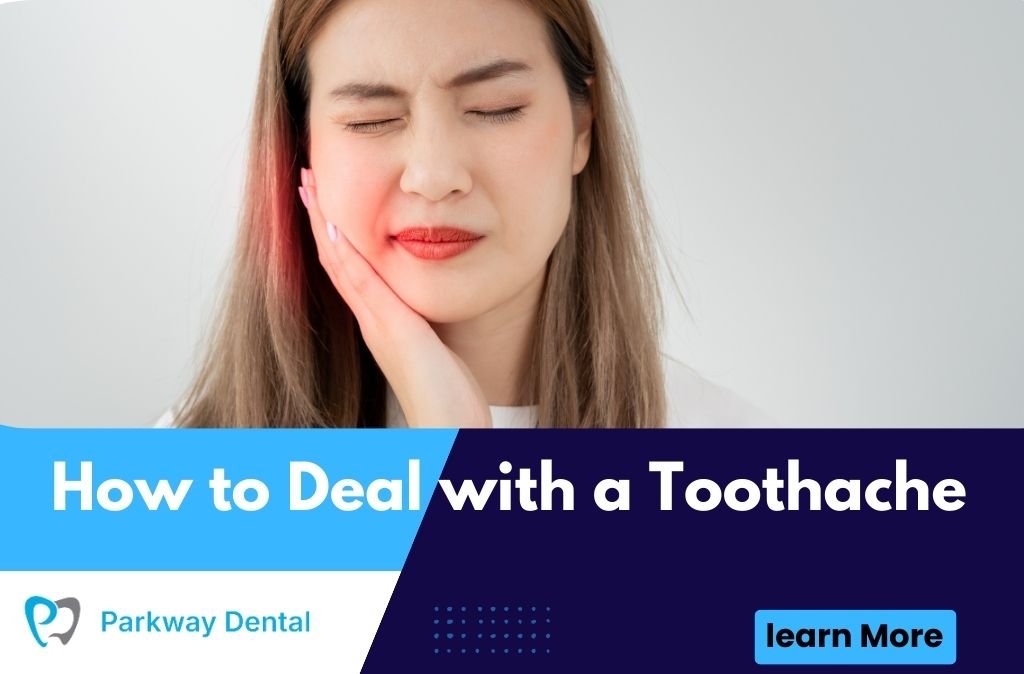
Tooth pain can show up suddenly and take over your entire day. It’s hard to focus, eat, or even sleep when your tooth is throbbing. Whether it’s a dull ache or sharp pain, knowing how to deal with a toothache early can make a big difference. In this guide, we’ll walk you through what causes toothaches, how to manage the pain, and when to seek help.
Understanding Toothaches: What Causes the Pain?
Before you treat a toothache, it’s important to understand why your tooth hurts in the first place.
Common Causes of Toothaches
The most common causes of a toothache include:
- Cavities (tooth decay)
- Gum disease
- Cracked or broken teeth
- Tooth abscess
- Damaged fillings
- Tooth grinding (bruxism)
- Sinus infections (can mimic tooth pain)
Each of these issues needs a different approach. That’s why it’s key to identify the root of the pain early.
Immediate Relief: What You Can Do at Home
If you’re in pain and can’t see a dentist right away, there are simple ways to ease the discomfort.
Use a Salt Water Rinse
A salt water rinse is a natural disinfectant. Mix 1/2 teaspoon of salt in warm water and swish it around for 30 seconds. It helps reduce inflammation and wash away food particles.
Apply a Cold Compress
If your face is swollen or the pain is intense, apply a cold compress to the outside of your cheek for 15 minutes at a time. This helps reduce swelling and numbs the area.
Take Over-the-Counter Pain Relief
Medications like ibuprofen or acetaminophen can help reduce inflammation and block pain signals. Don’t put aspirin directly on the tooth—it can damage your gum tissue.
Elevate Your Head
If you’re trying to sleep, prop your head up with pillows. Lying flat can increase the blood pressure in your head and worsen the pain.
Natural Remedies to Soothe Tooth Pain
Some people prefer natural toothache remedies for fast relief.
Clove Oil for Tooth Pain
Clove oil has a compound called eugenol, which has natural numbing and anti-inflammatory properties. Dab a small amount on a cotton ball and place it near the painful area.
Garlic Clove
Garlic is another natural remedy known for its antibacterial power. Crush a clove of garlic, mix with a pinch of salt, and apply it to the tooth.
Peppermint Tea Bags
Peppermint tea bags (cooled or slightly warm) can be placed directly on the tooth to ease pain. They also help soothe sore gums.
Avoid These Foods and Habits When You Have a Toothache
Certain things can make your pain worse. Knowing what to avoid is just as important as what to do.
Skip Sugary and Acidic Foods
Sugar and acid feed bacteria that cause tooth decay. Avoid sodas, sweets, citrus fruits, and anything sticky.
Don’t Chew on the Affected Side
If you’re eating, avoid using the painful side of your mouth. Stick to soft foods like soups, mashed potatoes, or smoothies.
Stop Smoking
Smoking slows healing and can make gum problems worse. It’s best to stop, especially during a dental issue.
When to See a Dentist for a Toothache
Some toothaches go away, but others are signs of serious problems. Don’t wait too long.
Signs You Need a Dentist Right Away
If you notice any of the following, contact a dental professional:
- Severe, sharp, or persistent pain
- Swelling in your face or jaw
- Fever and headache
- Foul-tasting discharge
- Bleeding or pus near the tooth
- Difficulty opening your mouth
These symptoms could mean an infection or abscess, which can spread if untreated.
Common Dental Treatments for Toothaches
Once you’re in the dental chair, your dentist will find the cause and treat it appropriately.
Filling or Restoration
If the pain is from a cavity, your dentist will clean the decay and seal the tooth with a filling.
Root Canal Therapy
If the infection has reached the nerve, a root canal is needed to save the tooth and remove the pain.
Tooth Extraction
In some cases, the tooth may be too damaged. A tooth extraction might be the only option to stop the pain.
Deep Cleaning for Gum Disease
If your gums are the issue, your dentist may recommend a deep cleaning to remove bacteria and plaque under the gums.
Preventing Future Toothaches
Once you’ve dealt with the pain, it’s time to focus on prevention.
Brush and Floss Daily
Brush your teeth twice a day and floss daily to remove plaque and food particles that lead to decay.
Use Fluoride Toothpaste
Fluoride strengthens your enamel and helps prevent cavities. Choose a toothpaste that contains fluoride for daily use.
Regular Dental Check-Ups
Visit your dentist every six months for cleanings and exams. Preventive care catches issues before they become painful.
Watch Your Diet
Eat a balanced diet low in sugar and starches. Crunchy fruits and veggies help clean teeth naturally.
How to Help a Child with a Toothache
When a child has tooth pain, it can be even more stressful. Here’s how to comfort them.
Check for Obvious Causes
Look for food stuck between teeth or signs of a loose baby tooth. Gently floss the area to clear debris.
Use Age-Safe Pain Relief
For kids, use children’s acetaminophen or ibuprofen based on their age and weight. Avoid giving aspirin.
Apply a Cold Pack
Wrap ice in a towel and apply it to their cheek for 10–15 minutes.
See a Pediatric Dentist
If pain lasts more than a day or there’s swelling, call a pediatric dentist.
The Role of Stress in Toothaches
Surprisingly, stress can contribute to oral pain.
Teeth Grinding and Jaw Clenching
When stressed, people often grind their teeth or clench their jaw, especially during sleep. This can lead to tooth sensitivity, cracked teeth, and sore jaws.
Get a Night Guard
If you grind your teeth, a custom night guard from your dentist can protect your enamel and reduce discomfort.
Conclusion
Toothaches are not just annoying—they can be signs of serious dental problems. At-home remedies can give temporary relief, but the real solution often comes from a professional.
If you’re dealing with constant or severe pain, it’s time to schedule a visit with a Dentist in West Roxbury, MA. Getting timely treatment can save your tooth and stop the pain for good.
FAQs
What is the best painkiller for a toothache?
Over-the-counter medications like ibuprofen or acetaminophen work well. Never place aspirin directly on the gums—it can cause burns.
Can a toothache go away on its own?
Minor pain may fade, but most toothaches are signs of deeper problems. It’s best to visit a dentist even if the pain reduces.
How do I sleep with a toothache?
Use a cold compress, take pain relievers, and keep your head elevated with extra pillows.
Is a warm or cold compress better for a toothache?
A cold compress is better for reducing inflammation and numbing sharp pain.
Can I use essential oils for a toothache?
Clove oil is the most effective. It has natural numbing properties and is safe when used carefully.
Should I brush my teeth if I have a toothache?
Yes, but do so gently. Avoid brushing too hard, especially near the painful area.
When should I go to the emergency dentist?
If you have swelling, fever, or intense pain that doesn’t improve, seek emergency dental care right away.