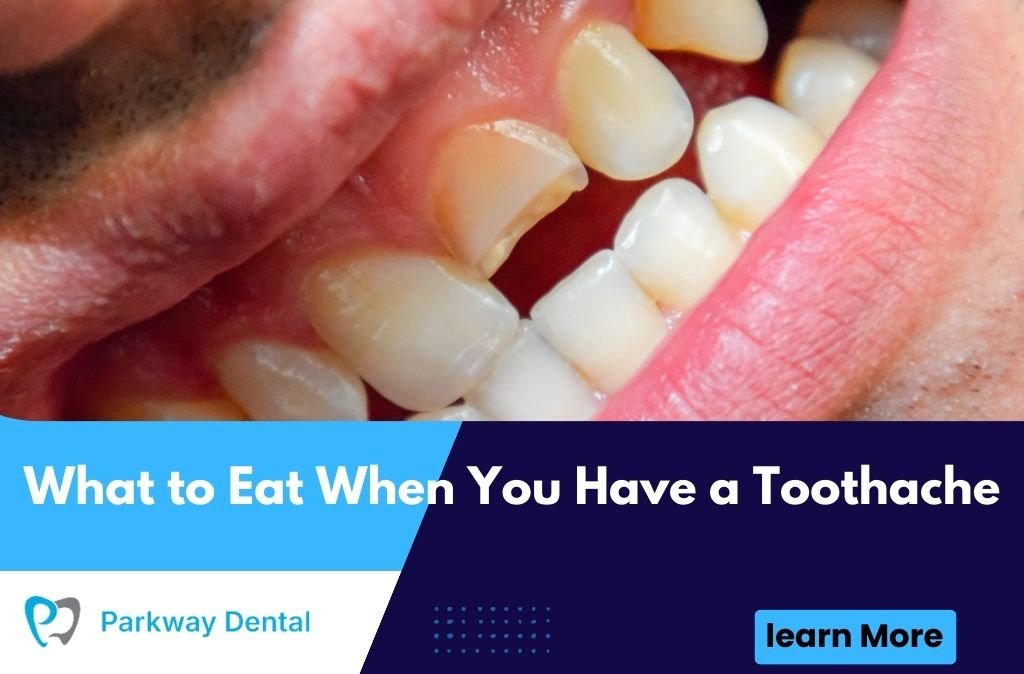
Dealing with a toothache can be one of the most uncomfortable and disruptive dental problems you will ever experience. The throbbing pain, sensitivity to temperature, and difficulty chewing can make mealtime a dreaded ordeal. When you are suffering from tooth pain, knowing what to eat with a toothache becomes essential not just for managing discomfort but also for maintaining proper nutrition while you wait for professional dental treatment.
The short answer: stick to soft, lukewarm foods that require minimal chewing. Yogurt, scrambled eggs, mashed potatoes, smooth soups, oatmeal, and well-cooked pasta are your best options. Avoid anything hard, crunchy, extremely hot or cold, acidic, sticky, or heavily spiced. The rest of this guide explains exactly why, and covers specific foods people ask about most, including rice, noodles, and ice cream.
While dietary adjustments provide temporary relief and help you function better during a painful episode, food choices do not address the underlying cause of your toothache. Professional dental care is essential for proper diagnosis and treatment. If you are in the West Roxbury area and need to be seen quickly, Parkway Dental offers same-day emergency appointments for tooth pain.
Table of Contents
Best Foods to Eat During a Toothache
When experiencing dental pain, choosing the right foods can make the difference between manageable discomfort and excruciating agony. Soft foods for tooth pain should be your primary focus: items that require little to no chewing, slide down easily, and do not stress your painful tooth or irritated tissues. These foods allow you to maintain adequate nutrition and energy levels without triggering additional pain or potentially damaging a compromised tooth further.
The ideal foods during a toothache are neutral in temperature (lukewarm or room temperature), smooth in texture without hard or crunchy components, bland or mildly flavored to avoid irritation, and nutrient-dense to support your body’s healing processes.
Smooth and Creamy Options
Yogurt and pudding are excellent choices because they require absolutely no chewing and can be consumed at a comfortable temperature. Plain yogurt provides protein, calcium, and probiotics that support overall health, though you should avoid varieties with fruit pieces or granola that could irritate sensitive areas. Greek yogurt offers even more protein, helping you feel satisfied longer.
Puddings, custards, and panna cotta provide comfort food satisfaction without requiring any chewing effort. Applesauce offers fruit nutrition in a completely smooth form, and you can choose unsweetened varieties to avoid excess sugar that might feed cavity-causing bacteria. Smooth ice cream or frozen yogurt can provide temporary numbing relief if temperature sensitivity is not your main trigger, though avoid flavors with nuts, candy pieces, or other hard mix-ins. (See the dedicated section below on ice cream specifically.)
Protein-Rich Soft Foods
Maintaining protein intake is important for overall health and healing. Scrambled eggs are ideal: soft, easy to eat, protein-rich, and can be made very moist by adding a little milk or cream. Eggs are also versatile and can be flavored mildly with cheese or herbs.
Tofu, when prepared soft, provides plant-based protein that requires minimal chewing and can absorb flavors from broths or mild sauces. Smooth nut butters spread on soft bread or stirred into oatmeal provide protein and healthy fats, though avoid chunky varieties. Refried beans or well-mashed regular beans offer protein and fiber in a soft, easy-to-eat form.
Soups and Broths
Warm (not hot) broth-based soups with soft vegetables like carrots, potatoes, and squash cooked until very tender provide nutrition and hydration. Cream soups like cream of mushroom, tomato bisque, or broccoli cheese offer smooth consistency and satisfying flavor. Pureed vegetable soups are excellent: butternut squash soup, sweet potato soup, or blended vegetable soup provide vitamins and minerals without any chunks to chew.
Always let soup cool to lukewarm temperature before eating to avoid triggering pain from heat sensitivity. If the temperature of soup is a concern, use a food thermometer to check it is not above 100 degrees Fahrenheit before eating.
Mashed and Pureed Vegetables
Mashed potatoes are a classic comfort food that is perfect for a toothache: soft, filling, and easy to make with butter and milk for added nutrition and flavor. Sweet potato mash offers similar benefits with more vitamins and natural sweetness.
Other excellent options include mashed cauliflower, pureed carrots, butternut squash puree, and well-cooked mashed green beans or peas. You can enhance flavor with a small amount of butter, mild seasoning, or gravy without adding texture that would cause problems.
Soft Grains and Starches
Oatmeal cooked until very soft can be enhanced with mashed banana, smooth nut butter, or a drizzle of honey. Cream of wheat or cream of rice cereals offer similar benefits with an even smoother texture. Well-cooked pasta with smooth sauce works well. Choose smaller pasta shapes and cook them longer than usual for extra softness. White rice cooked very soft can be mixed with broth or mild sauce to make it easier to swallow. (See the dedicated rice section below for more detail on this option.)
Specific Foods People Ask About: Rice, Noodles, Ice Cream, and More
Many people have questions about specific foods when they have a toothache. Here are direct answers to the most commonly asked questions from a dental perspective.
Can I eat rice with a toothache?
Yes, rice is generally safe to eat with a toothache as long as it is cooked soft and served lukewarm. Plain white rice cooked until it is slightly soft or even a bit overcooked is easier to eat than al dente rice. Avoid crunchy or crispy rice preparations entirely. Mixing soft rice with warm broth, mild curry, or dal makes it easier to swallow with minimal chewing. Do not eat rice that is very hot or that contains hard or crunchy ingredients. Fried rice with hard vegetables or nuts should be avoided during a toothache episode.
Can I eat noodles with a toothache?
Yes, soft noodles are one of the better options during a toothache. Noodles like ramen, udon, or well-cooked spaghetti require very little chewing and can be eaten lukewarm with a mild broth or sauce. Cook noodles a little longer than the package instructions suggest so they are softer. Avoid hard, crispy noodle preparations like chow mein or any noodle dish served with crunchy vegetables or hard toppings. If the sauce or broth is hot, let it cool before eating.
Is ice cream good for a toothache?
It depends on the type of toothache. If your pain is triggered by cold temperature (cold sensitivity is very common with toothaches), ice cream will likely make your pain significantly worse and should be avoided. If your pain is not temperature-sensitive and is more of a dull ache, ice cream served slightly softened (not straight from the freezer) can provide mild temporary numbing relief. Always choose smooth ice cream without nuts, candies, or mix-ins. In general, if you are unsure whether you have temperature sensitivity, it is safer to skip ice cream and choose room-temperature yogurt or pudding instead.
Can I eat bread with a toothache?
Soft bread is acceptable, but crusty bread, bagels, hard rolls, and toast should be strictly avoided. A slice of soft white sandwich bread or a soft dinner roll is fine, ideally paired with something that does not require extra chewing like a spread. Do not eat baguettes, focaccia, or any artisan bread with a hard crust, as biting into these can cause sharp pain and potentially damage a weakened tooth.
Can I eat eggs with a toothache?
Yes, eggs are one of the best foods to eat with a toothache. Scrambled eggs, poached eggs, or soft-boiled eggs require very little chewing and provide high-quality protein. Avoid hard-boiled eggs, as the texture requires more chewing effort. Omelets made with soft fillings like cheese and mild vegetables are also acceptable.
What to eat with a tooth infection specifically?
If your toothache is from a tooth infection (you may notice swelling, a bad taste in your mouth, a gum boil, or fever), your dietary priorities shift slightly. Focus on protein-rich soft foods to support immune function: yogurt, scrambled eggs, smooth nut butter, soft beans, and mild soups. Avoid sugar entirely, as sugar feeds bacteria and can worsen an active infection. Avoid alcohol, which can interact with antibiotics if you have been prescribed them. Drink plenty of fluids. Note that a tooth infection is a dental emergency that requires professional treatment. Dietary changes do not treat an infection. If you have signs of infection, contact us or see an emergency dentist the same day. You can also read our guide on signs you may have a dental abscess or tooth infection to understand when infection may be the cause of your pain.
What to Drink with a Toothache
Hydration is essential during any painful episode, but drinking with tooth pain requires adjustments.
Water at room temperature is the safest and best choice. Cold water can trigger sharp pain if your tooth has temperature sensitivity, and hot water or tea can do the same for heat sensitivity. Still water is better than sparkling, as carbonated beverages are slightly acidic and the bubbles can irritate exposed nerves and sensitive tissues.
Herbal tea cooled to room temperature is a good option. Chamomile tea in particular has mild anti-inflammatory properties according to research published by the National Institutes of Health. Avoid drinking it hot.
Coffee should be avoided during a toothache. Coffee is acidic and typically served very hot, both of which can worsen pain. Cold brew coffee is less acidic but still potentially temperature-problematic if served cold.
Alcohol should be avoided entirely during a toothache, especially if you suspect infection or are taking antibiotics. Alcohol increases blood flow, which can intensify throbbing pain, and it can interact with medications.
Sodas and fruit juices should be avoided. Both are acidic and most are very cold when consumed. The acid erodes tooth enamel and irritates exposed nerves, and the sugar feeds bacteria in any existing cavities or infection.
Smoothies made with soft fruits (banana, mango, peach), yogurt, and no ice are acceptable. Let them reach close to room temperature before drinking.
Do not use straws if you have had a recent tooth extraction alongside your toothache. The suction can disrupt the healing blood clot and cause dry socket, which is painful on its own. You can read more about dry socket in our guide on how to handle a dry socket after tooth extraction.
Foods to Avoid When You Have Tooth Pain
Understanding foods to avoid with a toothache is just as important as knowing what to eat. Certain foods can significantly worsen your pain, damage a weakened tooth, or introduce bacteria that could complicate an existing infection.
Hard and Crunchy Foods
Hard foods like nuts, hard candies, popcorn kernels, raw carrots or apples, crackers and chips, crusty bread or bagels, and hard pretzels require forceful chewing that can cause intense pain. These foods can also break a weakened tooth, dislodge a filling, or get stuck in cavities or between teeth, causing additional irritation. Even if you think you can chew carefully on the opposite side of your mouth, the risk is not worth it. Save these foods for after your dental treatment is complete.
Temperature Extreme Foods
Very hot foods and beverages like steaming coffee, freshly cooked foods straight from the stove, and hot soups can trigger sharp, shooting pain. Very cold items like ice water, frozen treats, and cold smoothies can cause intense discomfort when exposed nerves react to temperature changes.
The solution is consuming all foods and beverages at lukewarm or room temperature. Let hot items cool before eating, and allow cold items to warm slightly.
Sugary and Acidic Foods
Sugary foods feed the bacteria causing tooth decay, potentially worsening cavities or infections. Sticky, sugary foods like caramel, taffy, gummy candies, and dried fruit can stick in cavities, creating prolonged bacterial activity. Acidic foods including citrus fruits and juices, tomatoes and tomato sauce, vinegar-based dressings, and wine can irritate exposed tooth nerves and sensitive tissues, causing sharp pain and eroding already compromised tooth structure. The American Dental Association specifically recommends limiting acidic foods during periods of dental sensitivity.
Chewy and Sticky Foods
Chewy foods require repetitive, forceful jaw movements that stress painful teeth. Sticky foods can pull on weakened teeth, get stuck in cavities or around dental work, and require extra effort to remove. Avoid tough meats like steak, chewy breads like bagels or pizza crust, sticky candies and dried fruits, chewing gum, and thick peanut butter. These foods can also dislodge temporary fillings if you have had recent dental work.
Spicy and Heavily Seasoned Foods
Spicy foods often increase discomfort rather than numbing it. Hot peppers, curry, heavily spiced foods, and even excess black pepper can irritate inflamed gum tissue, exposed nerves, or infection sites, causing burning sensations that compound your toothache. Stick with bland or mildly seasoned foods during your toothache episode.
Practical Eating Strategies for Tooth Pain Management
Beyond choosing the right foods, employing smart eating strategies can further minimize discomfort. How you eat is nearly as important as what you eat when dealing with dental pain.
Chew on the Opposite Side
If your tooth pain is localized to one side of your mouth, chewing on the opposite side keeps pressure away from the painful tooth. This requires conscious attention since we often chew without thinking. Place food on the pain-free side with your tongue, chew slowly and deliberately, and stay focused on your eating rather than being distracted by conversation or screens.
Eat Smaller, More Frequent Meals
Rather than forcing yourself through three full meals, eating smaller portions more frequently can be easier on your painful mouth. Plan for five or six small meals or substantial snacks throughout the day rather than three large meals. This approach also helps maintain your blood sugar levels and energy while dealing with the stress of tooth pain.
Use Proper Temperature Control
Lukewarm is the safest temperature range for eating with a toothache. Test everything before eating. Let hot foods cool, let cold foods warm toward room temperature. Some people find using a food thermometer helpful to confirm their meals are at a comfortable temperature. Waiting a few extra minutes before eating is worth it for the reduction in pain.
Stay Hydrated Properly
Drink water at room temperature throughout the day. Adequate hydration supports your immune system and helps your body respond to infection if one is present. Proper hydration also helps wash away food particles and bacteria that might accumulate around your painful tooth.
Practice Gentle Oral Hygiene
Even with tooth pain, maintaining oral hygiene is crucial. Use a soft-bristled toothbrush with gentle circular motions, brush carefully around the painful area without applying excessive pressure, rinse with lukewarm water, and continue flossing other areas of your mouth while being extremely careful near the sensitive tooth. Keeping your mouth clean prevents additional bacterial accumulation that could worsen your condition.
Temporary Pain Relief Measures
While waiting for your dental appointment, several home measures can provide temporary comfort. These do not fix the underlying problem but help you manage pain until you receive professional treatment. If pain becomes severe, persists despite home care, or is accompanied by fever or facial swelling, seek immediate dental care rather than relying on home remedies.
For more detail on managing severe tooth pain at night specifically, see our guide on how to stop tooth pain fast.
Over-the-Counter Pain Relievers
Ibuprofen (Advil, Motrin) reduces both pain and inflammation, making it particularly effective for dental pain. Take 400 to 600mg every 6 to 8 hours with food, not exceeding 2,400mg daily. Acetaminophen (Tylenol) provides pain relief without anti-inflammatory effects and is appropriate if you cannot take NSAIDs due to stomach problems, kidney disease, or blood-thinning medications. Some people find alternating ibuprofen and acetaminophen every 3 hours provides more consistent pain control, but consult your dentist or physician before combining medications. Take pain relievers with food to minimize stomach upset.
Cold Compress Application
Applying a cold compress to the outside of your cheek near the painful tooth reduces inflammation, temporarily numbs nerve endings, and can decrease swelling. Use a cold pack or ice wrapped in a thin towel, never apply ice directly to your skin. Apply for 15 to 20 minutes, remove for 20 minutes, then reapply. Many people find cold compresses particularly helpful at night when tooth pain often feels more intense.
Saltwater Rinses
Dissolve half a teaspoon of salt in 8 ounces of lukewarm water and gently swish for 30 seconds before spitting out. Never use hot or cold water. Repeat several times daily, especially after eating to remove food particles. Saltwater creates an inhospitable environment for bacteria and can help reduce swelling in inflamed gum tissue.
Clove Oil Application
Clove oil contains eugenol, a natural anesthetic and antibacterial compound used for dental pain relief for centuries. Dilute one or two drops in a carrier oil like olive oil, apply a small amount to a cotton ball, and hold gently against the painful tooth for a few minutes. Undiluted clove oil can irritate tissues, so always dilute it first. Clove oil provides temporary relief but does not address the underlying problem.
Elevate Your Head While Sleeping
Lying flat increases blood flow to your head, which can intensify throbbing tooth pain. Elevating your head using extra pillows or sleeping in a recliner reduces this pressure and can help minimize nighttime pain that often disrupts sleep. Combining head elevation with pain medication taken before bed and a cold compress can help you get needed rest despite dental pain.
When to Seek Immediate Dental Care
Dietary adjustments and home remedies help manage tooth pain temporarily, but certain situations require immediate dental attention. Dental infections can become serious quickly if left untreated.
Seek immediate care if you experience severe, unmanageable pain that does not respond to over-the-counter medication, significant facial swelling that affects your eye, your ability to swallow, or your ability to breathe, fever above 101 degrees Fahrenheit accompanying tooth pain, a foul taste or visible pus drainage from the affected area, or tooth trauma from injury or accident.
These symptoms can indicate serious infection that might spread to other parts of your body if left untreated. Dental abscesses require prompt professional treatment and will not resolve on their own. For a full guide on recognizing when facial swelling from a tooth problem becomes life-threatening, read our blog on is face swelling a dental emergency.
If your toothache persists for more than a day or two despite home care measures, or if pain intensifies rather than improving, schedule a dental appointment at Parkway Dental promptly. Persistent tooth pain indicates an underlying problem that requires professional diagnosis and treatment.
Conclusion
Knowing what to eat when you have a toothache can significantly improve your comfort and help you maintain proper nutrition while waiting for professional dental treatment. Focus on soft, lukewarm foods that require minimal chewing: yogurt, scrambled eggs, mashed potatoes, smooth soups, soft rice, soft noodles, and well-cooked pasta allow you to nourish your body without aggravating your painful tooth. Equally important is avoiding hard, crunchy, extremely hot or cold, sugary, acidic, and spicy foods that can worsen pain or damage a compromised tooth further.
Remember that dietary adjustments and home remedies provide only temporary symptom relief. They do not address the underlying cause of your toothache. Professional dental care is essential for proper diagnosis and treatment. Whether your pain stems from a cavity, infection, gum disease, cracked tooth, or another dental issue, your dentist can identify the problem and provide appropriate treatment to resolve it permanently.
If you are in the West Roxbury or greater Boston area and are experiencing tooth pain, contact Parkway Dental for same-day or next-day emergency appointments. Do not wait for a toothache to become a more serious dental emergency.
Frequently Asked Questions
What should I eat during a toothache?
The best foods to eat with a toothache are soft and lukewarm: yogurt, pudding, scrambled eggs, mashed potatoes, smooth soups, soft-cooked rice, soft noodles, oatmeal, and applesauce. These require minimal chewing and do not stress your painful tooth or inflamed tissues. Avoid hard, crunchy, very hot, very cold, sticky, acidic, or heavily spiced foods.
What is the 3-3-3 rule for dental pain?
The 3-3-3 rule for dental pain is a guideline for knowing when to seek professional care. It states that if your dental pain persists for 3 days, is severe enough to wake you up 3 or more times at night, or requires 3 or more doses of pain medication within a short period without providing adequate relief, you should seek a professional dental evaluation rather than continuing with home remedies.
How do I calm a toothache fast?
Take ibuprofen as directed, rinse gently with warm saltwater, apply a cold compress wrapped in a cloth to your cheek for 15 to 20 minutes, and keep your head elevated if lying down. Apply diluted clove oil to the affected area for additional numbing. These measures provide temporary relief. Professional dental treatment is necessary for lasting resolution.
What can I drink with a toothache?
Room-temperature water is the safest choice. Herbal tea cooled to room temperature is also good. Avoid very hot or very cold beverages, coffee (acidic and typically hot), alcohol, soda, and fruit juice (both acidic). A lukewarm smoothie made with soft fruit and yogurt without ice is also acceptable.
What should I avoid eating with a toothache?
Avoid hard and crunchy foods (nuts, chips, raw vegetables, crusty bread), extremely hot or cold items, sugary and sticky foods (candy, dried fruit, caramel), acidic foods (citrus, tomatoes, vinegar), chewy foods (tough meats, bagels, chewing gum), and heavily spiced or spicy dishes. All of these can worsen pain or potentially damage a compromised tooth.
How do I relieve tooth nerve pain while pregnant?
Pregnant women should use acetaminophen (Tylenol) rather than ibuprofen for pain relief, rinse with warm saltwater, apply cold compresses to the cheek, and eat only soft, lukewarm foods. Contact both your dentist and obstetrician for guidance on safe treatment options. Many dental procedures are safe during pregnancy with appropriate precautions, and leaving a dental infection untreated during pregnancy carries greater risks than treating it. Do not delay professional care.
How do I stop nerve pain in a tooth at night?
Elevate your head with extra pillows to reduce blood pressure to the area, take pain medication before bed as directed, rinse with warm saltwater, apply a cold compress wrapped in a cloth to your cheek, and avoid lying on the painful side. If you have diluted clove oil, a small amount applied to the painful area can provide additional numbing. If nighttime tooth pain is severe enough to consistently disrupt your sleep, this is a signal to seek professional dental care the next morning rather than continuing to manage it at home.
Can eating the wrong foods make a toothache worse?
Yes, significantly. Hard or crunchy foods can fracture a weakened tooth or dislodge an existing filling. Very hot or cold foods trigger sharp nerve pain if you have temperature sensitivity. Sugary foods feed bacteria in existing cavities or infections. Acidic foods erode compromised enamel and irritate exposed nerves. The wrong food choices during a toothache can turn a manageable discomfort into an acute pain episode and potentially accelerate damage to the affected tooth.
What to eat the night of a toothache when you cannot see a dentist until tomorrow?
Choose the softest, most nutrition-dense options you have available: smooth yogurt, scrambled eggs, mashed potatoes, a warm (not hot) soup or broth, soft-cooked rice or noodles, or a banana. Eat lukewarm or room-temperature foods only. Take ibuprofen as directed with your meal. After eating, rinse gently with warm saltwater. Elevate your head when sleeping and apply a cold compress if throbbing is keeping you awake. Call your dentist first thing the next morning to secure an appointment as early as possible.