Keeping your teeth healthy means staying ahead of problems before they start. One of the easiest and most effective ways to protect your teeth from cavities is with dental sealants. They’re simple, pain-free, and act as a strong barrier against decay. In this article, we’ll break down the benefits of dental sealants, how they work, who should get them, and why they’re a smart part of your dental care routine.
What Are Dental Sealants?
Dental sealants are thin, protective coatings applied to the chewing surfaces of the back teeth, especially the molars and premolars. These areas have deep grooves where food and bacteria easily collect. Sealants fill in these grooves and prevent plaque buildup.
How Dental Sealants Work
Once applied, sealants form a shield over the enamel, keeping out harmful acids and bacteria. They make the surface of the tooth smoother and easier to clean. Think of them as raincoats for your teeth.
What They’re Made Of
Sealants are usually made from safe plastic resins. Some may contain fluoride, which offers added protection by helping strengthen the enamel.
Why Are Dental Sealants Important?
Cavities often start in the back teeth, where it’s harder to brush and clean properly. Dental sealants offer early protection, reducing the risk of cavities before they form.
Protecting Against Tooth Decay
Tooth decay begins when bacteria feed on leftover food particles and release acids. These acids eat away at the enamel, leading to cavities. Sealants act as a barrier, preventing food and bacteria from getting into hard-to-clean grooves.
Reducing Long-Term Dental Costs
By preventing cavities early, dental sealants can save you money in the long run. You’ll reduce the need for fillings, crowns, or root canals.
Who Should Get Dental Sealants?
While anyone can benefit, dental sealants are most commonly applied to children and teens.
Best Age for Dental Sealants
Sealants are usually placed on permanent molars shortly after they come in, typically around age 6 for first molars and age 12 for second molars. Applying sealants at this age can prevent decay during the most cavity-prone years.
Adults Can Get Sealants Too
Yes, adults can also benefit! If your teeth are healthy and don’t have fillings in the molars, dental sealants can still be applied.
High-Risk Groups
People with deep grooves in their teeth, a history of cavities, or limited access to dental care are excellent candidates for sealants.
Applying Dental Sealants: The Procedure
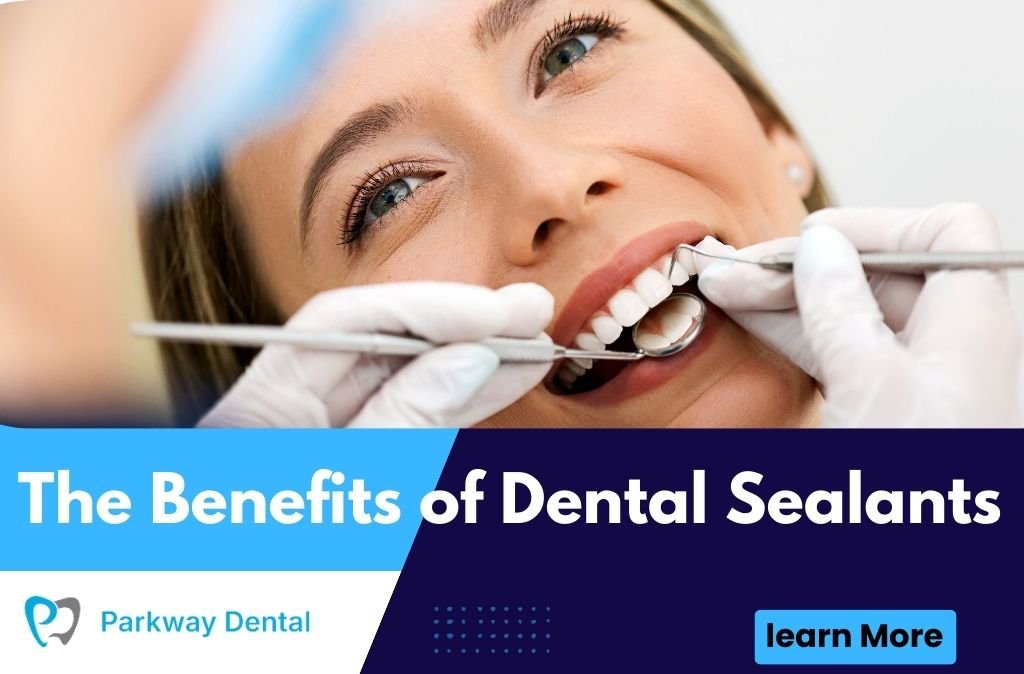
The process of applying sealants is quick and non-invasive. No drilling. No pain. No shots.
Step-by-Step Process
- Cleaning – The tooth is cleaned thoroughly to remove any plaque or food particles.
- Drying – The tooth is dried, and a cotton roll is placed to keep it dry.
- Etching – A special gel is applied to roughen the surface for better sealant bonding.
- Rinsing and Drying – The gel is rinsed off, and the tooth is dried again.
- Applying the Sealant – The sealant is painted onto the grooves.
- Curing – A special light hardens the sealant in seconds.
How Long Does It Take?
The whole process takes just a few minutes per tooth, making it one of the fastest preventive treatments in dentistry.
How Long Do Dental Sealants Last?
Dental sealants are durable and designed to last.
Lifespan of Sealants
Most sealants last 5 to 10 years, but they can wear down over time. Your dentist will check them during regular visits.
Maintenance
If a sealant is damaged or falls off, it can easily be replaced. This helps keep the tooth protected for years to come.
Are Dental Sealants Safe?
Yes. Dental sealants are safe and approved by dental associations around the world.
BPA in Sealants
Some people worry about BPA in plastics. The amount of BPA in dental sealants is extremely low—lower than what you’re exposed to from handling receipts or drinking from plastic bottles. It’s safe for kids and adults.
Minimal Side Effects
Most people experience no side effects. Rarely, someone may be allergic to a component, but this is very uncommon.
Sealants vs. Fluoride: What’s the Difference?
While both help prevent cavities, they work differently.
How They Complement Each Other
- Fluoride strengthens tooth enamel and works on all tooth surfaces.
- Sealants provide a physical barrier on the chewing surfaces.
Using both gives your teeth double protection against decay.
Cost of Dental Sealants
Dental sealants are relatively affordable, especially considering the cost of future dental work they help prevent.
Cost Per Tooth
Sealants usually cost less than a filling, ranging per tooth depending on your dentist and location.
Insurance Coverage
Many dental insurance plans cover sealants for children and teens. Some also offer partial coverage for adults.
Dental Sealants for Kids: A Smart Start
Cavities are one of the most common childhood diseases. Dental sealants give kids an early advantage.
Building Confidence
Healthy teeth mean confident smiles. Kids with protected teeth are more likely to avoid cavities and keep their natural teeth longer.
Easy to Apply, Easy to Maintain
Because the process is fast and painless, it’s a great introduction to positive dental care experiences.
Common Myths About Dental Sealants
Myth: Sealants are only for kids
Truth: Adults can benefit too, especially if they have cavity-prone molars.
Myth: Sealants are painful
Truth: The procedure is non-invasive and completely pain-free.
Myth: Sealants don’t last long
Truth: With good care, they can last up to a decade.
Maintaining Sealants and Good Oral Health
Sealants don’t replace brushing, flossing, or healthy eating. They work best as part of a complete oral care plan.
Tips for Long-Lasting Sealants
- Brush twice a day with fluoride toothpaste
- Floss daily to remove plaque between teeth
- Visit your dentist every six months
- Avoid chewing on hard foods or ice
Watch for Wear
Have your dentist check your sealants during cleanings. Small chips or cracks can be repaired easily.
Dental Sealants and Cavity Prevention
Studies show that dental sealants can reduce the risk of cavities in molars by nearly 80%.
Sealing the Right Teeth
Molars and premolars are the most at risk. Even if you brush well, their grooves are tough to clean completely.
Long-Term Protection
Sealants protect during the most cavity-prone years, especially childhood through the teenage years.
Sealants and Overall Health
Cavities can lead to infections, pain, and missed school or work. Sealants help prevent those issues before they start.
A Preventive Approach
Preventive dental care leads to better overall health, lower medical costs, and a more confident smile.
Conclusion
Dental sealants are a smart, simple, and cost-effective way to protect your teeth or your child’s teeth from cavities. They work best when applied early but can benefit adults too. With no pain, low cost, and long-lasting results, they’re one of the best preventive tools in dentistry. If you or your child are ready for extra protection, visit a trusted Dentist in West Roxbury, MA and take the first step toward a cavity-free future.
FAQs
Are dental sealants really necessary?
If you have deep grooves in your molars or a history of cavities, sealants can help prevent future decay.
Do dental sealants hurt?
No. The procedure is quick and pain-free with no need for numbing or drilling.
How often should sealants be checked?
Your dentist should check them at each cleaning to ensure they’re intact and still protecting your teeth.
Can I eat after getting sealants?
Yes, you can eat right away. Just avoid hard or sticky foods for a few hours.
Do sealants look natural?
Sealants are usually clear or white and blend in with the tooth, so they’re barely noticeable.
What if a sealant falls off?
Your dentist can easily reapply it. It’s a simple fix during your regular visit.
Are sealants safe for kids?
Yes, sealants are safe and highly recommended for children to prevent cavities.
Can adults get sealants too?
Absolutely. As long as the tooth is healthy and cavity-free, sealants can be applied to adults.