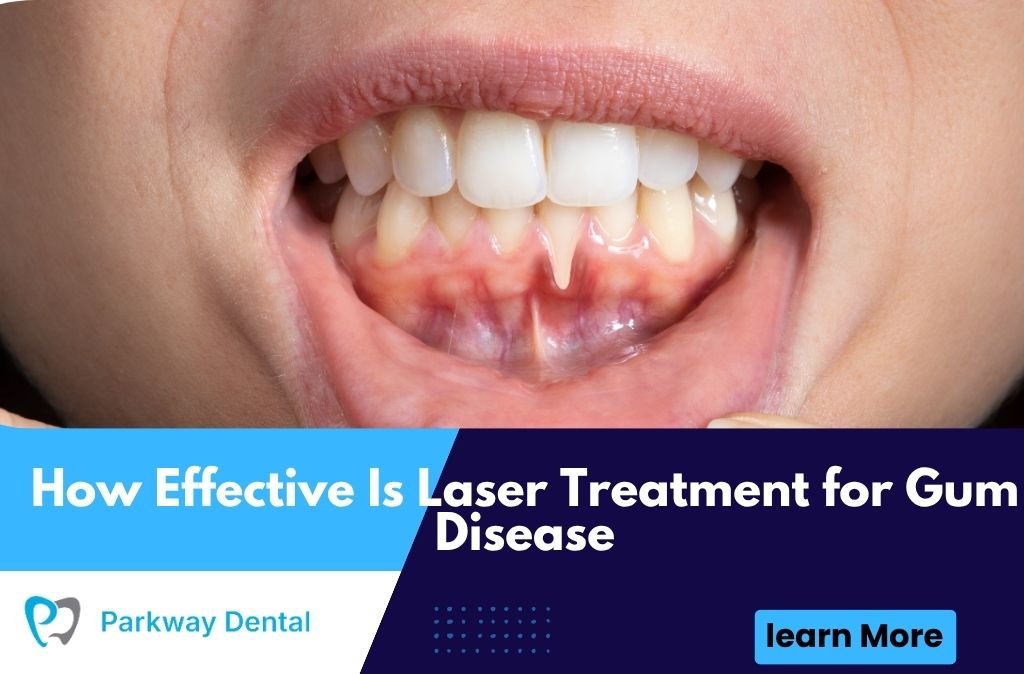
Laser therapy has become a leading option for treating gum disease, offering precision, comfort, and faster results compared to traditional surgery. This guide explores how laser treatment works, its benefits, risks, and success rates—helping you decide if it’s the right option for your oral health needs.
What Is Laser Treatment for Gum Disease?
Laser treatment for gum disease uses focused light energy to remove infected tissue and bacteria from gum pockets—helping the gums heal and reattach naturally to the teeth. It’s a minimally invasive approach designed to restore gum health with less discomfort.
Types of Dental Lasers Used
Soft‑tissue lasers like diode, Nd:YAG, and CO₂ lasers are commonly used. They target diseased gum tissue without harming healthy tissue, reduce bleeding, and kill bacteria in periodontal pockets more effectively than scaling alone.
How the Procedure Actually Works
During treatment, the dentist directs the laser beam into pockets to remove infected cells, disinfect the area, and stimulate gum attachment. Often no cutting or sutures are needed. This speeds healing and reduces pain compared to traditional flap surgery.
Benefits of Laser Gum Therapy Compared to Traditional Surgery
Laser treatment brings many notable benefits over older surgical methods for treating periodontitis.
Less Pain and Faster Healing
Because lasers “cauterize” through tissues, there’s minimal bleeding, reduced swelling, and often no need for stitches. Most patients experience significantly less discomfort and return to normal activities within days.
Precision Without Removing Healthy Tissue
Lasers remove only the diseased cells, leaving healthy gum tissue intact. This preserves natural anatomy, promotes better healing, and maintains aesthetic appearance—especially valuable around the front teeth.
Is Laser Treatment Effective Long Term?
Studies show positive results—but success depends on proper use and follow-up care.
Clinical Research and Success Rates
Research indicates laser periodontal therapy can reduce pocket depth by several millimeters, lower inflammation, and encourage gum reattachment. When paired with good oral hygiene, outcomes can be comparable to traditional surgery.
Long-Term Maintenance Essentials
Laser therapy isn’t a standalone cure; ongoing home care, regular dental cleanings, and monitoring are essential. With proper maintenance, the benefits can last for years.
Candidacy: Who Is the Right Fit for Laser Gum Treatments?
Not all gum disease cases qualify for laser therapy—evaluation by a qualified dentist clears the path to the right treatment.
Who Benefits Most from Laser Treatment
Patients with early to moderate periodontitis (pocket depths of 4–6 mm), no severe bone loss, and good overall oral health tend to respond best. Laser is ideal when nonsurgical therapy alone isn’t enough.
When Traditional Gum Surgery Is Still Needed
Advanced cases with significant bone loss, very deep pockets, or persistent infection may need flap procedures, bone grafts, or tissue regeneration—where lasers alone are insufficient.
Cost Considerations and Value
Laser treatment costs tend to be higher upfront—but value is delivered in recovery time and outcomes.
What Laser Gum Treatment May Cost
Procedures typically range from $300 to $800 per quadrant, depending on clinic, case complexity, and equipment used. While traditional cleaning is cheaper, lasers may reduce follow‑up visits and enhance long-term results.
Long-Term Value vs Short-Term Savings
Patients often save future costs thanks to improved healing, less damage to gum tissue, and fewer invasive procedures—particularly if they maintain consistent care afterward.
Post-Laser Treatment Recovery and Aftercare
After receiving laser gum therapy, most patients report less discomfort, minimal downtime, and quick healing. Still, post-care is essential for long-lasting results.
What to Expect After the Procedure
Mild soreness, tenderness, or slight swelling may occur for a day or two. Unlike traditional surgery, there’s rarely any bleeding or stitches involved. You can usually resume normal activities within 24–48 hours.
Aftercare Guidelines for Faster Healing
Avoid hot or spicy foods, smoking, and alcohol for 48 hours. Stick to soft foods and follow your dentist’s cleaning instructions. Rinse with an antibacterial mouthwash and use a soft-bristled toothbrush.
Can Laser Treatment Reverse Gum Disease Completely?
Laser treatment for gum disease is highly effective, but it’s not a miracle cure. Like all dental care, it works best with routine follow-up and lifestyle changes.
How Laser Helps Halt Disease Progression
Laser therapy removes infected tissue, kills bacteria, and triggers healing. While it can’t reverse all bone loss, it can regenerate attachment and stop the disease from advancing.
What It Can’t Fix Without Additional Help
In severe cases where bone loss is advanced, additional procedures like bone grafts or tissue regeneration may still be needed to fully restore structure.
Real Patient Outcomes and Testimonials
Many patients who have undergone laser periodontal therapy report a positive experience with both the procedure and the long-term results.
Common Benefits Shared by Patients
- Minimal discomfort during and after treatment
- Shorter recovery time
- Cleaner breath and reduced bleeding during brushing
- Better gum reattachment and pocket reduction
Patient Satisfaction and Smile Confidence
Patients often feel more confident knowing they’ve taken a major step toward restoring their oral health—without going through invasive surgery.
Combining Laser Therapy with Other Dental Treatments
Dentists may recommend laser gum treatment as part of a broader oral health plan—especially for patients with overlapping concerns.
Deep Cleaning and Scaling + Laser
Scaling and root planing often go hand-in-hand with laser. The mechanical cleaning removes hardened plaque, while the laser sanitizes and promotes healing.
Cosmetic Dentistry After Gum Stabilization
Once your gum health is restored, your dentist may suggest teeth whitening, veneers, or bonding to complete your smile transformation.
Conclusion
So, how effective is laser treatment for gum disease? In many cases, it offers a powerful and comfortable solution that stops infection, stimulates healing, and helps you avoid traditional gum surgery. With less downtime, less pain, and excellent clinical results, laser therapy is a modern tool for restoring gum health and keeping your teeth for life.
If you’re considering a safe, advanced treatment for gum disease, speak to a trusted Dentist in West Roxbury, MA about laser periodontal therapy. It could be the answer your smile—and your gums—have been waiting for.
FAQs
Is laser treatment really better than traditional gum surgery?
For many patients, yes. Laser therapy is less invasive, more comfortable, and has a faster recovery time. However, very advanced cases may still need surgery.
How long does the procedure take?
Most sessions take 30 to 60 minutes per quadrant. The number of visits depends on the severity of the gum disease and the number of areas treated.
Is laser treatment painful?
The procedure is typically pain-free or mildly uncomfortable. Dentists use local anesthetic, and lasers seal blood vessels and nerves to reduce inflammation.
Will I need follow-up treatments?
Most patients will need periodic maintenance cleanings and checkups every 3–4 months to ensure gums stay healthy after the laser procedure.
How much does laser gum therapy cost?
Prices range from $300 to $800 per quadrant, depending on the clinic and treatment complexity. Some dental insurance plans may partially cover it.
Does laser therapy grow back gums?
While it doesn’t “grow back” gums, it can stimulate gum reattachment and improve tissue health, reducing pocket depth and improving stability.
Is laser treatment safe?
Yes. When performed by a licensed professional, laser periodontal therapy is extremely safe and approved by the FDA for soft tissue use.
Can I eat normally after the procedure?
Stick to soft, cool foods for the first 24–48 hours. Avoid spicy, crunchy, or sticky foods until your dentist gives the all-clear.
Can it cure gum disease permanently?
It can halt the progression of gum disease. But without proper home care and regular cleanings, the disease may return.
Who should avoid laser gum treatment?
Patients with severe periodontal disease, uncontrolled diabetes, or certain medical conditions may need alternative treatments. A consultation is the best way to know.