Gum disease, also known as periodontal disease, is one of the most common oral health problems affecting adults worldwide. This progressive condition can range from mild gingivitis to severe periodontitis that can lead to tooth loss. Understanding the symptoms, causes, and treatment options is crucial for maintaining healthy gums and teeth.
What Is Gum Disease?
Gum disease is an inflammatory condition that affects the gums and supporting structures of your teeth. It begins with bacterial plaque buildup along the gum line and can progress to affect the periodontal ligament and alveolar bone that support your teeth.
The Progression of Gum Disease
Gum disease typically progresses through several stages, each with increasing severity and potential for permanent damage.
Gingivitis: The Early Stage
Gingivitis is the mildest form of gum disease and affects only the gums. At this stage, the gums become red, swollen, and may bleed easily during brushing or flossing. The good news is that gingivitis is completely reversible with proper oral hygiene and professional dental care.
Periodontitis: Advanced Gum Disease
When gingivitis is left untreated, it can progress to periodontitis. This more serious condition affects not just the gums but also the periodontal ligament and bone that support your teeth. Periodontitis can lead to tooth mobility, tooth loss, and other serious health complications.
Severe Periodontitis
In its most advanced stage, severe periodontitis involves significant bone loss, deep periodontal pockets, and often tooth loss. At this stage, treatment becomes more complex and expensive, and some damage may be irreversible.
Causes of Gum Disease
Understanding what causes gum disease is essential for effective prevention and treatment.
Bacterial Plaque: The Primary Culprit
Bacterial plaque is the sticky film of bacteria that constantly forms on your teeth. When plaque isn’t removed through regular brushing and flossing, it hardens into tartar (calculus), which can only be removed by a dental professional.
How Bacteria Cause Inflammation
The bacteria in plaque produce toxins that irritate the gums, causing inflammation. Your body’s immune response to these toxins actually contributes to the tissue destruction seen in gum disease. This inflammatory process can damage gum tissue, periodontal ligaments, and bone.
Biofilm Formation
Plaque isn’t just a collection of loose bacteria – it’s an organized biofilm that provides protection for the bacteria inside. This biofilm structure makes the bacteria more resistant to antimicrobial treatments and your body’s natural defenses.
Risk Factors for Gum Disease
While bacterial plaque is the primary cause, several risk factors can increase your likelihood of developing gum disease.
Poor Oral Hygiene
Inadequate brushing and flossing allows plaque and tartar to accumulate, creating ideal conditions for harmful bacteria to thrive.
Smoking and Tobacco Use
Smoking is one of the most significant risk factors for gum disease. Tobacco use reduces blood flow to the gums, impairs healing, and makes infections more likely and more severe.
Genetics
Your genetic makeup can influence your susceptibility to gum disease. Some people are naturally more prone to aggressive forms of periodontal disease despite good oral hygiene.
Medical Conditions
Certain medical conditions increase your risk of gum disease, including:
- Diabetes (especially poorly controlled)
- Heart disease
- Autoimmune disorders
- HIV/AIDS
- Osteoporosis
Medications
Some medications can affect your oral health by reducing saliva production or causing gum overgrowth. These include certain blood pressure medications, antihistamines, and immunosuppressive drugs.
Hormonal Changes
Hormonal fluctuations during pregnancy, menstruation, and menopause can make gums more sensitive and susceptible to inflammation.
Symptoms of Gum Disease
Recognizing the early signs of gum disease is crucial for getting prompt treatment and preventing progression.
Early Warning Signs
Gum disease often develops gradually, and early symptoms may be subtle. Being aware of these warning signs can help you seek treatment before the condition becomes severe.
Bleeding Gums
Bleeding gums during brushing or flossing is often the first sign of gum disease. Healthy gums should not bleed with gentle care. While occasional bleeding might not be cause for alarm, persistent bleeding indicates inflammation.
Red, Swollen Gums
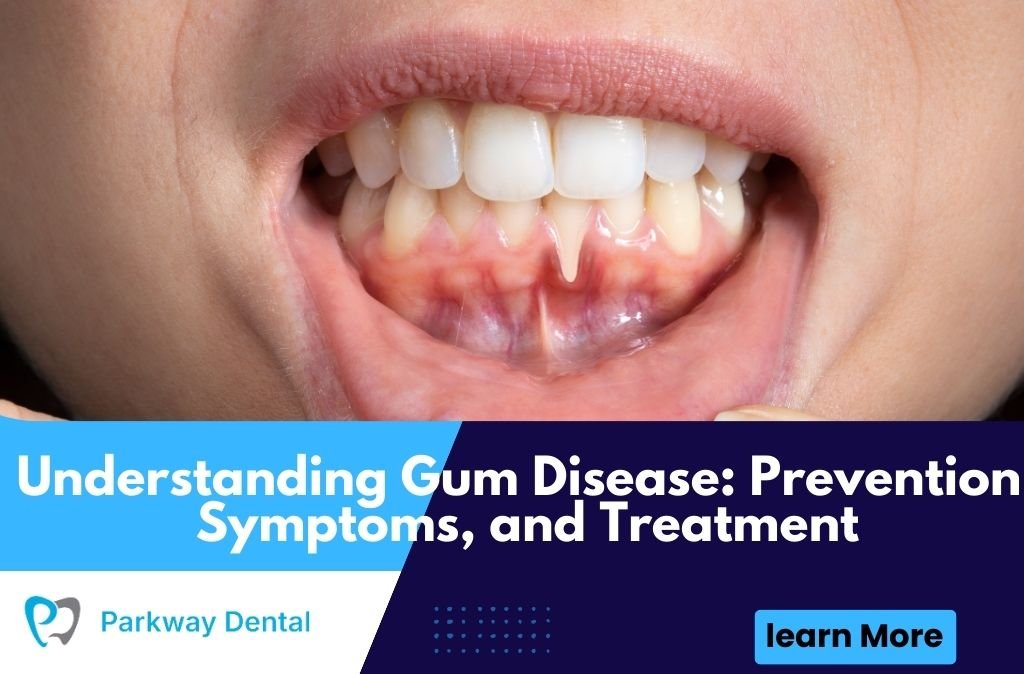
Healthy gums are pink and firm. Red, swollen, or tender gums indicate inflammation and the presence of gum disease. The gums may appear puffy or enlarged.
Bad Breath (Halitosis)
Persistent bad breath that doesn’t improve with brushing, flossing, or mouthwash can be a sign of gum disease. The bacteria associated with gum disease produce sulfur compounds that cause unpleasant odors.
Receding Gums
Gum recession occurs when the gum tissue pulls away from the teeth, exposing more of the tooth surface or root. This can make teeth appear longer and may cause sensitivity.
Advanced Symptoms
As gum disease progresses, symptoms become more severe and noticeable.
Deep Periodontal Pockets
Periodontal pockets are spaces that form between the teeth and gums as the gum tissue detaches. In healthy gums, these pockets are typically 1-3 millimeters deep. Pockets deeper than 4 millimeters indicate gum disease.
Loose or Shifting Teeth
As gum disease progresses and destroys the supporting structures of your teeth, you may notice teeth becoming loose or shifting position. This is a sign of advanced periodontitis.
Pus and Discharge
Pus or other discharge around the gums indicates a serious infection that requires immediate dental treatment. This may be accompanied by pain and swelling.
Changes in Bite
Advanced gum disease can cause changes in how your teeth fit together when you bite down. You may notice that your bite feels different or that teeth don’t align properly.
Prevention of Gum Disease
Prevention is always better than treatment when it comes to gum disease. Most cases can be prevented with proper oral hygiene and regular dental care.
Daily Oral Hygiene
The foundation of gum disease prevention is maintaining excellent daily oral hygiene.
Proper Brushing Technique
Brush your teeth at least twice daily with fluoride toothpaste using the correct technique. Use a soft-bristled toothbrush and gentle, circular motions. Brush for at least two minutes, paying special attention to the gum line where plaque accumulates.
Flossing Daily
Flossing is crucial for removing plaque and food particles from between teeth where your toothbrush can’t reach. Daily flossing significantly reduces your risk of gum disease. Use proper technique, gently guiding the floss between teeth and curving it around each tooth.
Antimicrobial Mouthwash
Using an antimicrobial mouthwash can help reduce bacteria and plaque in areas that brushing and flossing might miss. Look for mouthwashes specifically designed to fight gingivitis and gum disease.
Professional Dental Care
Regular professional dental care is essential for preventing gum disease.
Regular Cleanings
Professional dental cleanings every six months (or more frequently if recommended) remove tartar that can’t be eliminated with home care. Your dental hygienist can also identify early signs of gum disease.
Periodontal Maintenance
If you’ve had gum disease in the past, you may need more frequent professional cleanings (every 3-4 months) to maintain gum health and prevent recurrence.
Lifestyle Factors
Several lifestyle choices can significantly impact your gum health.
Quit Smoking
If you smoke or use tobacco products, quitting is one of the best things you can do for your gum health. Smoking cessation improves healing and reduces your risk of gum disease recurrence.
Healthy Diet
A balanced diet rich in vitamins and minerals supports gum health. Vitamin C is particularly important for gum tissue health, while calcium and phosphorus support bone health.
Manage Health Conditions
If you have diabetes, heart disease, or other medical conditions that increase your risk of gum disease, work with your healthcare providers to manage these conditions effectively.
Treatment Options for Gum Disease
Treatment for gum disease depends on the severity of the condition and how well you respond to initial therapy.
Non-Surgical Treatments
Most cases of gum disease can be treated with non-surgical methods, especially when caught early.
Scaling and Root Planing
Scaling and root planing is a deep cleaning procedure that removes plaque and tartar from below the gum line. Scaling removes bacteria and tartar from tooth surfaces and periodontal pockets. Root planing smooths root surfaces to help gums reattach and prevent bacteria accumulation.
Antimicrobial Therapy
Antimicrobial treatments may be used in conjunction with scaling and root planing. These can include:
- Antibiotic gels or fibers placed directly in periodontal pockets
- Prescription antimicrobial mouthrinses
- Oral antibiotics for severe infections
Laser Therapy
Laser therapy can be used to remove infected tissue and bacteria from periodontal pockets. This treatment is less invasive than traditional surgery and may promote faster healing.
Surgical Treatments
When non-surgical treatments aren’t sufficient, surgical interventions may be necessary.
Flap Surgery
Flap surgery involves lifting the gums away from the teeth to allow deep cleaning of periodontal pockets. The gums are then repositioned to fit snugly around the teeth. This procedure can reduce pocket depths and make it easier to maintain oral hygiene.
Bone Grafts
When gum disease has destroyed bone around your teeth, bone grafts can help regenerate lost bone tissue. Various graft materials can be used, including your own bone, donor bone, or synthetic materials.
Soft Tissue Grafts
Gum grafts can cover exposed root surfaces caused by gum recession. This procedure involves taking tissue from another area of your mouth (usually the palate) and attaching it to areas where gums have receded.
Guided Tissue Regeneration
This procedure involves placing a biocompatible membrane between the tooth and gum tissue to prevent gum tissue from growing into areas where bone and periodontal ligament should regenerate.
Maintenance After Treatment
Successful gum disease treatment requires ongoing maintenance to prevent recurrence.
Periodontal Maintenance Visits
After treatment, you’ll need regular periodontal maintenance visits, typically every 3-4 months. These visits include:
- Professional cleaning of teeth and periodontal pockets
- Assessment of gum health
- Reinforcement of oral hygiene techniques
Home Care Compliance
Maintaining excellent daily oral hygiene is crucial for long-term success. Your dental team will provide specific instructions for caring for your gums at home.
The Connection Between Gum Disease and Overall Health
Gum disease isn’t just a dental problem – it’s connected to your overall health in important ways.
Systemic Health Effects
Research has shown links between gum disease and several serious health conditions:
Heart Disease
Gum disease may increase your risk of heart disease and stroke. The inflammation associated with gum disease may contribute to cardiovascular problems.
Diabetes
Gum disease and diabetes have a bidirectional relationship. Diabetes increases your risk of gum disease, while gum disease can make blood sugar control more difficult.
Pregnancy Complications
Gum disease during pregnancy has been linked to premature birth and low birth weight babies. Pregnant women should pay special attention to their gum health.
Respiratory Disease
Bacteria from gum disease can be inhaled into the lungs, potentially causing respiratory infections or worsening existing lung conditions.
Conclusion
Gum disease is a serious but preventable condition that affects millions of people worldwide. Understanding the causes, symptoms, and treatment options empowers you to take control of your gum health. Early detection and treatment are key to preventing tooth loss and other serious complications.
The best approach to gum disease is prevention through excellent daily oral hygiene, regular professional dental care, and a healthy lifestyle. If you notice any symptoms of gum disease, don’t wait – see your dentist in west roxbury, ma or periodontist promptly for evaluation and treatment. With proper care and maintenance, you can keep your gums healthy for life and protect your overall health in the process.