Tooth sensitivity is a common dental issue that affects millions of people worldwide, causing discomfort or pain when consuming hot, cold, sweet, or acidic foods and drinks. This condition, also known as dentin hypersensitivity, occurs when the protective layers of the teeth are compromised, exposing the underlying nerves. Understanding the causes of tooth sensitivity and exploring effective solutions can help individuals manage and prevent this condition. This article delves into the reasons behind sensitive teeth, practical remedies, and preventive measures to maintain optimal dental health.
Table of Contents
What is Tooth Sensitivity?
Tooth sensitivity refers to a sharp, temporary pain or discomfort in the teeth triggered by specific stimuli, such as hot or cold temperatures, sweet or acidic foods, or even brushing. It occurs when the dentin, a softer layer beneath the enamel, becomes exposed, allowing external stimuli to reach the nerve endings inside the tooth. This section explores the mechanisms behind sensitive teeth and why they cause discomfort.
Understanding the Structure of a Tooth
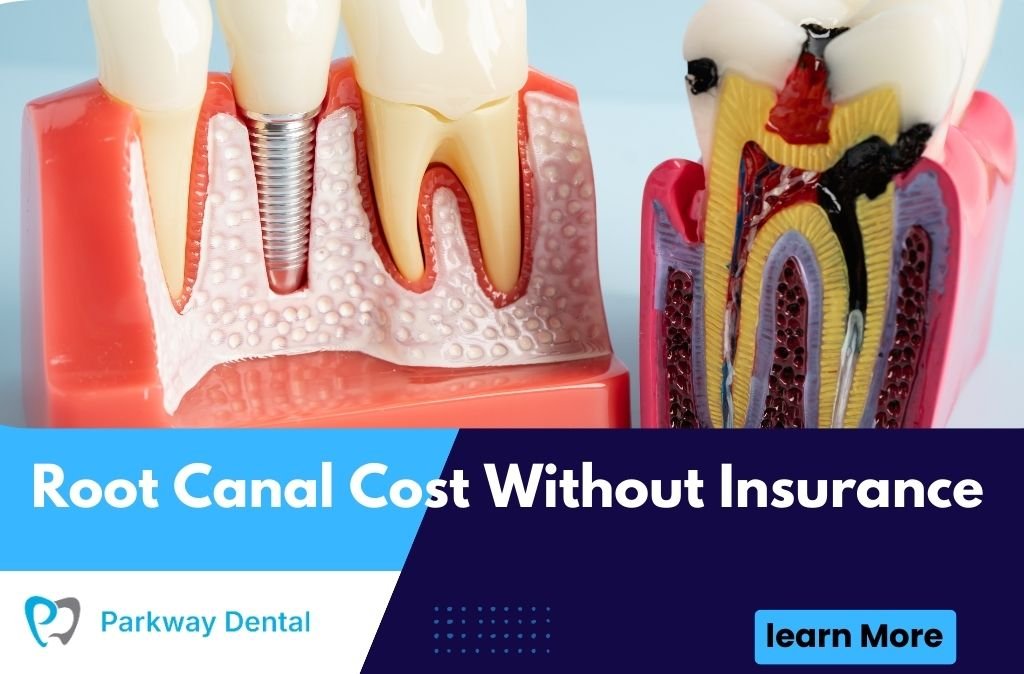
A tooth consists of multiple layers: the outer enamel, the hardest substance in the human body, protects the inner dentin, which contains tiny tubules leading to the nerve center (pulp). When enamel wears down or gums recede, these tubules allow stimuli like heat, cold, or sugar to stimulate the nerves, causing pain. Recognizing this structure helps explain why tooth sensitivity occurs and how dental treatments can address it.
Symptoms of Tooth Sensitivity
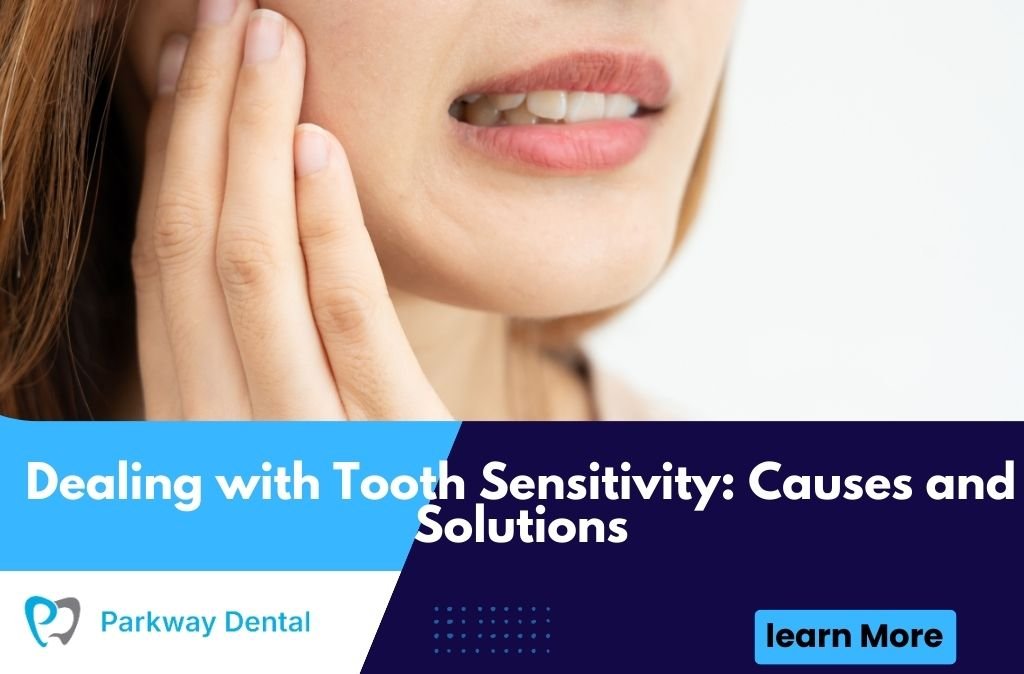
Common symptoms include sudden, sharp pain when consuming hot or cold foods, sweet or acidic beverages, or during brushing and flossing. Some individuals may experience discomfort when breathing cold air. These symptoms can vary in intensity and may affect one or multiple teeth. Identifying these signs early can lead to timely dental care, preventing further complications like tooth decay or gum disease.
Causes of Tooth Sensitivity
Several factors contribute to tooth sensitivity, ranging from lifestyle habits to underlying dental conditions. Understanding these causes is crucial for finding appropriate solutions and preventing further damage to teeth and gums. This section examines the primary reasons behind sensitive teeth.
Enamel Erosion
Enamel erosion occurs when the protective outer layer of the tooth wears away due to acidic foods, beverages (like soda or citrus juices), or aggressive brushing. Once the enamel is compromised, the dentin becomes exposed, leading to sensitivity. Over time, enamel erosion can worsen, increasing the risk of cavities and further discomfort, making it essential to address this issue promptly.
Gum Recession
Gum recession exposes the tooth roots, which lack the protective enamel layer, making them highly sensitive to temperature changes and certain foods. Causes of gum recession include gum disease, aggressive brushing, or aging. When the roots are exposed, stimuli can directly affect the nerves, causing sharp pain. Proper oral hygiene and dental care can help manage and prevent this condition.
Tooth Decay and Cavities
Tooth decay or cavities weaken the enamel and expose the dentin, leading to sensitivity. Bacteria in the mouth produce acids that erode teeth, especially when oral hygiene is poor. If untreated, cavities can deepen, reaching the nerve endings and causing severe pain. Regular dental checkups and timely treatments like fillings are critical to addressing this cause.
Teeth Grinding (Bruxism)
Teeth grinding, or bruxism, often occurs during sleep and wears down enamel, exposing the dentin. This habit can also cause micro-cracks in the teeth, increasing sensitivity. Stress, misaligned teeth, or sleep disorders may contribute to bruxism. Using a mouthguard at night and addressing underlying causes can reduce enamel damage and alleviate tooth sensitivity.
Dental Procedures
Certain dental procedures, such as teeth whitening, fillings, or crowns, can temporarily cause tooth sensitivity. These treatments may irritate the nerves or expose the dentin during the procedure. While this sensitivity is usually short-lived, it can be managed with desensitizing toothpaste or other dental products recommended by a dentist.
Solutions for Tooth Sensitivity
Managing tooth sensitivity involves addressing its causes, adopting preventive measures, and seeking professional dental care clinic. This section explores effective remedies and lifestyle changes to reduce discomfort and improve dental health.
Using Desensitizing Toothpaste
Desensitizing toothpaste contains compounds like potassium nitrate or strontium chloride, which block the dentin tubules, reducing nerve sensitivity. Regular use, as recommended by a dentist, can significantly alleviate discomfort. For best results, brush gently with a soft-bristled toothbrush to avoid further enamel damage. This is a widely accessible and effective solution for mild tooth sensitivity.
Improving Oral Hygiene Practices
Proper oral hygiene is essential for preventing and managing tooth sensitivity. Use a soft-bristled toothbrush and avoid aggressive brushing to protect enamel and gums. Flossing daily and using an antiseptic mouthwash can reduce plaque buildup, preventing gum disease and cavities. Consistent dental checkups ensure early detection of issues that could worsen sensitivity.
Dietary Changes to Protect Teeth
Avoiding acidic foods and beverages, such as citrus fruits, sodas, and sugary snacks, can prevent enamel erosion. Consuming calcium-rich foods like dairy products strengthens teeth, while drinking water after meals helps neutralize acids. Limiting sugary foods reduces the risk of cavities, a common cause of sensitivity. A balanced diet supports overall dental health and minimizes discomfort.
Professional Dental Treatments
For persistent tooth sensitivity, dentists may recommend treatments like fluoride gel applications to strengthen enamel, bonding to cover exposed tooth roots, or fillings for cavities. In severe cases, a root canal may be necessary to address nerve damage. Consulting a dentist ensures a tailored treatment plan to alleviate sensitivity and prevent further complications.
Natural Remedies for Tooth Sensitivity
Natural remedies like rinsing with saltwater can reduce inflammation and soothe gums. Applying clove oil, known for its numbing properties, may temporarily relieve tooth pain. Chewing sugar-free gum stimulates saliva production, which neutralizes acids and protects enamel. While these remedies offer temporary relief, they should complement, not replace, professional dental care.
Preventing Tooth Sensitivity
Prevention is key to avoiding tooth sensitivity. Regular dental checkups, proper brushing and flossing techniques, and a tooth-friendly diet can protect enamel and gums. Wearing a mouthguard for bruxism and avoiding acidic foods further reduce the risk. By maintaining consistent oral hygiene and addressing issues early, individuals can minimize the likelihood of developing sensitive teeth.
Conclusion
Tooth sensitivity can significantly impact daily life, but understanding its causes—such as enamel erosion, gum recession, tooth decay, bruxism, or dental procedures—empowers individuals to take action. Effective solutions include using desensitizing toothpaste, improving oral hygiene, making dietary changes, seeking professional treatments, and exploring natural remedies. By adopting preventive measures and consulting a dentist regularly, you can manage tooth sensitivity and maintain strong dental health. Addressing this issue promptly ensures a pain-free, confident smile.
Frequently Asked Questions
How to make tooth sensitivity go away?
Using desensitizing toothpaste, maintaining proper oral hygiene, and avoiding acidic foods can help. Consult a dentist for treatments like fluoride gel or bonding.
How to stop nerve sensitivity in a tooth?
Desensitizing toothpaste and fluoride treatments can block nerve sensitivity. Severe cases may require a root canal to address nerve damage.
What naturally helps tooth sensitivity?
Rinsing with saltwater, applying clove oil, and chewing sugar-free gum can provide temporary relief. Always consult a dentist for lasting solutions.
Why are my teeth suddenly sensitive?
Sudden sensitivity may result from enamel erosion, gum recession, cavities, or recent dental procedures. A dentist can diagnose the exact cause.
What is the best medicine for tooth sensitivity?
Desensitizing toothpaste with potassium nitrate is effective. Fluoride gels prescribed by dentists also help strengthen enamel.
How long does tooth sensitivity usually last?
Sensitivity from dental procedures may last a few days to weeks. Persistent sensitivity from cavities or gum disease requires dental treatment.
How do dentists treat sensitive teeth?
Dentists may apply fluoride gel, perform bonding, or treat cavities with fillings. Severe cases may need a root canal.
When to worry about tooth sensitivity?
Consult a dentist if sensitivity persists, worsens, or is accompanied by swelling, pain, or gum bleeding, indicating potential dental issues.