Dental implants have revolutionized modern dentistry, offering a permanent and natural-looking solution for missing teeth. Unlike dentures or bridges, implants provide long-lasting stability, prevent bone loss, and restore both function and aesthetics. But many patients wonder: When are dental implants the best choice? This guide will explore the right situations, benefits, risks, and alternatives, helping you understand when implants are the ideal option for restoring your smile.
Table of Contents
Understanding Dental Implants
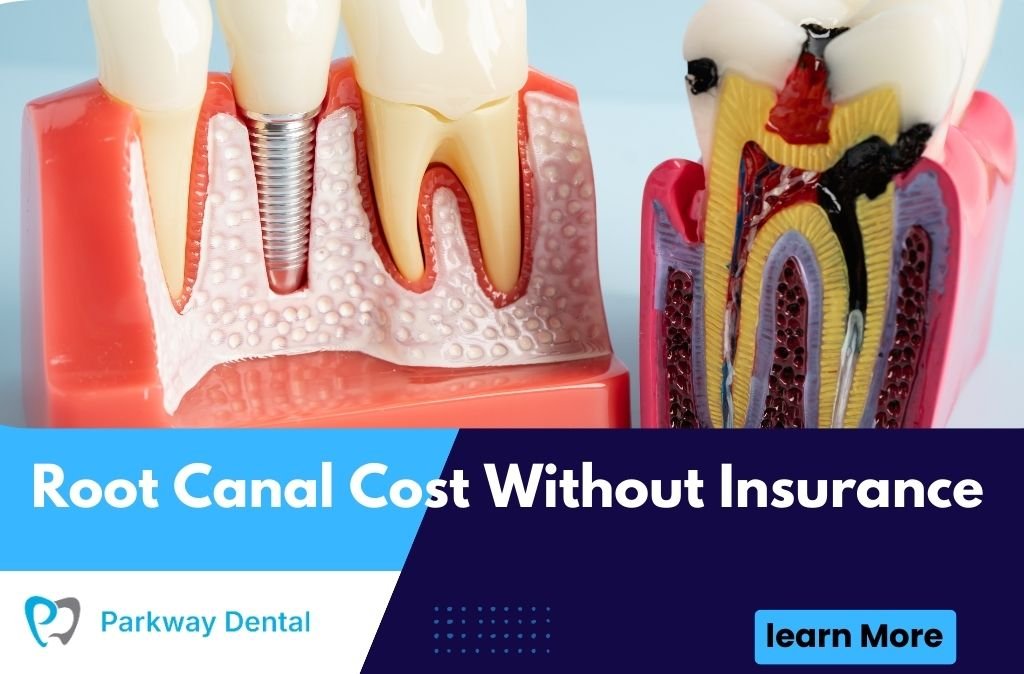
Dental implants are artificial tooth roots made of titanium or zirconia that fuse with the jawbone to provide a strong base for crowns, bridges, or dentures. They are designed to mimic natural teeth in both function and appearance. By integrating with the bone, implants prevent jawbone deterioration, a common problem with missing teeth. This makes them a superior long-term solution compared to removable prosthetics.
How Do Dental Implants Work?
The implant process involves several steps: placing the implant post in the bone, waiting for osseointegration (healing and bonding), attaching an abutment, and finally securing a dental crown. This process may take several months but results in a durable and natural replacement tooth. Patients benefit from improved chewing ability, speech, and confidence.
When Are Dental Implants the Best Choice?
Dental implants are the best choice when patients want a permanent, stable, and natural replacement for missing teeth. They work well for single or multiple gaps, restore chewing ability, prevent bone loss, and give patients a confident smile. Implants also suit those who dislike removable dentures.
For Single Tooth Replacement
If you’ve lost a single tooth due to decay, injury, or extraction, a dental implant is the most natural-looking and functional replacement. Unlike bridges, implants don’t require grinding down adjacent teeth. This preserves your overall oral health while providing a permanent solution.
For Multiple Missing Teeth
Patients with several missing teeth can benefit from implant-supported bridges or All-on-4 implants. These solutions restore chewing efficiency, aesthetics, and jawbone health. Unlike traditional dentures, implants stay securely in place, avoiding embarrassing slips or discomfort.
For Full Mouth Reconstruction
For patients with complete tooth loss, full mouth dental implants or implant-supported dentures are the best choice. They restore confidence, facial structure, and the ability to eat a wide variety of foods. Many patients choose this option after struggling with ill-fitting dentures.
Advantages of Dental Implants Over Other Options
The main advantage of dental implants is their durability and natural feel compared to dentures or bridges. They integrate with the jawbone, prevent bone deterioration, and do not damage surrounding teeth. Implants enhance speech, restore full chewing power, and boost confidence, making them a preferred long-term investment in oral health.
Long-Term Durability
Unlike dentures and bridges, which may need replacement every 5–10 years, dental implants can last a lifetime with proper care. This makes them cost-effective in the long run.
Bone Preservation Benefits
Missing teeth often lead to jawbone resorption, which causes facial sagging and changes in appearance. Dental implants stimulate bone growth through osseointegration, maintaining your natural facial structure.
Natural Look and Feel
Dental implants are designed to look, feel, and function like natural teeth. They provide superior comfort and restore full chewing ability, giving patients the confidence to eat and smile without worry.
Who Is a Good Candidate for Dental Implants?
Good candidates for dental implants include patients with healthy gums, sufficient bone density, and commitment to oral hygiene. Adults with missing teeth who are non-smokers or willing to quit smoking usually achieve high success rates. Individuals without uncontrolled medical conditions like diabetes or osteoporosis are also strong candidates for implants.
Patients With Good Oral Health
Ideal candidates for dental implants have healthy gums and sufficient jawbone density. Without these, implants may not integrate successfully.
Patients Without Chronic Health Conditions
Certain conditions like uncontrolled diabetes, severe osteoporosis, or immune disorders may reduce implant success rates. Patients should undergo a full medical evaluation before treatment.
Non-Smokers or Those Willing to Quit
Smoking negatively affects healing and increases implant failure risk. Patients who smoke should consider quitting to maximize success rates.
When Are Dental Implants Not the Best Choice?
Dental implants may not be the best choice for patients with severe bone loss, active gum disease, or uncontrolled medical issues. Young patients whose jaws are still developing also cannot receive implants. Those unwilling to maintain oral hygiene or attend follow-up dental visits may face complications and reduced success rates.
Patients With Severe Bone Loss
If the jawbone is too thin or weak, implants may not be possible without bone grafting. In such cases, alternative treatments may be recommended.
Patients With Poor Oral Hygiene
Since implants require excellent oral care, patients unwilling to maintain regular brushing, flossing, and dental visits may face complications such as peri-implantitis.
Children and Adolescents
Dental implants are not recommended until jaw growth is complete, usually around age 18 for males and 16 for females.
Types of Dental Implants
The main types of dental implants are endosteal, subperiosteal, and zygomatic. Endosteal implants are most common and placed in the jawbone. Subperiosteal implants sit on top of the bone under the gum. Zygomatic implants are used in rare cases with severe bone loss, anchored in the cheekbone for support.
Endosteal Implants
These are the most common type, placed directly into the jawbone. They are suitable for most patients with adequate bone density.
Subperiosteal Implants
Placed under the gum but above the bone, these implants are used for patients who cannot undergo bone grafting or don’t have enough jawbone.
Zygomatic Implants
A less common option, zygomatic implants are anchored in the cheekbone instead of the jawbone, typically used when bone loss is severe.
The Dental Implant Procedure
The dental implant procedure involves several steps: consultation and planning, implant placement, healing and osseointegration, abutment attachment, and final crown placement. The process may take several months, but it results in a permanent and natural replacement tooth. With proper care, the implant can last decades, restoring full oral function.
Initial Consultation and Planning
The process starts with a consultation, including X-rays or 3D scans to assess bone health and plan implant placement.
Surgical Placement of the Implant
The implant post is surgically inserted into the jawbone under local anesthesia or sedation.
Healing and Osseointegration
This phase lasts several months as the bone fuses with the implant, creating a strong foundation.
Placement of the Crown
Once healing is complete, an abutment and custom crown are placed to finalize the restoration.
Risks and Complications of Dental Implants
Dental implants are safe, but risks include infection, implant failure, and nerve injury. Smoking, poor oral hygiene, or uncontrolled health conditions increase the chances of complications. Peri-implantitis, a gum infection, may also occur. Regular dental visits and proper care reduce these risks and ensure long-term success of the treatment.
Surgical Risks
Like any surgery, risks include infection, bleeding, or nerve injury. However, with proper planning, these are minimal.
Implant Failure
In rare cases, implants may not integrate with the bone. Risk factors include smoking, poor oral hygiene, or uncontrolled medical conditions.
Peri-Implantitis
This gum infection around implants can cause bone loss if untreated. Regular dental check-ups are essential to prevent it.
Costs of Dental Implants
The cost of dental implants depends on the number of teeth replaced, materials used, and additional procedures like bone grafting. A single implant may range from $3,000 to $5,000, while full-mouth implants can cost over $30,000. Though expensive, implants are durable, offering long-term value compared to dentures or bridges.
Average Cost in the U.S.
A single dental implant can cost between $3,000 and $5,000, while full-mouth reconstruction can exceed $30,000.
Factors Influencing Cost
Costs vary based on the number of implants, materials used, need for bone grafting, and location.
Insurance and Financing Options
Many insurance plans don’t fully cover implants, but financing options and payment plans are available to make treatment accessible.
Alternatives to Dental Implants
Alternatives to dental implants include dentures, bridges, and resin-bonded bridges. Dentures are removable and more affordable but less stable. Bridges provide fixed replacements but require reshaping nearby teeth. Resin-bonded bridges are less invasive but not as durable. The right option depends on the patient’s oral health, budget, and preferences.
Dentures
While affordable, dentures may be uncomfortable and lack stability compared to implants.
Dental Bridges
Bridges are fixed but require filing down adjacent teeth, which may weaken them over time.
Resin-Bonded Bridges
Also known as Maryland bridges, these are less invasive but not as durable as implants.
Long-Term Care for Dental Implants
Long-term care of dental implants involves daily brushing, flossing, and regular dental checkups. Patients should avoid smoking and maintain a healthy diet to support oral health. Professional cleaning helps prevent gum infections around implants. With consistent care, implants remain strong and functional, lasting decades while maintaining natural appearance and comfort.
Daily Oral Hygiene
Brushing, flossing, and using an antibacterial mouthwash are essential to prevent infections.
Regular Dental Visits
Routine check-ups ensure the implant and surrounding tissues remain healthy.
Lifestyle Choices
Avoid smoking and maintain a balanced diet to support long-term implant success.
Conclusion
Dental implants are the best choice for patients who want a long-lasting, natural, and functional replacement for missing teeth. They provide unmatched stability, prevent bone loss, and improve overall quality of life. For the best results, always consult with an experienced Dentist in West Roxbury, MA who specializes in implant dentistry.
FAQs
When should I consider dental implants?
You should consider implants if you have one or more missing teeth, want a permanent solution, and have healthy gums and adequate bone support.
What is the 3/2 rule for dental implants?
The 3/2 rule refers to the minimum requirement of 3 mm of bone around an implant and 2 mm of soft tissue thickness for long-term success.
When are dental implants not a good idea?
They may not be ideal for patients with uncontrolled medical conditions, poor oral hygiene, or severe bone loss without grafting.
At what age should you not consider dental implants?
Implants are generally not recommended for children and young teens until jaw growth is complete.
How long do you go without teeth when getting implants?
Temporary teeth can be placed during healing, so patients rarely go completely without teeth.
Is it true that Medicare now pays for dental implants?
Traditional Medicare does not cover implants, but some Medicare Advantage plans may provide partial coverage.
What is the average cost for implant dentures?
The average cost ranges from $15,000 to $30,000 depending on the number of implants and materials used.
How do you get implants when you can’t afford them?
Options include dental schools, financing plans, or clinics offering reduced rates.
What is the best dental insurance for implants?
Insurance varies, but some private plans offer partial coverage. It’s best to check with providers who specialize in implant coverage.