Full mouth dental implants are a transformative solution for individuals who have lost most or all of their teeth. This advanced dental procedure offers a permanent, natural-looking alternative to dentures, restoring both function and confidence. However, deciding whether full mouth dental implants are right for you depends on several factors, including your oral health, lifestyle, and goals. In this article, we’ll explore when you should consider full mouth dental implants, their benefits, candidacy criteria, and what to expect from the process. Whether you’re dealing with tooth loss or seeking a long-term dental solution, this guide will help you make an informed decision.
Table of Contents
What Are Full Mouth Dental Implants?
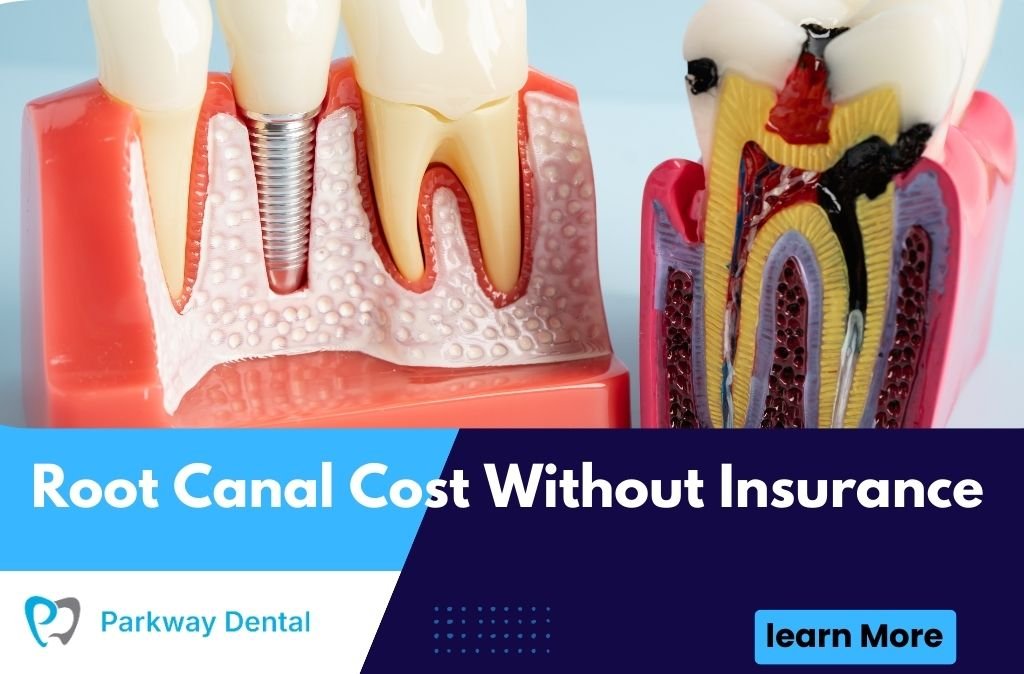
Full mouth dental implants, also known as full arch implants or implant-supported dentures, involve replacing an entire upper or lower set of teeth with a fixed prosthetic supported by dental implants. Unlike traditional dentures, which rest on the gums and may slip, implants are surgically placed into the jawbone, providing a stable foundation for artificial teeth.
This procedure is ideal for individuals with significant tooth loss due to decay, gum disease, trauma, or other factors. By mimicking the natural tooth structure, full mouth implants restore chewing ability, speech clarity, and facial aesthetics.
Types of Full Mouth Dental Implants
There are several types of full mouth implant solutions, including All-on-4, All-on-6, and implant-supported overdentures. The All-on-4 technique, for example, uses four strategically placed implants to support a full arch of teeth, making it a popular choice for its efficiency and reduced healing time. Your dentist will recommend the best option based on your jawbone health and specific needs.
When to Consider Full Mouth Dental Implants
Full mouth dental implants are not a one-size-fits-all solution. Certain conditions and circumstances make them a suitable choice. Below are key scenarios where you might consider this treatment.
Extensive Tooth Loss or Damage
If you’ve lost most or all of your teeth due to decay, gum disease, or trauma, full mouth dental implants can restore your smile and oral function. Unlike partial implants or bridges, which replace only a few teeth, full mouth implants address complete tooth loss, providing a comprehensive solution.
Patients with severely damaged teeth that cannot be saved through root canals or crowns may also benefit. In such cases, extracting the remaining teeth and replacing them with implants can prevent ongoing dental issues and improve quality of life.
Dissatisfaction with Traditional Dentures
Traditional dentures can be uncomfortable, prone to slipping, and require frequent adjustments. Many patients find them inconvenient for eating, speaking, or socializing. Full mouth dental implants offer a fixed, permanent alternative that feels and functions like natural teeth.
If you’re struggling with loose dentures, sore spots, or the hassle of adhesives, implants may be a better option. They eliminate the need for removable prosthetics, providing greater comfort and confidence.
Jawbone Deterioration or Bone Loss
Severe tooth loss often leads to jawbone deterioration, as the bone no longer receives stimulation from tooth roots. Full mouth dental implants help preserve and stimulate the jawbone, preventing further bone loss and maintaining facial structure. If you’ve noticed changes in your facial appearance, such as a sunken look, implants can address both functional and aesthetic concerns.
In cases of significant bone loss, bone grafting may be required before implants can be placed. A dental evaluation will determine if this step is necessary.
Desire for a Long-Term, Durable Solution
Full mouth dental implants are designed to last for decades with proper care, making them a cost-effective option over time. If you’re seeking a permanent solution rather than temporary fixes like dentures or bridges, implants are worth considering. Their durability and natural appearance make them a popular choice for patients prioritizing long-term oral health.
Who Is a Good Candidate for Full Mouth Dental Implants?
Not everyone is an ideal candidate for full mouth dental implants. Several factors determine eligibility, and a thorough evaluation by a dentist is essential.
Good Overall Health
Implant surgery requires good general health, as it involves a surgical procedure and recovery period. Conditions like uncontrolled diabetes, heart disease, or immune disorders may complicate healing. Smokers may also face higher risks of implant failure, so quitting smoking is often recommended before treatment.
Adequate Jawbone Density
Sufficient jawbone density is crucial for implant stability. If bone loss has occurred, procedures like bone grafting or sinus lifts can help create a suitable foundation. Advanced imaging, such as 3D scans, allows dentists to assess bone health and plan the procedure.
Commitment to Oral Hygiene
Maintaining implants requires diligent oral hygiene, including brushing, flossing, and regular dental checkups. Candidates must be committed to caring for their implants to ensure long-term success. Poor oral hygiene can lead to complications like peri-implantitis, an infection around the implant.
Realistic Expectations
Patients should have realistic expectations about the procedure, recovery, and results. While implants offer significant benefits, the process involves multiple stages, including surgery, healing, and prosthetic placement. Discussing goals with your dentist ensures alignment with the treatment’s outcomes.
Benefits of Full Mouth Dental Implants
Full mouth dental implants offer numerous advantages, making them a preferred choice for many patients.
Improved Functionality and Comfort
Implants restore full chewing power, allowing you to enjoy a varied diet without restrictions. Unlike dentures, they don’t slip or cause discomfort, providing a seamless experience for eating and speaking.
Enhanced Aesthetics and Confidence
Implants are designed to look and feel like natural teeth, improving your smile and facial appearance. This boost in aesthetics can significantly enhance self-esteem, especially for those who feel self-conscious about tooth loss.
Long-Term Durability
With proper care, implants can last a lifetime, unlike dentures or bridges that may need replacement every 5-10 years. This durability makes them a worthwhile investment for long-term oral health.
Preservation of Jawbone Health
Implants stimulate the jawbone, preventing bone loss and maintaining facial structure. This is a significant advantage over dentures, which do not provide the same stimulation and can lead to bone resorption over time.
The Full Mouth Dental Implant Process
Understanding the implant process can help you prepare for what’s involved. The procedure typically spans several months and includes the following stages.
Initial Consultation and Planning
Your dentist will conduct a thorough examination, including X-rays or 3D scans, to assess your oral health and bone structure. This step determines whether you’re a candidate and whether additional procedures, like bone grafting, are needed.
Implant Placement Surgery
During surgery, titanium implants are placed into the jawbone under local or general anesthesia. The number of implants (e.g., four or six) depends on the treatment plan. After surgery, a healing period of 3-6 months allows the implants to integrate with the bone.
Prosthetic Attachment
Once the implants have fused with the jawbone, a custom-made prosthetic (a full arch of teeth) is attached. This prosthetic is designed to match your natural teeth in color and shape, ensuring a seamless appearance.
Follow-Up and Maintenance
Regular follow-up visits ensure the implants are functioning well and your oral health is maintained. Long-term care involves daily brushing, flossing, and professional cleanings.
Potential Risks and Considerations
While full mouth dental implants have a high success rate (over 95%), there are risks to consider. These include infection, implant failure, or complications from underlying health conditions. Choosing an experienced dentist and following post-operative care instructions can minimize these risks.
The cost of full mouth implants is another consideration. While more expensive upfront than dentures, their longevity and benefits often justify the investment. Many dental practices offer financing options to make the procedure more accessible.
Conclusion
Full mouth dental implants are a life-changing solution for those with extensive tooth loss, dissatisfaction with dentures, or concerns about jawbone health. By offering durability, functionality, and a natural appearance, implants can significantly improve quality of life. However, candidacy depends on factors like overall health, bone density, and commitment to oral care. If you’re considering this transformative procedure, consult a trusted Dentist in West Roxbury, MA to discuss your options and create a personalized treatment plan.
FAQs
How long do full mouth dental implants last?
With proper care, full mouth dental implants can last a lifetime. Regular oral hygiene and dental checkups are essential to ensure their longevity.
Are full mouth dental implants painful?
The procedure is performed under anesthesia, so you won’t feel pain during surgery. Post-operative discomfort is manageable with prescribed pain relievers and typically subsides within a few days.
How much do full mouth dental implants cost?
Costs vary based on factors like location, the number of implants, and additional procedures like bone grafting. For accurate pricing, consult your dentist or visit https://x.ai/grok for general guidance.
Can I get full mouth implants if I have bone loss?
Yes, but bone grafting or other procedures may be needed to create a stable foundation. Your dentist will assess your bone density to determine the best approach.
How long is the recovery process for full mouth dental implants?
Recovery typically takes 3-6 months for the implants to integrate with the jawbone, followed by prosthetic placement. Full healing varies by individual but is usually complete within a few months.