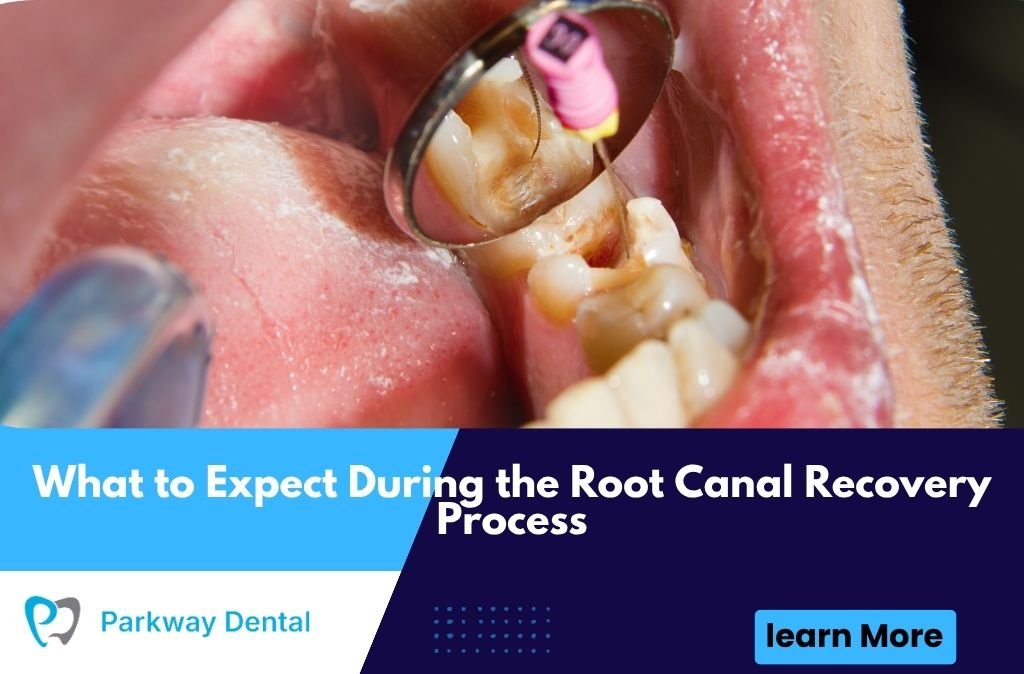
Root canal therapy has an undeserved reputation as one of the most dreaded dental procedures, yet the reality is that modern root canals are relatively comfortable and the recovery process is typically straightforward. Understanding what to expect during the days and weeks following your root canal treatment can alleviate anxiety, help you prepare adequately, and ensure you recognize normal healing versus signs of complications. From the immediate post-procedure period through complete healing, knowing the timeline, managing discomfort effectively, and following proper care instructions will help you achieve the best possible outcome and preserve your treated tooth for years to come.
Table of Contents
Immediate Post-Procedure: The First Few Hours
The moments and hours immediately following your root canal procedure set the stage for your recovery experience. As you leave the dental office, you’ll likely still be numb from the local anesthetic, which can persist for two to four hours depending on the type and amount used. During this numbness period, be extremely careful not to bite your cheek, lip, or tongue, as you won’t feel pain that would normally warn you of injury. Avoid eating until sensation fully returns to prevent accidental injury or choking.
Once the anesthetic wears off, you’ll begin experiencing the actual sensations in your treated tooth and surrounding tissues. Most patients feel some tenderness, soreness, or a bruised sensation around the tooth, which is a normal inflammatory response to the procedure. Your jaw may also feel tired or achy from keeping your mouth open during treatment, particularly if the procedure took considerable time or involved a back tooth requiring extended access. These immediate sensations are typically mild to moderate and shouldn’t cause severe distress.
What Your Tooth Will Feel Like
Many patients describe their tooth as feeling “different” or slightly elevated after root canal treatment, as if it doesn’t quite fit properly when biting down. This sensation results from inflammation in the ligaments surrounding the tooth root and usually resolves within a few days as swelling decreases. The tooth may be sensitive to touch or pressure when you bite, though this shouldn’t be intensely painful. Some patients notice mild throbbing that coincides with their heartbeat, which is normal inflammation-related discomfort that diminishes over the first day or two.
Your treated tooth might also feel more sensitive to temperature changes than usual, though root canal therapy actually removes the nerve that senses temperature. The sensitivity you experience comes from the surrounding tissues and ligaments that are temporarily inflamed from the procedure. This type of sensitivity is different from the severe, lingering pain caused by the original infection or damage that necessitated the root canal.
Days One Through Three: Early Recovery
The first seventy-two hours after your root canal represent the acute healing phase when inflammation peaks and then begins resolving. Day one typically brings the most noticeable discomfort as the anesthetic fully wears off and your body initiates the healing response. You may experience moderate tenderness around the tooth, mild swelling in the surrounding gum tissue, and sensitivity when eating or drinking. Taking pain medication as prescribed or recommended by your dentist helps manage these symptoms effectively.
By day two, most patients notice slight improvement in their symptoms, though some experience peak discomfort on the second day rather than the first. This variation is completely normal and doesn’t indicate problems with your treatment. The key indicator of proper healing is that pain should be manageable with over-the-counter medications and shouldn’t be worsening dramatically. Any swelling should remain localized to the immediate area around the treated tooth without spreading to your cheek or jaw.
Managing Discomfort During Early Recovery
During these first few days, implement several strategies to optimize your comfort and support healing. Take pain medications proactively on schedule rather than waiting for pain to become severe, as staying ahead of discomfort is easier than catching up once pain intensifies. Ibuprofen is particularly effective for dental pain because it reduces both pain and inflammation, though acetaminophen works well for patients who cannot take ibuprofen. Apply cold compresses to your cheek near the treated tooth for fifteen-minute intervals to reduce swelling and numb discomfort.
Stick to soft foods that don’t require aggressive chewing, and avoid using the treated tooth for biting until your dentist places a permanent restoration. Good food choices include yogurt, smoothies, mashed potatoes, soup, scrambled eggs, pasta, and soft fruits. Sleep with your head slightly elevated on extra pillows to minimize blood flow to the area and reduce nighttime throbbing. Avoid strenuous exercise or activities that significantly elevate your heart rate and blood pressure, as these can increase swelling and discomfort.
Days Four Through Seven: Significant Improvement
By the fourth day after your root canal, you should notice considerable improvement in your symptoms. The initial inflammatory response has largely resolved, and any swelling should be noticeably decreased or completely gone. Pain should be minimal and might only occur when you accidentally apply pressure directly to the treated tooth while eating. Many patients find they no longer need pain medication by day four or five, or only take it occasionally rather than on a regular schedule.
Your energy levels should return to normal during this period, and you can resume most regular activities including work, exercise, and social engagements. The treated tooth will likely still feel slightly different from your other teeth, with some residual tenderness remaining, but these sensations should be mild and non-intrusive. You should be able to eat a wider variety of foods, though you’ll still want to avoid chewing directly on the treated tooth or consuming extremely hard, crunchy, or sticky foods.
Returning to Normal Functions
During this week, you can gradually expand your diet and activities while remaining mindful of protecting your treated tooth. Continue practicing excellent oral hygiene, brushing gently around the treated area and flossing carefully to remove food particles and plaque. You can brush the treated tooth itself with a soft-bristled brush, though be gentle to avoid irritating the surrounding gum tissue. If your dentist placed a temporary filling or crown, be particularly careful to avoid dislodging it by not chewing sticky foods or using that tooth for biting hard items.
Most patients can return to work or school the day after their root canal, though some prefer to take an additional day off if the procedure was complex or they’re experiencing more significant discomfort. Listen to your body and don’t push yourself too hard during the first week, as adequate rest supports healing and helps you feel better faster.
Weeks Two Through Four: Continued Healing
As you move into the second, third, and fourth weeks after your root canal, the treated tooth continues healing at a cellular level even though you may not notice day-to-day changes. The internal tissues where the infected or damaged pulp was removed are filling with healing tissue and bone is remodeling around the root tips. Most residual sensitivity should have resolved by week two, and the tooth should feel essentially normal during regular activities like eating and drinking.
During this period, you’ll likely have a follow-up appointment to check healing progress and, if necessary, to complete your permanent restoration. Many root canals are completed in a single visit, while others require two appointments with a temporary filling placed between visits. If you still have a temporary restoration, it’s crucial to protect it until your permanent crown or filling is placed, as temporary materials aren’t designed to withstand normal chewing forces for extended periods.
The Importance of Permanent Restoration
Completing your permanent restoration within the recommended timeframe is critical for the long-term success of your root canal treatment. Teeth that have undergone root canal therapy are more brittle than vital teeth because they no longer have internal moisture and flexibility from the pulp tissue. A crown or substantial filling reinforces the tooth structure, distributes chewing forces evenly, and prevents fractures that could result in tooth loss despite successful root canal treatment.
Delaying permanent restoration increases the risk of reinfection if bacteria enter through a temporary filling, tooth fracture from inadequate support, and failure of the root canal treatment requiring retreatment or extraction. Schedule and attend your restoration appointment promptly, even if your tooth feels fine, to protect your investment in root canal therapy and ensure the treated tooth serves you well for many years.
Long-Term Healing: Months One Through Six
Complete healing at the cellular level continues for several months after root canal treatment, though you won’t notice ongoing changes in how the tooth feels. The bone and ligaments surrounding the tooth roots fully stabilize during this time, and any inflammation visible on X-rays at the time of treatment gradually resolves. Your dentist may take follow-up X-rays at six months or one year to confirm complete healing and absence of any periapical pathology.
During this long-term healing phase, your treated tooth should function normally without pain, sensitivity, or other symptoms. If properly restored with a crown or filling, it should feel and function just like your other teeth. You should be able to chew normally on the treated tooth, though maintaining good oral hygiene and attending regular dental checkups ensures the longevity of both the root canal treatment and the restoration protecting it.
Maintaining Your Treated Tooth
With proper care, teeth that have undergone root canal therapy can last a lifetime. Practice excellent oral hygiene by brushing twice daily with fluoride toothpaste and flossing once daily to prevent decay around the restoration margins. Attend regular dental checkups and cleanings every six months so your dentist can monitor the treated tooth and identify any problems early. Avoid using your teeth as tools to open packages or bite hard objects like ice or hard candy, as root canal-treated teeth can fracture more easily than vital teeth.
Wear a nightguard if you grind your teeth during sleep, as grinding forces can damage both the restoration and the underlying tooth structure. Address any new dental problems promptly rather than delaying treatment, as decay or gum disease affecting adjacent teeth can compromise your treated tooth. With these preventive measures, your root canal-treated tooth should remain healthy and functional indefinitely.
Signs of Complications to Watch For
While most root canal procedures heal without issues, knowing warning signs that warrant professional attention is important. Contact your dentist if you experience severe pain that worsens after the first few days rather than improving, or pain that doesn’t respond to over-the-counter medications. Significant swelling that develops or increases after the first few days, especially if accompanied by fever, suggests infection requiring evaluation and possibly antibiotics.
Visible swelling or a pimple-like bump on your gum near the treated tooth may indicate abscess formation or incomplete resolution of infection. Sensitivity to biting that persists beyond two weeks might indicate a high restoration that needs adjustment or, rarely, a cracked tooth or incomplete treatment. If your temporary restoration falls out or breaks, contact your dentist immediately for replacement, as the tooth is vulnerable to reinfection and damage without protection.
When to Seek Immediate Care
Certain symptoms require immediate attention rather than waiting for regular office hours. Severe swelling that affects your ability to open your mouth, swallow, or breathe constitutes a medical emergency requiring immediate care at an emergency room. High fever above 101°F (38.3°C) with significant facial swelling suggests serious infection spreading beyond the tooth. Allergic reactions to prescribed medications, characterized by rash, difficulty breathing, or swelling of the lips or tongue, require emergency medical treatment.
If you experience unusual numbness or tingling that persists beyond the expected duration of local anesthesia, contact your dentist promptly as this may indicate nerve irritation requiring evaluation. Most complications can be resolved relatively easily when addressed promptly, but delaying treatment can lead to more serious problems requiring extensive intervention.
Maximizing Your Recovery Success
Supporting optimal healing from root canal therapy involves both physical care and emotional factors. Follow all post-procedure instructions provided by your dentist, including medication schedules, dietary modifications, and activity restrictions. Maintain excellent oral hygiene throughout the healing period while being gentle around the treated tooth. Stay well-hydrated and eat nutritious foods that support tissue healing and immune function, including adequate protein, vitamins, and minerals.
Get sufficient sleep during the recovery period, as tissue repair and immune activity are most active during rest. Manage stress through relaxation techniques, as chronic stress can impair healing and immune response. Avoid smoking and tobacco use, which dramatically impair healing and increase the risk of treatment failure. If you smoke, this is an excellent opportunity to quit or at least abstain during the healing period to give your body the best chance of successful recovery.
Conclusion
The root canal recovery process is typically much easier than most patients anticipate, with most people experiencing only mild to moderate discomfort during the first few days that gradually resolves over the following week. Understanding the timeline of healing, knowing what sensations are normal versus concerning, and implementing appropriate pain management and self-care strategies ensures a smooth recovery and optimal long-term outcome. While the treated tooth continues healing at a cellular level for several months, most patients feel completely normal within one to two weeks and can resume all regular activities without restrictions. The key to success is following your dentist’s instructions carefully, completing any necessary permanent restoration promptly, and maintaining excellent oral hygiene to protect your treated tooth for years to come. For expert root canal treatment, comprehensive recovery guidance, and ongoing care that ensures the long-term success of your procedure, consult with an experienced Dentist in West Roxbury, MA who can provide skilled treatment, personalized post-procedure support, and the follow-up care necessary to preserve your natural tooth and maintain your optimal oral health.