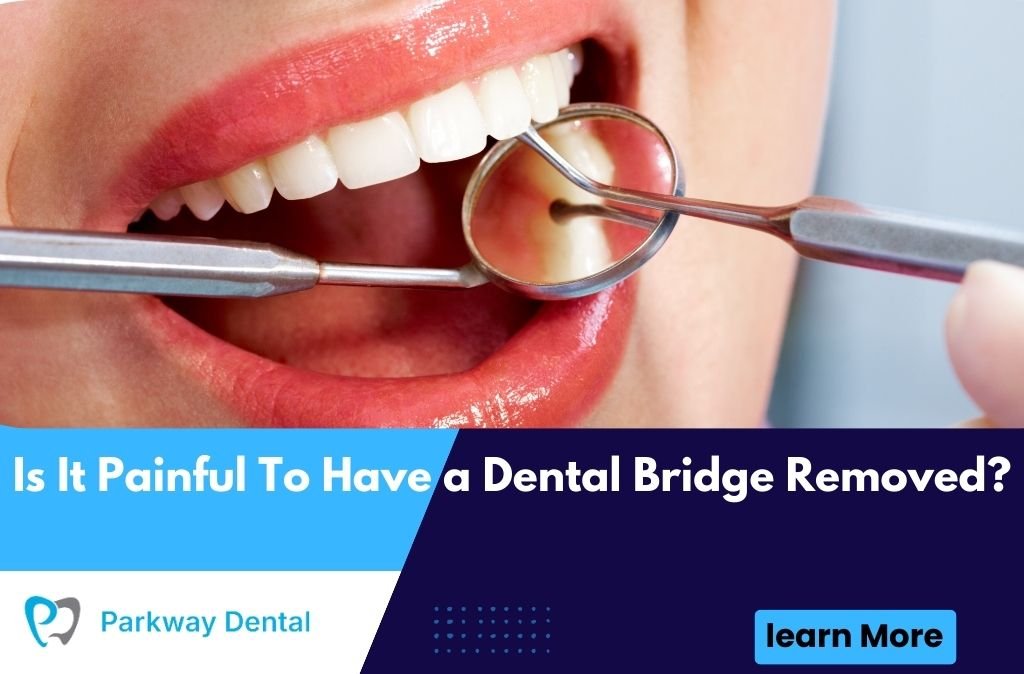
A dental bridge is one of the most reliable ways to replace missing teeth. It restores chewing ability, helps maintain facial structure, and keeps your smile complete. But like every dental restoration, a bridge doesn’t last forever. Over time, the surrounding teeth, gums, or underlying structure may change, making bridge removal necessary. Many patients worry about whether removing a bridge is painful, especially if the bridge has been in place for years.
The truth is that dental bridge removal is generally not painful, because dentists use modern tools, local anesthesia, and careful techniques to protect the supporting teeth. Discomfort is minimal and short-lasting. This article explains the entire process why bridges need to be removed, how dentists remove them safely, what level of pain to expect, and how to ensure a smooth healing process.
The goal is to give you a complete, clear understanding so you feel confident and comfortable before your appointment.
Table of Contents
Understanding Why Dental Bridges Need to Be Removed
A dental bridge may need to be removed for several reasons. Knowing why it happens helps remove fear and prepares you for the treatment.
When a Bridge Wears Out Naturally
Dental bridges typically last 10–15 years. With time, everyday chewing, biting, and temperature changes cause natural wear. If the bridge loosens, cracks, or becomes unstable, your dentist may recommend removal.
Decay Under the Bridge
Although bridges are strong, the natural teeth beneath them can develop decay. Food and bacteria sometimes sneak under the bridge edges. Removing the bridge allows the dentist to treat the decay before it spreads.
Gum Recession and Bone Loss
Gums can recede as we age, changing the fit of the bridge. When recession exposes the roots or supporting teeth, removal is necessary to prevent sensitivity and infection.
Damage From Trauma or Grinding
Accidents, falls, or nighttime grinding (bruxism) can crack or loosen a bridge. Removal helps avoid further injury to the anchoring teeth.
Does Dental Bridge Removal Hurt?
Most patients feel only pressure, tugging, or mild discomfort, not sharp pain. Dentists numb the area thoroughly and use gentle techniques to detach the cemented bridge.
Why Local Anesthesia Makes Removal Comfortable
Before removing the bridge, the dentist numbs the gums and supporting teeth. This prevents pain, even if the bridge is firmly attached. Patients often describe the experience as “weird” or “strange,” but not painful.
How Modern Tools Reduce Discomfort
Today’s dental tools are designed to loosen cement and detach bridges with minimal impact on the teeth. Controlled vibrations, specialized pliers, and small instruments help release the bridge without excessive force.
Temporary Soreness Is Normal
After removal, the supporting teeth and gums may feel tender for a day or two. This is natural because the area has been under the bridge for years. Over-the-counter pain relievers usually handle this easily.
How Dentists Remove a Dental Bridge Safely
Dental bridge removal is a detailed process that preserves the supporting teeth while removing the old restoration. Dentists choose the method based on bridge design, cement strength, tooth condition, and how long the bridge has been in place.
Step 1 — Examination and X-Rays
Before removal, your dentist examines the bridge, supports, and surrounding tissues. X-rays help determine:
- How tightly the bridge is attached
- If decay is present
- Whether the supporting teeth are damaged
- If the gums are healthy
This ensures a precise and safe removal.
Step 2 — Numbing the Area
Local anesthesia is used to block pain. Even if the bridge is old or worn, numbing ensures you only feel gentle movements, not discomfort.
Step 3 — Loosening the Bridge
The dentist uses small tools to gently break the cement seal. Depending on the type of cement used years ago, removal may be quick or take a little longer. The goal is to preserve the anchor teeth.
Step 4 — Removing the Bridge Piece by Piece (If Necessary)
Some bridges are removed whole. Others may require sectioning the bridge into smaller pieces. This is safe and prevents pressure on your natural teeth.
Step 5 — Cleaning and Evaluating the Supporting Teeth
Once the bridge is removed, your dentist checks the natural teeth underneath. If decay or wear is found, it’s treated immediately.
Different Methods Dentists Use to Remove a Dental Bridge
Dentists choose the method that causes the least stress to the supporting teeth.
The Gentle “Tapping” Technique
A special tool applies light tapping pressure to gradually loosen the cement. This method is painless and highly effective.
Sectioning the Bridge
When cement is extremely strong, the dentist carefully cuts the bridge into small parts to remove it safely. This protects the underlying teeth and gums.
Ultrasonic Removal
Ultrasonic vibrations help break the cement bond without harming enamel. This method is ideal for bridges that are tightly sealed.
Using Special Pliers
Specially designed bridge-removal pliers grip the edges of the bridge and gently detach it. These pliers apply even, controlled force.
Dentists choose the safest method based on the bridge’s condition.
What Causes Pain During or After Bridge Removal?
Although dental bridge removal is not painful, some discomfort can happen because of underlying issues not because of the removal itself.
Sensitive Supporting Teeth
If the natural teeth anchoring the bridge have decay, cracks, or exposed dentin, they may feel tender after removal.
Gum Inflammation
Gums may be inflamed from bacteria trapped under the bridge. When the bridge is lifted, the gums may feel sore for 24–48 hours.
Pressure Sensitivity
Anchor teeth that have supported a bridge for years may be temporarily sensitive once exposed.
Infection or Deep Decay
If there was hidden infection beneath the bridge, removal may reveal discomfort that was previously covered.
How Pain Is Managed During Dental Bridge Removal
Dentists take several steps to keep you comfortable throughout the procedure.
Effective Anesthesia
Local anesthesia numbs both the teeth and surrounding gum tissue. This eliminates pain during removal.
High-Precision Tools
Modern dental tools minimize pressure, reduce friction, and prevent unnecessary force.
Dentist Experience
Experienced dentists know how to remove old bridges with minimal discomfort, protecting tooth structure.
Pain Medication After Treatment
If mild soreness occurs, simple over-the-counter pain relief such as ibuprofen is usually enough.
Why Dental Bridges Need Replacement After Removal
You cannot keep teeth uncovered after a bridge is removed. Supporting teeth need protection, and the missing space must be restored to avoid shifting.
Preventing Tooth Movement
Without a bridge, neighboring teeth may drift into the empty space, causing misalignment.
Protecting Supporting Teeth
The natural teeth holding the bridge may be shaped or reduced. Leaving them exposed makes them vulnerable to decay and temperature sensitivity.
Maintaining Bite Stability
A missing bridge affects chewing and can shift your bite over time.
Restoring Appearance
Replacing the bridge keeps your smile complete and natural-looking.
Types of Pain You Might Experience After a Dental Bridge Removal
Even though the procedure itself is comfortable, you may feel mild soreness afterward. This is normal and temporary.
Mild Gum Tenderness
Gums that were covered by the bridge for years may feel sensitive once exposed to air, brushing, or temperature. This usually fades within 24–72 hours.
Tooth Sensitivity
The supporting teeth under the bridge were previously shielded. After removal, they may react to hot or cold foods until new protection (a temporary or new bridge) is placed.
Pressure or Bite Sensitivity
Teeth that held the bridge may feel “different” when you bite because they’re adjusting after years of supporting the restoration.
Soreness From Bridge Cement Removal
Removing old cement sometimes irritates the gums slightly. This heals quickly with proper care.
How to Reduce Pain and Discomfort After Dental Bridge Removal
Following your dentist’s instructions will keep your recovery smooth and comfortable.
Use Gentle Pain Relief
Over-the-counter medications like ibuprofen or acetaminophen help manage tenderness for the first 24–48 hours.
Avoid Very Hot or Cold Foods
Since the supporting teeth may be sensitive, lukewarm foods help reduce discomfort until your new restoration is placed.
Rinse With Warm Salt Water
Saltwater reduces swelling, disinfects the gums, and speeds healing after bridge removal.
Brush Softly Around the Area
Use a soft-bristled toothbrush and avoid scrubbing the exposed teeth too hard while they adjust.
Follow Your Dentist’s After-Care Instructions
Each case is different. Your dentist may recommend medicated mouthwash, desensitizing toothpaste, or special care if decay was found.
How Long Does Pain Last After Bridge Removal?
Most patients recover very quickly after their bridge is removed.
Typical Recovery Timeline
- Day 1–2: Mild soreness or gum tenderness
- Day 3–4: Sensitivity greatly reduces
- Day 5–7: Most patients feel fully normal
- 1–2 Weeks: Gums fully adapt
When to Call Your Dentist
If you experience:
- Severe pain
- Persistent swelling
- Bleeding
- Signs of infection
Contact your dentist immediately.
These symptoms are rare but important to monitor.
What Happens After a Dental Bridge Is Removed?
Once the bridge is taken out, your dentist will discuss the next steps. You cannot leave the supporting teeth uncovered long-term.
Placing a Temporary Bridge
A temporary restoration protects your teeth until your new bridge, crown, or implant is ready.
Treating Decay or Damage Under the Bridge
If the dentist finds decay, they will clean and restore the affected tooth before placing any new restoration.
Choosing the Next Permanent Option
Depending on your dental needs, options may include:
- A new bridge
- A dental implant
- Crowns on the supporting teeth
A temporary solution stays in place until your permanent bridge is created.
Is Bridge Removal Harder If the Bridge Is Old?
Older bridges can be more challenging to remove, but modern techniques make the process safe.
Cement Strength Increases Over Time
Old dental cement hardens and becomes more stubborn, but dentists use ultrasonic tools to break it safely.
Supporting Teeth May Have Changed
Over the years, anchor teeth may wear down or experience gum recession. This makes removal more delicate, but not more painful.
Dentists Adjust Techniques for Older Bridges
Sectioning the bridge or loosening it piece-by-piece protects your natural teeth and reduces discomfort.
Can a Dental Bridge Be Removed Without Damaging the Teeth?
Yes. In many cases, dentists remove bridges without any damage to the supporting teeth.
Cement-Breaking Tools
Modern ultrasonic tools vibrate gently to break the bond between the bridge and the teeth.
Controlled Force
Dentists apply equal, gentle pressure to avoid pulling too hard on any single tooth.
Sectioning the Bridge for Safety
If the bridge is extremely tight, the dentist cuts it into smaller sections. This avoids stress on the teeth and ensures safe removal.
Is It Safe to Leave a Bridge Off for a Long Time?
No. Supporting teeth need protection, and the missing gap must be filled.
Risk of Tooth Movement
Natural teeth drift into open spaces. This can cause crookedness and bite problems.
Risk of Sensitivity and Decay
Teeth under a bridge are reshaped and must remain covered to prevent damage.
Affects Chewing and Jaw Alignment
A missing bridge changes chewing forces, leading to jaw discomfort and wear on remaining teeth.
Your dentist will provide a temporary solution until a new permanent restoration is ready.
Benefits of Having a Dental Bridge Removed
Many patients actually feel better after removing an old or damaged bridge.
Removes Hidden Infection
Bridges can trap bacteria underneath. Removal allows proper cleaning and protects long-term oral health.
Improves Comfort
A loose or cracked bridge can cause pain. Removing it restores comfort and prevents further damage.
Prevents Future Complications
Catching issues early can prevent tooth loss, gum problems, and bone loss.
Allows You to Upgrade to Better Options
Modern bridges and implants look more natural and last longer than older restorations.
Comparing Pain Levels: Bridge Removal vs. Other Dental Procedures
Many patients want to know how bridge removal compares to other dental treatments. This helps set expectations and reduce anxiety.
Less Pain Than Tooth Extraction
Bridge removal does not involve pulling a tooth, so the discomfort is far milder than extraction. Most patients describe it as “pressure,” not pain.
More Comfortable Than Root Canal Therapy
Root canals treat infected nerves and require working deep inside the tooth. Bridge removal, on the other hand, focuses on the outer cement layer, making it a more comfortable experience.
Similar to Removing a Crown or Filling
Because bridges are bonded similarly to crowns, the process feels comparable. Slight pressure, but not painful.
Minimal Healing Time
Unlike surgeries or extractions, healing after bridge removal is quick often just a day or two.
Factors That Affect Pain Level During Bridge Removal
Several factors influence how comfortable the process will feel. Understanding them helps you prepare and discuss concerns with your dentist.
Age of the Bridge
Older bridges sometimes use strong cement, requiring more careful removal. Nevertheless, anesthesia ensures comfort.
Condition of Supporting Teeth
Teeth that have decay, cracks, or gum recession may be more sensitive once exposed.
Gum Health
Healthy gums are less likely to feel sore. Inflamed gums may experience more tenderness.
Dentist Skill and Experience
A dentist who performs bridge removals regularly will make the experience smoother, faster, and more comfortable for you.
What to Expect During a Dental Bridge Removal Appointment
Knowing what will happen at the appointment makes the process far less intimidating. You’ll be fully informed from start to finish.
Consultation and Evaluation
Your dentist reviews the bridge, takes X-rays, and checks the surrounding teeth and gums. They explain why removal is needed and how the procedure will go.
Numbing the Area
Local anesthesia is used to eliminate pain. Even if the bridge is old or tightly cemented, you will feel pressure only.
Removing the Bridge
Depending on the condition, the dentist may:
- Loosen the cement
- Section the bridge
- Remove it whole
The process is controlled, safe, and designed to protect tooth enamel.
Cleaning and Treatment After Removal
Once removed, the dentist cleans the area, removes leftover cement, and checks for decay or infection.
Temporary Replacement
A temporary bridge or crown protects the teeth until a new permanent restoration is ready.
What Are Your Options After a Dental Bridge Is Removed?
Once a bridge is taken out, the missing area should be restored to maintain alignment, function, and appearance.
A New Dental Bridge
Many patients simply replace the old bridge with a new one. Modern bridges look more natural, fit better, and last longer.
Dental Implants
If the supportive teeth are weak or decayed, implants may be recommended. Implants look and function just like natural teeth and protect the jawbone.
Crowns for Supporting Teeth
If anchor teeth are damaged, crowns may be placed to strengthen them before designing a new bridge.
Partial Dentures
A removable partial denture is an option for patients who prefer non-invasive replacements.
Depending on your dental goals, a dentist offering Dental Bridges in West Roxbury, MA can guide you through all available choices.
How to Prevent Pain During Future Bridge Removals
You can take steps to ensure your next bridge removal is even easier, smoother, and more comfortable.
Keep Gums Healthy
Healthy gums reduce sensitivity and make bridge removal easier. Brush twice daily, floss, and schedule regular cleanings.
Don’t Delay Dental Care
If your bridge feels loose or uncomfortable, early evaluation prevents gum or tooth complications.
Treat Grinding or Clenching
Bruxism (grinding) damages bridges. Wearing a night guard reduces stress on the restoration and supporting teeth.
Routine Dental Checkups
Regular visits help your dentist monitor the condition of the bridge, supporting teeth, gums, and underlying bone.
Signs That Your Dental Bridge Needs to Be Removed
Sometimes, your dental bridge sends you clear signs that something is wrong. Recognizing these signals early helps prevent pain and infection.
Sensitivity Around the Bridge
New temperature sensitivity often means the tooth underneath is exposed or decayed.
Movement or Looseness
A bridge should never move. If it shifts, the cement may have weakened or the anchor teeth may be compromised.
Gum Inflammation Around the Bridge
Red, swollen, or bleeding gums suggest trapped bacteria or decay beneath the bridge.
Bad Odor or Bad Taste
A foul smell around a bridge often means bacteria is active underneath.
Visible Damage or Cracks
Cracks in the bridge weaken its ability to function and must be addressed before they worsen.
Conclusion
Dental bridge removal is a safe, comfortable, and predictable dental procedure. With today’s numbing techniques and advanced tools, most patients feel only pressure—not pain. Temporary soreness may occur, but it fades quickly and can be managed with simple home care. Removing an old or failing bridge is an important step toward protecting your oral health, treating hidden problems, and preparing for a new restoration that fits better and lasts longer. For expert evaluation, gentle treatment, and a smooth experience, always consult a trusted Dentist in West Roxbury, MA who can guide you through every step with care and precision.
FAQs
Can a Dentist Remove a Bridge Without Damaging My Teeth?
Yes. Dentists use controlled techniques, sectioning strategies, and ultrasonic tools to protect natural teeth.
Will I Be Able to Eat After My Bridge Is Removed?
Yes, but stick to soft foods for the first day if the area feels tender.
Will My Teeth Hurt After the Anesthetic Wears Off?
Some minor sensitivity is normal, but severe pain is unusual. Call your dentist if discomfort persists.
Can I Choose a Different Treatment Instead of Another Bridge?
Of course. Dental implants, crowns, or partial dentures are all alternatives.
Does having a tooth removed affect other teeth?
Removing a tooth affects spacing and alignment, but removing a bridge does not affect neighboring teeth. What matters is replacing the bridge soon so the supporting teeth and bite stay stable.
What are the benefits of having a tooth extracted?
Extraction removes infection, relieves pain, prevents decay from spreading, and makes space for implants or bridges.
Will extracting a tooth stop an infection?
Yes. Removing an infected tooth eliminates the source of infection and allows tissues to heal.
Does tooth extraction help gum disease?
If a tooth is severely loose or infected from gum disease, extraction can help protect the remaining healthy teeth.
Why do dentists not pull teeth if gum is infected?
Severe gum infections may require antibiotics first. Once swelling reduces, extraction becomes safe.
What is the hardest tooth to extract?
Fully impacted wisdom teeth are usually the most difficult because they may be lodged in the bone or angled awkwardly.