Every year, millions of patients undergo dental drilling as part of routine restorative care, yet many still wonder why this procedure is necessary. Dental drilling plays a vital role in removing decay, shaping the tooth for restoration, preventing deeper infection, and ensuring long-term oral health. Despite the fear often associated with dental drills, modern technology has made the process faster, safer, and significantly more comfortable. This guide explains—in full clinical detail why dental drilling is necessary, how it protects your teeth, and what patients should know before undergoing treatment.
Table of Contents
Understanding What Dental Drilling Actually Is
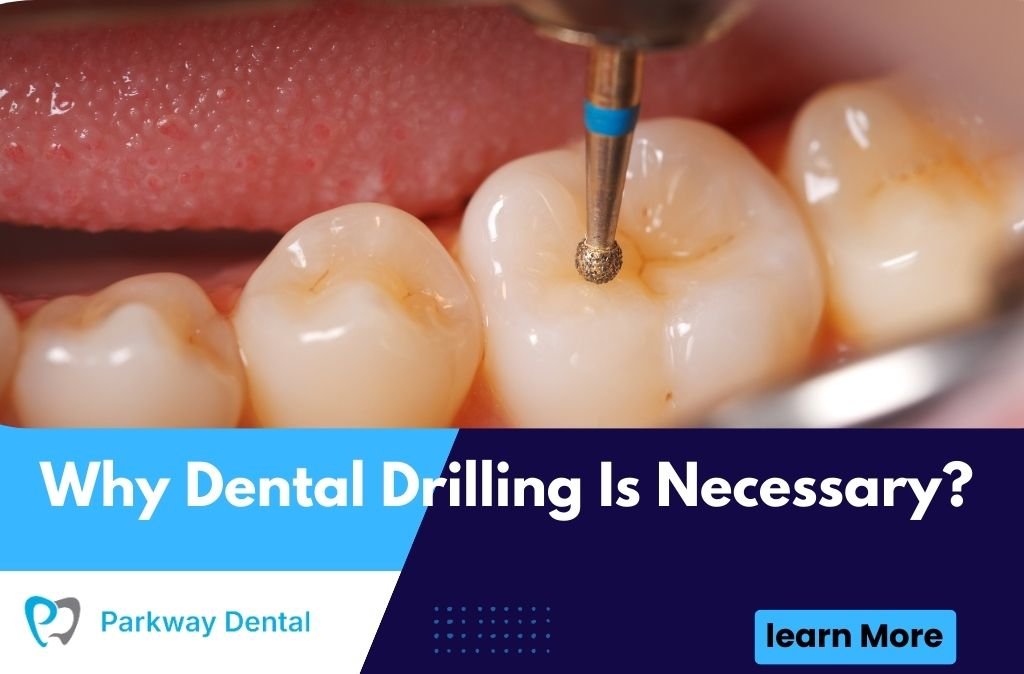
Dental drilling refers to the controlled removal of decayed, infected, or damaged tooth structure using a high-speed or slow-speed dental handpiece. This process allows dentists to eliminate harmful bacteria, shape the tooth for a restoration, and preserve as much healthy structure as possible. Although many patients associate drilling with discomfort, modern techniques use advanced anesthesia, precise rotary instruments, and minimally invasive protocols that greatly reduce sensitivity and treatment time. Dental drilling remains one of the most essential tools in restorative dentistry, ensuring long-lasting oral health.
How Dental Drills Work in Modern Dentistry
Modern dental drills use rotary burs that operate at extremely high speeds to efficiently remove decay. These burs come in various shapes and materials for precision cutting. Water coolant is used to prevent heat buildup, reducing discomfort and protecting the pulp. Compared to older hand tools, today’s electric and air-driven handpieces allow dentists to work with exceptional accuracy, preserving more healthy enamel and dentin. This combination of speed, control, and cooling makes drilling both safe and clinically effective.
Why Precision Matters in Tooth Preparation
Precision during drilling is critical because the tooth must be shaped properly for the restoration to succeed. Incorrect angles, inadequate removal of decay, or poor margins may lead to restoration failure or future decay. Clinicians use visual, tactile, and sometimes laser diagnostic tools to ensure they remove only infected tissue while conserving healthy enamel. Proper tooth preparation ensures the filling or crown adheres well, restores chewing strength, and reduces long-term complications.
Patient Safety and Modern Infection Control
Dental drilling follows strict infection-control protocols. Handpieces are sterilized or fitted with autoclavable components and anti-retraction valves that prevent cross-contamination. Water lines are monitored for microbial levels, and protective barriers are used throughout the procedure. These standards ensure that drilling is performed safely, minimizing the risk of bacterial transmission and keeping patients protected during every stage of treatment.
Why Dental Drilling Is Necessary for Tooth Decay Removal
Dental drilling is essential for removing infected enamel and dentin caused by bacterial activity. Once decay penetrates the tooth surface, it cannot be reversed simply through brushing or fluoride. The bacteria create a cavity that continues to grow, compromising tooth structure. Drilling removes this decayed tissue completely, preventing spread into the pulp and surrounding bone. Without drilling, the decay progresses, eventually requiring root canal therapy or extraction. Thus, drilling is crucial for stopping the disease process and restoring tooth function.
The Biology of Tooth Decay and Why Drilling Works
Tooth decay develops when acids from bacterial plaque demineralize enamel. Once a cavity forms, the structural damage becomes irreversible. The bacteria burrow deeper into dentin, which is softer and easier for decay to spread. Drilling physically removes these compromised tissues, halting the progression. No medication can eliminate decay; only mechanical removal ensures the cavity is completely cleared and ready for restoration. Drilling therefore protects the vitality of the tooth and prevents advanced infection.
Why Fillings Require Decay-Free Tooth Structure
Dental fillings bond best to clean, healthy enamel and dentin. If decay remains under a filling, bacteria continue multiplying, leading to recurrent caries and restoration failure. Drilling ensures that the underlying tooth surface is sound before placing a filling. This step prevents future breakdown, reduces sensitivity, and reinforces the tooth. Without this preparation, even the best filling material would fail prematurely, risking deeper infection.
Preventing Deeper Pulpal Infection Through Drilling
When decay reaches the pulp chamber, the nerve becomes inflamed or infected, causing pain. Drilling removes advancing decay before it approaches the pulp, preventing the need for root canal therapy. By intervening early, dentists preserve the natural tooth structure and avoid more invasive procedures. Timely drilling therefore plays a significant role in maintaining long-term oral health and preventing dental emergencies.
How Dental Drilling Prevents the Spread of Infection
Dental drilling not only removes existing decay but also stops infection from spreading to adjacent areas of the tooth or gum tissue. If left untreated, bacteria can infiltrate the pulp, periodontal structures, and even the bloodstream. Drilling eliminates the bacterial reservoir, sealing the tooth with a restorative material that prevents reinfection. This critical step protects oral and systemic health, reducing the risk of complications such as abscesses, bone loss, or widespread inflammation.
The Role of Drilling in Infection Control
During drilling, the dentist removes infected dentin that contains millions of bacteria. This prevents organisms from migrating deeper into the tooth or neighboring tissues. By clearing out this bacterial load, dentists restore the protective barrier that decay has compromised. This prevents abscess formation and systemic spread, especially in medically vulnerable patients. Drilling is therefore a clinically necessary step in infection control.
Preventing Recurrent Decay After Restoration
Imperfect decay removal can trap bacteria beneath a restoration. Over time, these bacteria continue destroying tooth structure, causing recurrent decay. Drilling ensures that all weakened or infected tissues are removed and that restoration margins are tight and well-sealed. This reduces the risk of future complications and increases restoration longevity.
Protecting the Tooth Pulp From Irreversible Damage
When decay is not adequately removed, it advances into the pulp chamber, resulting in irreversible pulpitis. This condition is painful and requires root canal therapy. Proper drilling prevents this progression by establishing a clean, stable foundation. It preserves pulp vitality whenever possible, a primary goal in modern conservative dentistry.
Dental Drilling and Cavity Preparation: Why Shape Matters
Dental drilling shapes the tooth to secure the filling or crown. Each restorative material—composite, amalgam, or ceramic—requires precise preparation design. The dentist ensures proper internal angles, depth, and margins so the restoration withstands chewing forces. Incorrect preparation increases the risk of fracture, leakage, or restoration failure. Proper cavity preparation is both a science and an art, ensuring long-term success.
Creating Space for Restorative Materials
Composite fillings require space for bonding and adequate material thickness. Crowns need circumferential reduction to allow for strength and aesthetics. Drilling ensures the restoration fits precisely without over-bulking the tooth. The correct shape improves durability, prevents fractures, and enhances appearance.
Designing Margins to Prevent Leakage
Margins are the junction between the restoration and natural tooth. Poorly prepared margins allow bacteria to infiltrate, causing recurrent decay. Dentists use specific burs to create smooth, sealed margins that enhance restoration lifespan. This is essential for both functional and aesthetic success.
Ensuring Proper Retention and Resistance Form
Cavity preparation must prevent the filling or crown from dislodging. Retention form holds the restoration in place, while resistance form prevents fracture. These principles guide drilling techniques, ensuring the restoration functions effectively under chewing pressure.
Why Modern Dentistry Uses High-Speed Drills
High-speed drills allow precise, efficient removal of tooth structure with minimal discomfort. They reduce treatment time, decrease vibration, and improve the accuracy of tooth preparation. With advanced turbine mechanisms and electric handpieces, modern drilling is safer and more controlled than ever. These innovations have transformed restorative dentistry by offering predictable, minimally invasive treatment.
Reduced Heat and Greater Comfort for Patients
High-speed drills use water coolant to avoid overheating the tooth, which reduces sensitivity and protects the pulp. Patients experience smoother cutting with less vibration compared to older instruments. This significantly improves comfort during treatment.
Enhanced Precision for Minimally Invasive Dentistry
High-speed rotary instruments remove only the necessary amount of tooth structure. They enable dentists to preserve enamel, reducing the need for extensive restorations. Precision drilling supports long-term tooth health by maintaining structural integrity.
Faster Procedures and Improved Efficiency
Modern drills allow dentists to work quickly without compromising quality. Reduced chair time improves patient comfort and enhances clinical workflow. This efficiency also helps minimize stress on the tooth and surrounding tissues.
Is Dental Drilling Necessary for All Cavities?
Not every lesion requires drilling; early enamel lesions may be treated with remineralization therapies. However, once decay penetrates dentin, drilling becomes necessary to remove infection. Dentists evaluate the depth, location, and activity of the lesion using radiographs and clinical assessment. Ignoring drilling when needed risks rapid cavity progression and complications.
When Remineralization Is Enough
Incipient enamel lesions can sometimes be reversed through fluoride, improved hygiene, and remineralizing agents. No drilling is needed if the enamel surface remains intact. The dentist carefully monitors lesion activity to ensure successful reversal.
When Drilling Becomes the Only Option
Once decay enters the dentin layer, remineralization is impossible. The lesion becomes irreversible, requiring drilling to remove infected tissues. Delaying treatment can result in pulp exposure, pain, and infection.
Assessing Cavity Depth With Radiographs
X-rays help determine whether drilling is required. They reveal interproximal decay, depth progression, and proximity to the pulp. These diagnostic tools ensure accurate treatment planning.
Dental Drilling vs. Drill-Free Alternatives
Laser dentistry, air abrasion, and chemical techniques offer alternatives to drilling in select cases. However, these methods cannot replace drilling entirely. They are ideal for shallow lesions or patients with dental anxiety. Drilling remains the gold standard for precision, speed, and effective decay removal.
Laser Dentistry as a Minimally Invasive Option
Lasers can remove early decay with minimal discomfort. They are most useful for small lesions but may not be effective for deep cavities. Lasers cannot shape tooth structure for fillings as precisely as drills.
Air Abrasion for Small Cavities
Air abrasion uses aluminum oxide particles to remove decayed enamel. It is comfortable and drill-free but limited to superficial decay. It cannot prepare teeth for crowns or larger restorations.
Limitations of Drill-Free Techniques
Alternative methods cannot achieve the precision and efficiency of rotary instruments. Deep decay, extensive cavities, and restorative preparation require drilling to ensure predictable outcomes.
Why Dental Drilling Helps Improve Treatment Longevity
Drilling ensures the tooth is clean, properly shaped, and ready to bond to restorative materials. This preparation prevents future failure, improves fit, and strengthens the overall structure. Long-term success of fillings, crowns, inlays, and onlays depends on proper drilling techniques.
Removing Weak Tooth Structure
Drilling eliminates unsupported enamel that could fracture later. Removing compromised structure ensures the restoration is placed on a stable foundation, reducing the risk of future breakage.
Improving Bonding Strength
Composite fillings bond best to freshly cut enamel and dentin. Drilling creates the ideal surface for adhesives, increasing restoration strength and reducing microleakage.
Creating Long-Term Stability for Crowns
Crown longevity depends on accurate preparation. Drilling ensures proper taper, length, and shape for retention. This maintains stability and prevents loosening or failure.
Pain Management and Comfort During Dental Drilling
Modern dentistry uses local anesthesia, sedation options, and advanced techniques to minimize discomfort during drilling. Most patients feel only mild vibration. For anxious individuals, dentists may offer nitrous oxide or oral sedation. Pain management ensures a comfortable, stress-free experience.
Local Anesthesia for Complete Numbness
Local anesthetics block nerve signals, ensuring zero pain during drilling. Dentists tailor dosage to patient needs, ensuring comfort and safety. Numbing agents take effect within minutes and last throughout the procedure.
Sedation Options for Anxious Patients
Sedation dentistry such as nitrous oxide or oral sedatives helps reduce fear and anxiety. These methods allow patients to remain calm and relaxed during drilling without general anesthesia.
Post-Operative Comfort and Care
After drilling, patients may experience mild sensitivity. Dentists provide aftercare instructions to reduce discomfort. Proper oral hygiene maintains restoration success and minimizes post-treatment irritation.
Risks of Avoiding Dental Drilling or Delaying Treatment
Avoiding necessary drilling allows decay to progress deeper into the tooth. As the infection spreads, patients experience increased pain, sensitivity, and functional problems. Delayed treatment often results in the need for more complex procedures, such as root canals or extractions.
Increased Risk of Root Canal Treatment
When decay reaches the pulp, infection becomes severe. Patients may require root canal therapy, which is more involved than a simple filling. Timely drilling prevents this escalation.
Tooth Loss Due to Structural Breakdown
Decay weakens tooth structure until it fractures or becomes unsalvageable. Without drilling, bacteria destroy the internal tooth layers, ultimately requiring extraction.
Spread of Oral Infection
Untreated cavities can lead to abscesses, bone loss, and systemic infection. Dental drilling eliminates the bacterial source, protecting both oral and overall health.
Conclusion
Dental drilling remains one of the most essential procedures in modern dentistry. It ensures complete decay removal, prevents infection, enhances restoration success, and preserves long-term oral health. Thanks to advanced technology and effective anesthesia, dental drilling today is precise, efficient, and far more comfortable than in the past. For a professional evaluation and personalized care plan, schedule your visit with a trusted Dentist in West Roxbury, MA and keep your smile healthy for years to come.