Experiencing jaw pain on one side can be both uncomfortable and concerning. Unlike bilateral jaw pain that affects both sides equally, unilateral jaw discomfort often signals specific underlying conditions that require attention. Understanding the causes, symptoms, and treatment options for one-sided jaw pain can help you determine when to seek professional dental care and how to find relief.
Table of Contents
Common Causes of One-Sided Jaw Pain
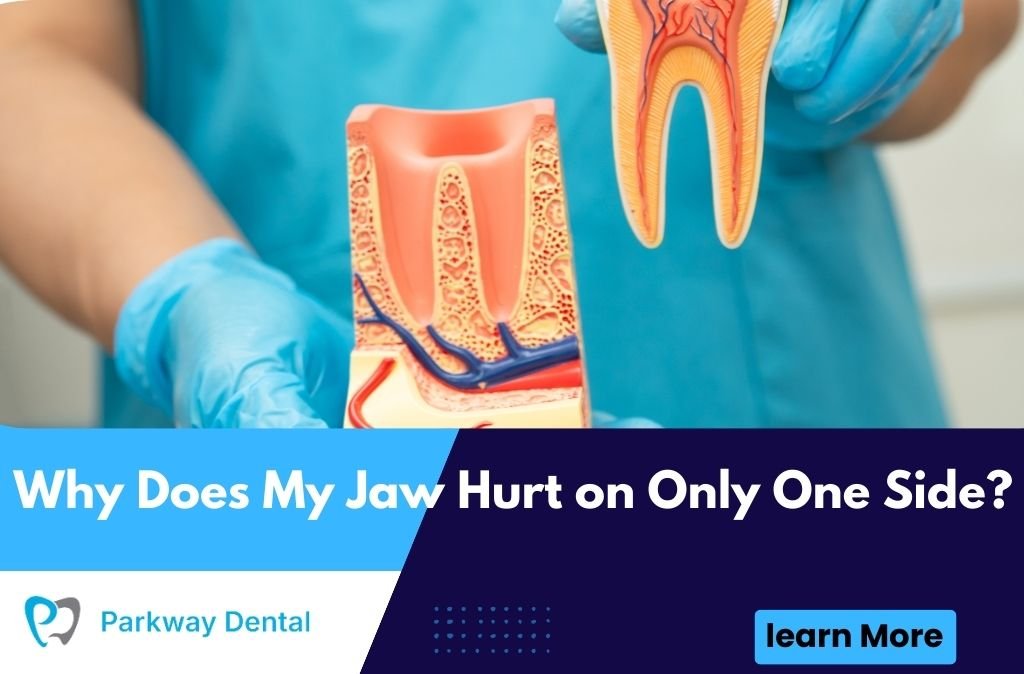
Several factors can contribute to jaw pain affecting only one side of your face. The temporomandibular joint (TMJ) connects your jawbone to your skull and functions like a sliding hinge on each side of your jaw. When problems develop with this joint or the surrounding muscles, pain often manifests on just one side.
TMJ disorders represent one of the most frequent causes of unilateral jaw discomfort. These conditions occur when the joint becomes misaligned, inflamed, or damaged, leading to pain that may radiate to the ear, neck, or shoulders. The cartilage disk that cushions the joint can slip out of position or become worn down, creating clicking sounds, difficulty chewing, and persistent aching on the affected side.
Dental issues frequently cause localized jaw pain as well. An abscessed tooth, impacted wisdom tooth, or severe cavity on one side can create intense discomfort that extends beyond the tooth itself to the entire jaw area. Gum disease in advanced stages may also contribute to jaw pain, particularly if infection has spread to the bone supporting your teeth.
Sinus infections present another common culprit for pain on the left side of face and jaw or the right side, depending on which sinus cavity is affected. The maxillary sinuses sit directly above your upper jaw, and when these become inflamed or infected, the pressure can create significant jaw discomfort that mimics dental pain.
Muscle-Related Jaw Pain
The masseter muscle, one of the primary muscles responsible for chewing, can become strained or overworked on one side. Masseter muscle pain on one side often results from teeth grinding (bruxism), jaw clenching, or favoring one side while chewing. This muscle tension creates a dull, aching sensation that may worsen throughout the day, especially during meals or stressful periods.
Myofascial pain syndrome affects the connective tissue surrounding muscles and can cause trigger points that refer pain to other areas. When these trigger points develop in the jaw muscles on one side, they create persistent discomfort that may feel like a deep ache or sharp stabbing sensation depending on muscle activation.
Physical trauma or injury to one side of the jaw, even from years past, can lead to chronic pain conditions. Previous fractures, dislocations, or direct blows to the jaw may create lasting changes in joint alignment or scar tissue formation that contributes to ongoing discomfort on the affected side.
Nerve-Related Causes
Trigeminal neuralgia, though less common, causes severe, shock-like facial pain that typically affects one side. This neurological condition results from irritation of the trigeminal nerve and creates sudden, intense episodes of pain that can be triggered by simple activities like brushing teeth, talking, or touching your face. The pain often affects the jaw and lower face on one side.
Pain under jaw bone left side or the right side might indicate salivary gland problems, particularly with the submandibular glands located beneath the jawbone. Salivary stones can block these glands, causing swelling, pain, and discomfort that intensifies during meals when saliva production increases.
Identifying the Source of Your Jaw Pain
Determining the exact cause of jaw hurts on one side requires careful attention to accompanying symptoms. TMJ disorders often present with clicking or popping sounds when opening your mouth, difficulty opening wide, and a jaw that seems to “catch” or lock temporarily. Pain typically worsens with jaw movement and may feel worse in the morning if you grind your teeth at night.
Dental-related pain usually responds to temperature changes, becoming more intense with hot or cold foods and beverages. If tapping on a specific tooth increases discomfort or you notice swelling in your gums, a dental issue likely contributes to your jaw pain. Sinus-related jaw pain often accompanies nasal congestion, facial pressure, and headaches that worsen when bending forward.
The location of your pain provides important clues. Pain concentrated near the ear suggests TMJ involvement, while discomfort along the lower jaw or beneath the jawbone might indicate dental issues, muscle tension, or salivary gland problems. Sore jaw on one side that radiates down the neck could stem from muscle strain or referred pain from cervical spine issues.
When to Seek Professional Dental Care in West Roxbury, MA
While some cases of jaw pain one side resolve with home care, certain symptoms warrant prompt professional evaluation. Seeking care from an experienced Dentist in West Roxbury, MA becomes essential when pain persists beyond a few days, intensifies rather than improves, or significantly interferes with eating, speaking, or sleeping.
Fever accompanying jaw pain suggests possible infection requiring immediate attention. Difficulty opening your mouth, severe swelling, or inability to close your teeth together properly indicates a more serious condition that needs urgent care. If you experience pain under jaw one side of the jaw along with difficulty swallowing or breathing, seek emergency medical attention immediately.
Restorative Dentistry offers comprehensive solutions for many causes of unilateral jaw pain. Advanced diagnostic imaging helps identify structural problems with the TMJ, dental infections, or bone abnormalities contributing to your discomfort. Treatment approaches may include custom night guards for bruxism, orthodontic corrections to improve jaw alignment, or specific dental procedures to address underlying tooth or gum problems.
Treatment Options and Home Care Strategies
Conservative treatment approaches often provide significant relief for one-sided jaw pain. Applying ice packs for 15-minute intervals during the first 48 hours can reduce inflammation and numb acute pain. After initial inflammation subsides, warm compresses help relax tense muscles and improve blood flow to promote healing.
Eating soft foods reduces stress on the jaw joint and muscles. Avoid hard, chewy, or crunchy foods that require extensive jaw movement. Cut food into small pieces and chew slowly, distributing the work evenly between both sides when possible. Limiting jaw movement by avoiding wide yawning, loud singing, or gum chewing allows inflamed tissues to recover.
Over-the-counter anti-inflammatory medications like ibuprofen can reduce pain and swelling, though these should be used as directed and not as a long-term solution without medical supervision. Stress reduction techniques including meditation, deep breathing exercises, and gentle jaw stretches may help if muscle tension contributes to your pain.
Professional treatments vary based on the underlying cause. Physical therapy specifically designed for TMJ disorders teaches exercises to strengthen jaw muscles, improve joint mobility, and reduce pain. Custom splints or night guards prevent teeth grinding and create optimal jaw positioning during sleep. In cases where dental problems contribute to jaw pain, procedures ranging from fillings to root canals or extractions may be necessary.
For chronic TMJ disorders that don’t respond to conservative treatment, additional options include corticosteroid injections to reduce joint inflammation, trigger point injections for muscle-related pain, or in severe cases, surgical interventions to repair or replace damaged joint components.
Conclusion
Understanding why your jaw hurts on only one side empowers you to take appropriate action and seek proper treatment. While many causes of unilateral jaw pain respond well to conservative home care and professional dental treatment, persistent or severe symptoms should never be ignored. The complex interaction between your temporomandibular joint, surrounding muscles, dental health, and nervous system means that accurate diagnosis is essential for effective treatment.
If you’re experiencing ongoing one-sided jaw pain, consulting with a dental professional can identify the specific cause and develop a personalized treatment plan to restore your comfort and jaw function. Early intervention often prevents more serious complications and helps you return to normal activities without pain or limitation.
Frequently Asked Questions
Should I be worried if my jaw hurts on one side?
One-sided jaw pain warrants attention but doesn’t always indicate a serious problem. If the pain is mild and resolves within a few days with rest and home care, it may result from minor muscle strain or temporary TMJ irritation. However, you should be concerned if pain persists beyond a week, progressively worsens, or accompanies fever, severe swelling, difficulty opening your mouth, or problems swallowing. These symptoms could indicate infection, serious TMJ dysfunction, or other conditions requiring professional treatment. When in doubt, consulting a dentist or physician ensures proper diagnosis and prevents potential complications.
How to relieve jaw pain during pregnancy?
Pregnancy-related jaw pain often results from hormonal changes that relax ligaments, including those supporting the TMJ, combined with increased stress and potential teeth grinding. To find relief, apply warm compresses to the affected area for 15-20 minutes several times daily. Practice gentle jaw stretches by slowly opening and closing your mouth, and perform self-massage on the jaw muscles using circular motions. Maintain good posture to reduce neck and jaw strain, especially important as your center of gravity shifts. Eat soft foods to minimize jaw stress, and if grinding occurs, discuss pregnancy-safe options for a night guard with your dentist. Prenatal yoga and relaxation techniques can reduce overall tension contributing to jaw discomfort.
What is the 3 finger test for jaw?
The 3 finger test is a simple assessment to evaluate your mouth’s range of motion and potential TMJ dysfunction. To perform this test, stack your index, middle, and ring fingers vertically and attempt to place them between your upper and lower front teeth when your mouth is open as wide as comfortably possible. If you can fit all three fingers (approximately 40-50mm opening) without significant pain or difficulty, your jaw mobility is generally considered normal. If you cannot accommodate three fingers comfortably, this suggests limited range of motion potentially indicating TMJ disorder, muscle tightness, or joint inflammation. While this test provides useful information, it shouldn’t replace professional evaluation, especially if you’re experiencing ongoing jaw pain or dysfunction.
Can TMJ cause vomiting?
Yes, TMJ disorders can potentially cause nausea and vomiting in some individuals, though this is not a common symptom. The connection occurs through several mechanisms. Severe TMJ pain can trigger the body’s stress response, leading to nausea. The trigeminal nerve, which is intimately involved with TMJ function, also connects to areas of the brain that control nausea and vomiting reflexes. Additionally, TMJ dysfunction can affect the inner ear’s vestibular system, potentially causing dizziness and nausea similar to motion sickness. Some people experience referred pain that affects their ability to eat normally, leading to digestive upset. If you’re experiencing both TMJ symptoms and persistent nausea or vomiting, consult a healthcare provider to rule out other conditions and receive appropriate treatment for both issues.
What are the first signs of TMJ nerve damage?
Early signs of TMJ-related nerve damage include altered sensation in your jaw, face, or tongue, such as numbness, tingling, or a “pins and needles” feeling. You might experience increased sensitivity to touch in the affected area or conversely, reduced ability to feel normal sensations. Shooting or burning pain that radiates along specific nerve pathways rather than generalized aching suggests nerve involvement. Muscle weakness on one side of your jaw, difficulty controlling jaw movements precisely, or involuntary muscle twitching can indicate nerve compromise. Changes in taste or hearing, particularly ringing in the ears (tinnitus), may occur if the nerve damage affects structures near the TMJ. If you notice any of these symptoms, seek prompt evaluation from a dentist or TMJ specialist, as early intervention often prevents permanent nerve damage and improves treatment outcomes.