Walking into a dental office for a procedure can feel intimidating, especially when you’re uncertain about what the treatment involves or how it will feel. Knowledge dispels fear, and understanding common dental procedures helps you approach appointments with confidence rather than anxiety. Modern dentistry has evolved dramatically, with advanced techniques, improved anesthetics, and patient-comfort technologies making treatments more effective and comfortable than ever before. Whether you’re facing your first filling or preparing for a more complex procedure, knowing what to expect during and after treatment empowers you to make informed decisions about your oral health.
Table of Contents
Understanding the Importance of Dental Procedures
Dental procedures serve essential purposes beyond simply fixing teeth they prevent pain, restore function, protect overall health, and preserve your natural smile. When dental problems go untreated, they typically worsen over time, often requiring more extensive and expensive interventions later. A small cavity caught early needs only a simple filling, but that same cavity left untreated can progress to require root canal therapy, crown placement, or even tooth extraction.
Modern dentistry emphasizes minimally invasive treatments that preserve as much natural tooth structure as possible while effectively addressing problems. Advanced diagnostic tools like digital X-rays and intraoral cameras allow dentists to detect issues in their earliest stages, often before patients experience any symptoms. Understanding common procedures helps you appreciate why your dentist recommends specific treatments and what benefits they provide for your long-term oral health.
The procedures discussed in this article represent the most frequently performed dental treatments, collectively addressing the vast majority of oral health issues people encounter. Familiarizing yourself with these common interventions reduces anxiety and helps you prepare appropriately for appointments.
Dental Fillings: Repairing Cavity Damage
Dental fillings remain the most common restorative procedure performed in dental offices, addressing tooth decay by removing damaged tissue and filling the resulting space with durable materials. When bacteria produce acids that erode tooth enamel, cavities form, creating holes that compromise tooth structure and cause sensitivity or pain. Fillings restore teeth to normal function and prevent further decay from spreading deeper into the tooth.
The filling procedure begins with your dentist administering local anesthesia to numb the affected area, ensuring you feel no pain during treatment. Using specialized instruments or laser technology, they carefully remove all decayed tissue, thoroughly cleaning the cavity to eliminate bacteria. After preparing the tooth, your dentist fills the space with composite resin (tooth-colored material), amalgam (silver filling), or occasionally gold or porcelain depending on the cavity’s location and your preferences.
What to Expect During and After Filling Placement
Modern composite fillings can be completed in a single appointment lasting 30 minutes to an hour, depending on cavity size and location. You’ll feel pressure during the procedure but no pain thanks to local anesthesia, which typically wears off within two to four hours. Your dentist applies the filling material in layers, using a special curing light to harden each layer before adding the next, then shapes and polishes the final restoration to match your natural tooth contours.
After your appointment, avoid eating until numbness completely subsides to prevent accidentally biting your cheek or tongue. Some sensitivity to temperature or pressure is normal for a few days following filling placement, but persistent pain or sensitivity lasting beyond a week warrants follow-up evaluation. With proper care, modern fillings can last 10-15 years or longer before requiring replacement.
Root Canal Therapy: Saving Infected Teeth
Despite their fearsome reputation, root canal procedures actually relieve pain rather than causing it, saving severely infected or damaged teeth that would otherwise require extraction. When decay or trauma allows bacteria to reach the tooth’s pulp—the soft tissue containing nerves and blood vessels infection develops, causing intense pain, abscess formation, and potential bone damage. Root canal therapy removes infected tissue, disinfects the tooth’s interior, and seals it to prevent reinfection while preserving the natural tooth structure.
Your dentist or endodontist (root canal specialist) begins by administering local anesthesia and placing a rubber dam around the tooth to keep it dry and isolated. They create a small opening in the tooth’s crown, accessing the pulp chamber and root canals within. Using specialized files and irrigation solutions, they meticulously remove all infected tissue, shape the canals, and thoroughly disinfect the interior spaces.
The Root Canal Process and Recovery
Most root canal procedures require one to two appointments, each lasting 60-90 minutes depending on tooth location and complexity. Modern techniques and effective anesthesia make root canals no more uncomfortable than receiving a standard filling. During treatment, you’ll feel pressure and movement but shouldn’t experience pain. If you do, your dentist can administer additional anesthesia to ensure your comfort.
After cleaning and shaping the canals, your dentist fills them with a biocompatible rubber-like material called gutta-percha, then seals the access opening with temporary or permanent filling material. Most teeth requiring root canals need crown placement afterward to protect the weakened tooth structure and restore full function. Expect mild soreness for several days following treatment, easily managed with over-the-counter pain relievers. Successfully treated teeth can last a lifetime with proper care and protection.
Dental Crowns: Restoring Damaged Teeth
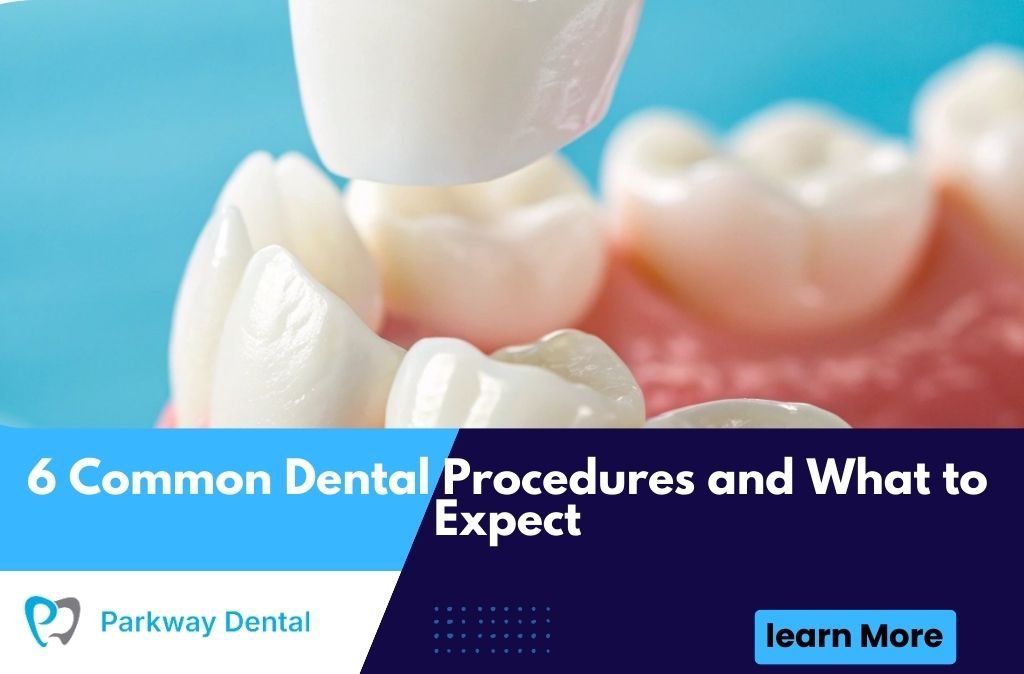
Dental crowns, often called caps, completely cover damaged, weakened, or severely decayed teeth, restoring their shape, strength, appearance, and function. Crowns protect teeth that have undergone root canal therapy, repair extensively broken or cracked teeth, cover dental implants, or improve cosmetic appearance when teeth are severely discolored or misshapen. These versatile restorations can last 15-30 years with proper maintenance.
The crown placement process typically requires two appointments spanning two to three weeks. During your first visit, your dentist numbs the area and prepares the tooth by removing decay and shaping it to accommodate the crown. They take detailed impressions or digital scans of the prepared tooth and surrounding teeth, which a dental laboratory uses to fabricate your custom crown. Your dentist places a temporary crown to protect the prepared tooth while your permanent restoration is being made.
Crown Placement and Adjustment
At your second appointment, your dentist removes the temporary crown, checks the fit and appearance of your permanent crown, and makes any necessary adjustments before permanently cementing it in place. Modern crowns made from porcelain, ceramic, or zirconia closely match natural teeth in color and translucency, making them virtually indistinguishable from your original teeth.
You may experience minor sensitivity immediately after crown placement, but this typically resolves within a few days. Your new crown functions exactly like a natural tooth, requiring the same brushing, flossing, and regular dental care. Avoid chewing extremely hard foods like ice or hard candy, which can damage crowns just as they damage natural teeth. Contact your dentist if your crown feels loose, causes pain, or if the gum around it becomes swollen or irritated.
Tooth Extractions: Removing Problematic Teeth
While dentists prioritize preserving natural teeth whenever possible, certain situations necessitate tooth extraction to protect your overall oral health. Teeth requiring removal include those with severe decay beyond repair, advanced gum disease causing excessive mobility, problematic wisdom teeth causing pain or crowding, fractured teeth beyond restoration, or teeth blocking orthodontic treatment. Simple extractions can be performed in your general dentist’s office, while complex cases may require referral to an oral surgeon.
Before extracting a tooth, your dentist administers local anesthesia to numb the area completely. For simple extractions, they gently loosen the tooth using specialized instruments, then carefully remove it from its socket. You’ll feel pressure during this process but no pain. More complex extractions involving impacted wisdom teeth or teeth with curved roots may require sedation and surgical techniques, including creating gum incisions and potentially removing small amounts of bone.
Post-Extraction Care and Healing
Immediately following extraction, your dentist places gauze over the socket and instructs you to bite down firmly to control bleeding and promote clot formation. Blood clot formation is crucial for proper healing. This natural protective barrier covers exposed bone and nerves while healing progresses. Plan for 24-48 hours of rest following extraction, avoiding strenuous activity that could dislodge the clot.
Expect mild to moderate discomfort for several days, manageable with prescribed or over-the-counter pain medication. Swelling typically peaks 48-72 hours after extraction, then gradually subsides. Follow your dentist’s instructions carefully: avoid smoking, drinking through straws, or vigorous rinsing for at least 72 hours, as these actions can dislodge the protective clot and cause painful dry socket complications. Most extraction sites heal completely within two to three weeks, though complete bone remodeling takes several months.
Teeth Whitening: Brightening Your Smile
Professional teeth whitening remains one of the most popular cosmetic dental procedures, safely and effectively removing stains and discoloration to create a brighter, more youthful smile. While over-the-counter whitening products provide modest results, professional treatments administered or supervised by dentists deliver dramatic improvements through higher-concentration bleaching agents and customized application methods that protect gums and sensitive tissues.
Dentists offer two primary whitening approaches: in-office treatments providing immediate results and take-home kits for gradual whitening. In-office procedures use powerful bleaching gels activated by special lights or lasers, brightening teeth several shades in a single 60-90 minute appointment. Your dentist protects your gums with barriers, applies the whitening gel to teeth, and may use light or heat to enhance the bleaching process through multiple 15-20 minute application cycles.
Professional Whitening Options and Results
Take-home whitening kits utilize custom-fitted trays created from impressions of your teeth, ensuring even gel distribution and preventing gum irritation. You wear these trays filled with professional-grade whitening gel for specified periods typically 30 minutes to several hours daily or overnight over one to two weeks until achieving desired results. This gradual approach often produces natural-looking outcomes with less tooth sensitivity than in-office treatments.
Most patients experience temporary tooth sensitivity during and immediately after whitening treatments, typically resolving within a few days. Avoid consuming staining substances like coffee, tea, red wine, and tobacco for at least 48 hours after treatment to maximize and prolong results. Professional whitening effects last from several months to several years depending on your dietary habits and oral hygiene practices, with periodic touch-up treatments maintaining your brightened smile.
Dental Cleanings: Preventive Foundation
Professional dental cleanings, though not technically “procedures,” represent essential preventive care that removes plaque and tartar accumulation beyond your daily brushing and flossing reach. Regular cleanings every six months prevent cavities and gum disease, the two most common oral health problems affecting adults. During your cleaning appointment, a dental hygienist uses specialized instruments to remove hardened tartar (calculus) from tooth surfaces and below the gum line, areas where bacteria accumulate and cause inflammation.
The cleaning process begins with examination to assess your oral health status and identify areas requiring extra attention. Your hygienist then scales away tartar deposits using manual instruments or ultrasonic devices that vibrate plaque loose. After removing all deposits, they polish your teeth with gritty toothpaste that removes surface stains and smooths enamel, making it harder for plaque to accumulate before your next cleaning.
Deep Cleaning for Gum Disease
Patients with gum disease often require deep cleanings called scaling and root planing, which extend below the gum line to remove bacteria and smooth root surfaces, allowing gums to reattach to teeth. This therapeutic procedure may require local anesthesia and is typically completed over multiple appointments, treating different mouth sections at each visit. Deep cleanings effectively halt gum disease progression when combined with improved home care and regular maintenance cleanings.
Most patients find routine cleanings comfortable and even relaxing, though areas with significant tartar buildup or gum inflammation may feel sensitive during treatment. Professional cleanings typically last 30-60 minutes, leaving your mouth feeling fresh and your teeth smooth. Maintaining your six-month cleaning schedule prevents minor issues from becoming major problems requiring more extensive treatment.
Conclusion
Understanding these six common dental procedures, fillings, root canals, crowns, extractions, teeth whitening, and professional cleanings demystifies dental care and helps you approach treatments with realistic expectations and reduced anxiety. Modern dentistry prioritizes patient comfort through effective anesthesia, gentle techniques, and clear communication throughout every procedure. While no one enjoys needing dental work, these interventions preserve your oral health, prevent complications, and maintain your quality of life by ensuring you can eat, speak, and smile confidently.
Remember that every patient’s experience varies based on individual factors like pain tolerance, anxiety levels, and specific dental conditions. Don’t hesitate to discuss concerns with your dentist before any procedure. They can explain exactly what will happen, offer additional comfort measures, and adjust treatment plans to meet your needs. Regular preventive care through professional cleanings and home hygiene dramatically reduces your likelihood of requiring extensive dental procedures. If you’re experiencing dental problems or haven’t visited a dentist recently, schedule a comprehensive examination with a Dentist in West Roxbury, MA who can assess your oral health and recommend appropriate treatments. Investing in your dental health today prevents painful, costly complications tomorrow while ensuring your smile remains healthy and beautiful for years to come.
Frequently Asked Questions
How can I manage dental anxiety before procedures?
Communicate your fears with your dentist—many offer sedation options ranging from nitrous oxide (laughing gas) to oral sedatives or IV sedation for anxious patients. Listening to music through headphones, practicing deep breathing, and scheduling morning appointments when you’re less likely to build anticipatory anxiety also help manage dental fear effectively.
Are dental procedures covered by insurance?
Coverage varies by plan, but most dental insurance covers preventive procedures like cleanings and X-rays at 100%, basic procedures like fillings at 70-80%, and major procedures like crowns or root canals at 50%. Always verify coverage with your insurance provider before treatment and discuss payment plans if needed.
How long do common dental procedures take?
Simple fillings typically require 30-60 minutes, while root canals take 60-90 minutes per appointment. Crown preparation and placement each take about an hour, scheduled two to three weeks apart. Tooth extractions range from 20 minutes for simple cases to over an hour for complex surgical extractions.
What should I eat after dental procedures?
Stick to soft, cool foods like yogurt, smoothies, mashed potatoes, and soup immediately after procedures involving anesthesia or extraction. Avoid hot foods until numbness completely subsides, and skip hard, crunchy, or chewy foods for 24-48 hours following most procedures to protect treatment areas and allow proper healing.
When should I call my dentist after a procedure?
Contact your dentist immediately if you experience severe pain uncontrolled by prescribed medication, excessive bleeding, signs of infection like fever or pus, allergic reactions, or if restorations like fillings or crowns become loose or fall out. Minor sensitivity typically resolves within days but persistent symptoms warrant professional evaluation.