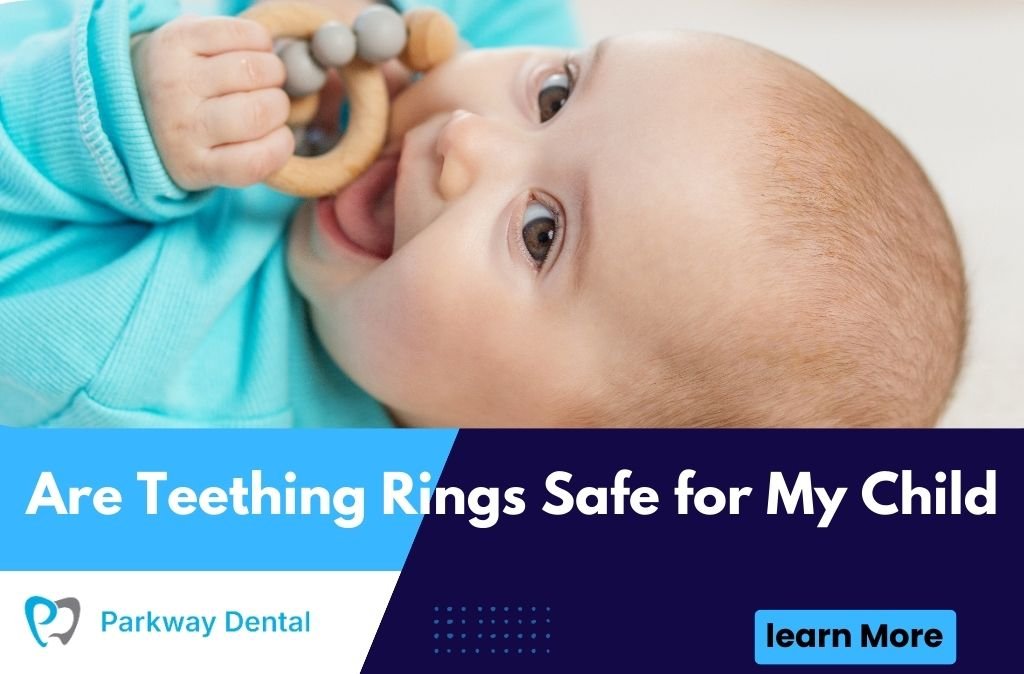
Teething is one of the most uncomfortable stages for babies and one of the most stressful for parents. When your little one starts drooling, gnawing on everything, and crying at night, reaching for a teething ring feels like the most natural solution. But are all teething rings truly safe? The answer is yes, most are safe when chosen and used correctly, but not every product on the shelf meets today’s safety standards. Here’s everything you need to know.
Table of Contents
Why Babies Need Something to Chew On During Teething
Babies chew to relieve gum pressure, reduce inflammation, satisfy oral exploration urges, soothe pain naturally, and protect household items from tiny teeth.
Natural Pressure Relief
Emerging teeth create pressure under the gums. Counter-pressure from biting eases soreness the same way pressing a bruise temporarily reduces pain.
Soothing Inflamed Gums
Gums become swollen and tender weeks before a tooth erupts. Firm, cool surfaces massage the tissue and reduce inflammation naturally.
Developmental Oral Exploration
Between 4 and 12 months, babies explore the world by mouthing objects. Teething rings satisfy this instinct safely when chosen properly.
Distraction from Discomfort
The act of chewing releases endorphins and shifts focus away from pain, often calming fussiness and improving sleep.
Preventing Damage to Household Items
Without safe alternatives, babies chew on crib rails, remote controls, or fingers, risking splinters, bacteria, or injury.
Common Types of Teething Rings Available Today
Silicone, natural rubber, water/gel-filled, wooden, textured fabric, and multi-sensory teethers with rattles offer safe, varied textures for soothing sore gums effectively.
Silicone Teething Rings
Food-grade, BPA-free silicone is flexible yet durable, dishwasher-safe, and free of phthalates, PVC, and lead. The top choice of most pediatric dentists.
Natural Rubber Teething Rings
Made from sustainable hevea tree rubber, these are biodegradable and free of synthetic chemicals. Look for brands that avoid nitrosamines.
Water-Filled or Gel-Filled Teething Rings
These can be chilled in the refrigerator (never freezer) for extra cooling. Choose models with double-sealed seams to prevent leaks.
Textured Fabric or Wooden Teething Toys
Organic cotton or untreated maple wood rings offer different sensations. Wood must be unfinished and regularly inspected for splintering.
Combination Teethers with Rattles or Attachments
Multi-sensory toys keep babies entertained longer but increase choking risk if small parts detach. Always check age recommendations.
Safety Features Every Parent Should Check Before Buying
Choose BPA/phthalate-free, CPSC/ASTM-compliant, one-piece or double-sealed designs with no small parts and minimum 1.75-inch diameter to prevent choking hazards.
BPA, Phthalate, PVC, and Lead-Free Certification
These chemicals are linked to developmental issues. Reputable brands display third-party lab test results on packaging or websites.
One-Piece Construction or Secure Seams
Avoid liquid-filled teethers with visible weak seams that can burst and cause choking or bacterial growth.
Appropriate Size and Shape
The ring should be large enough that a baby cannot fit the entire toy into their mouth (minimum 1.75–2 inches in diameter).
No Small Detachable Parts
Rattles, beads, or clips that can break off pose an immediate choking hazard once babies can pull hard.
CPSC and ASTM Compliance
Look for labels stating the product meets U.S. Consumer Product Safety Commission and ASTM F963 toy safety standards.
Biggest Safety Risks and How to Avoid Them
Risks: freezing injuries, mold in liquid teethers, choking from broken pieces, chemicals, strangulation necklaces. Avoid by refrigerating only, inspecting regularly, buying certified brands.
Freezer-Related Injuries
Placing any teether in the freezer can make it rock-hard, risking gum lacerations or bruising. Refrigerate only, aiming for cool, not frozen.
Mold and Bacterial Growth in Liquid-Filled Teethers
Tiny punctures allow saliva and water to mix, creating a perfect breeding ground for mold. Inspect weekly and discard at first sign of cloudiness.
Choking from Broken Pieces
Over time, aggressive chewing can crack plastic or separate glued sections. Replace immediately if damage appears.
Chemical Leaching from Low-Quality Plastics
Cheap imports may contain harmful plasticizers. Stick to trusted brands sold at reputable retailers.
Strangulation Risk from Teether Necklaces
Amber teething necklaces and similar products are not recommended by the AAP or FDA due to choking and strangulation dangers.
Best Practices for Using Teething Rings Safely Every Day
Supervise always, clean after each use, rotate and inspect weekly, refrigerate (never freeze), discard damaged items, and limit overnight pacifier-style teether use.
Always Supervise Playtime
Never leave a baby unattended with any teether, even if marketed as “safe for independent play.”
Clean After Each Use
Wash silicone or rubber teethers with warm soapy water or in the dishwasher top rack. Wooden ones wipe with damp cloth and air-dry.
Rotate and Inspect Regularly
Have several teethers in rotation so you can spot wear early. Throw away anything sticky, discolored, or damaged.
Refrigerate, Don’t Freeze
Place in a clean zip bag in the refrigerator for 20–30 minutes before use. Cool relieves pain; frozen can harm delicate gums.
Limit Pacifier-Style Teethers Overnight
Extended use while sleeping increases ear infection and dental misalignment risk after age two.
Natural Alternatives and Complementary Relief Methods
Chilled washcloths, silicone finger brushes, on-demand breastfeeding, gentle gum massage, and cold fruit in mesh feeders provide safe, chemical-free teething comfort.
Chilled Washcloths
A knotted, damp organic washcloth straight from the fridge is free, replaceable, and effective.
Silicone Finger Brushes
Massage gums directly while introducing oral hygiene habits early.
Breastfeeding or Bottle on Demand
Sucking motion provides comfort and releases natural pain-relieving hormones.
Gentle Gum Massage
Clean adult finger gently rubbing the sore area often calms babies instantly.
Cold Fruit in Mesh Feeders
For babies over 6 months, chilled banana or watermelon pieces in a mesh bag offer nutrition plus relief.
When to Contact a Professional About Teething Concerns
Seek help for fever over 100.4°F, severe rash/diarrhea, persistent refusal to eat, unusual swelling, or schedule first dental visit by age one.
Fever Above 100.4°F (38°C)
High fever is not caused by teething. It signals possible infection requiring medical attention.
Diarrhea, Rash, or Prolonged Crying
These symptoms are no longer attributed to teething alone. Consult your pediatrician.
First Dental Visit Timing
The American Academy of Pediatric Dentistry recommends a checkup by age 1 or within 6 months of the first tooth.
Unusual Swelling or Bleeding
Large hematomas or cysts can form ahead of erupting teeth and may need monitoring.
Persistent Refusal to Eat
Extreme pain can indicate infection or another underlying issue needing evaluation.
Conclusion
Teething rings are not only safe, they are one of the most effective, parent-approved tools for relieving discomfort during this challenging phase, provided you choose high-quality, certified products and follow basic safety guidelines. By sticking to reputable brands, supervising use, cleaning properly, and avoiding the freezer, you can help your baby sail through teething with minimal tears.
If you’re ever unsure about a specific teether or your child’s symptoms seem severe, don’t hesitate to reach out for professional guidance. The team at your local Dental Office in West Roxbury, MA is always happy to examine little gums, recommend the safest products, and ensure your baby’s first dental experience is positive and stress-free. A trusted pediatric dentist can make all the difference in keeping those tiny smiles healthy from the very first tooth.