Dental implants have become one of the most trusted and long-lasting solutions for replacing missing teeth. Their ability to restore bite strength, appearance, and confidence makes them a popular option among patients who want a permanent alternative to dentures or bridges. However, not everyone is automatically a candidate for implants. Factors such as bone quality, gum health, medical history, and lifestyle habits all play a role in determining suitability.
This detailed guide explains everything you need to know to understand whether dental implants are right for you.
What Makes Dental Implants a Preferred Tooth-Replacement Option?
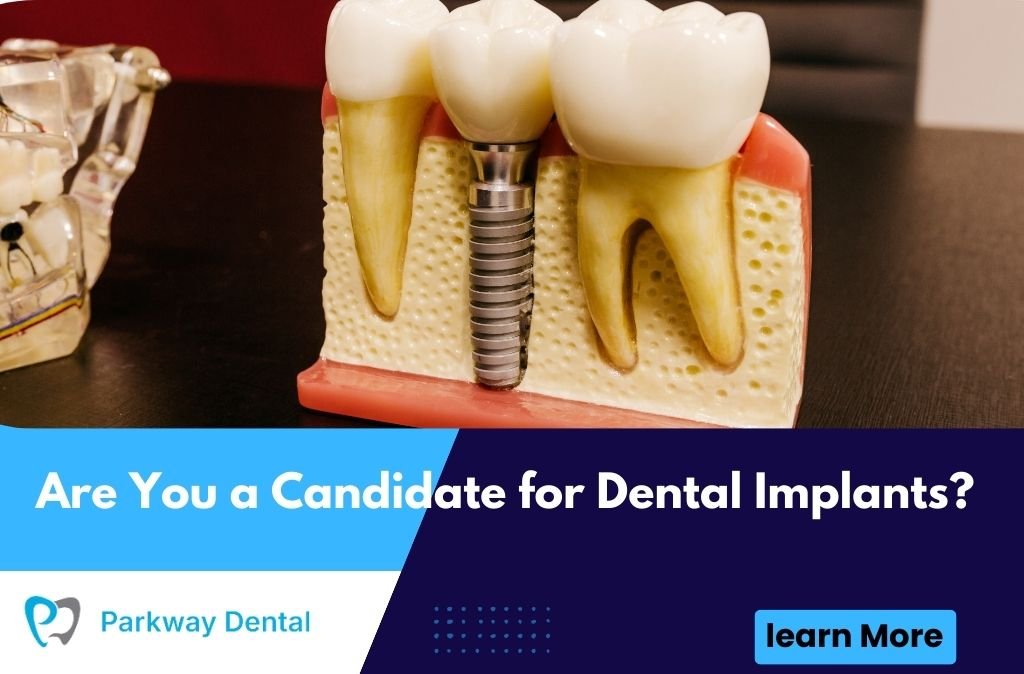
Dental implants mimic natural teeth in strength, function, and appearance. They integrate with the jawbone to replace the missing tooth root, offering unmatched stability and durability. For many people, implants become the closest replacement to having natural teeth again.
Implants Restore Strong Chewing and Functionality
A major benefit of dental implants is their strong bite force. Because they fuse with the jawbone, they provide stability for chewing tough foods, improving daily comfort and overall oral function. This strength makes them more reliable than traditional dentures or removable restorations.
Implants Prevent Bone Loss in the Jaw
When a tooth is missing, the jawbone begins to shrink due to lack of stimulation. Dental implants prevent this by acting as artificial roots, triggering the natural bone-preserving process. This helps maintain facial structure and reduces premature aging caused by bone loss.
Implants Offer Natural-Looking Aesthetics
Implants support custom crowns that blend seamlessly with surrounding teeth. Their appearance closely imitates natural enamel, improving your smile’s symmetry and confidence. Most people cannot distinguish implants from real teeth.
General Requirements for Being a Candidate for Dental Implants
Certain foundational requirements determine whether a patient qualifies for implants. These include bone density, gum health, and overall medical stability. Meeting these qualifications increases the long-term success rate of implant treatment.
Healthy Gums Are Essential for Implant Success
Patients must have healthy gums with no active gum disease. Infection or inflammation around the implant site can affect healing and lead to implant failure. Gum therapy may be necessary before implant placement to ensure long-term stability.
Adequate Bone Density Supports Implant Placement
Implants need strong jawbone support to anchor securely. If bone levels are low, options like bone grafting or sinus lifts may be recommended. With proper preparation, even patients with moderate bone loss can become good implant candidates.
Adults With Fully Developed Jawbones Qualify Best
Implants are typically recommended for adults because their jawbones have finished developing. Children and teens are not considered candidates until growth is complete, preventing future complications.
Are You Missing One or More Teeth?
The most common reason for implant treatment is missing teeth. Whether due to decay, trauma, or gum disease, implants provide a long-lasting solution that restores both function and appearance.
Single-Tooth Replacement Restores Natural Balance
If you are missing one tooth, a single implant topped with a crown can replace it without affecting nearby teeth. This is a healthier alternative to dental bridges, which require altering surrounding tooth structure.
Multiple Missing Teeth Can Be Restored With Bridges or Dentures
For patients missing several teeth, implant-supported bridges or dentures offer excellent stability and comfort. These restorations eliminate slipping, improve chewing, and enhance overall aesthetics.
Full-Arch Replacement Is Possible With Advanced Options
Treatments like All-on-4 dental implants allow complete arch restoration using fewer implants. This option offers strong support for full dentures and significantly improves bite strength and daily comfort.
Medical Conditions That Influence Implant Eligibility
Your overall health plays an important role in determining suitability for implants. Certain conditions do not automatically disqualify you but must be assessed carefully.
Controlled Diabetes Allows Safe Implant Placement
Patients with well-managed diabetes can safely receive implants, though healing may be slightly slower. Uncontrolled diabetes increases infection risk and must be stabilized before treatment begins.
Heart Conditions Require Special Precautions
Patients with cardiovascular issues may still receive implants after medical clearance. Your dentist works closely with your physician to ensure safe treatment planning and proper medication management.
Autoimmune Disorders May Affect Healing
Conditions such as lupus, rheumatoid arthritis, or conditions requiring immune-suppressing medications may impact healing. Each case is evaluated individually to determine implant success probability.
Lifestyle Factors That Affect Dental Implant Success
Certain habits can influence implant healing and long-term performance. Identifying these lifestyle factors helps your dentist choose the safest, most effective treatment approach.
Smoking Increases the Risk of Implant Failure
Nicotine restricts blood flow, making it harder for the bone and surrounding tissues to heal. Smokers may require additional testing, stricter care routines, or smoking cessation before receiving implants.
Teeth Grinding Can Impact Implant Stability
Bruxism exerts excessive force on implants, which can affect healing. Nightguards or bite adjustments help protect the restoration and improve long-term success.
Poor Oral Hygiene Leads to Infection Risk
Clean, healthy gums are essential before and after implant placement. Patients must commit to brushing, flossing, and regular dental visits to ensure the implant remains free of infection.
Age-Related Considerations for Dental Implants
Implants are suitable for a wide range of ages, from young adults to seniors. Age alone is not a disqualifying factor—overall health and bone condition matter more.
Young Adults Benefit From Long-Term Durability
Young adults appreciate that implants can last decades with proper care. Because their bone structure is stable, they often experience predictable healing and strong long-term outcomes.
Middle-Aged Adults Seek Functional and Cosmetic Benefits
This age group often chooses implants to replace teeth lost due to decay or old restorations. Implants provide a dependable and attractive solution, improving daily comfort and confidence.
Seniors Can Still Qualify With Good Health
Many seniors mistakenly believe they’re too old for implants. In reality, healthy seniors with adequate bone support often achieve excellent results, making implants a reliable option for tooth replacement at any age.
Conditions That May Require Additional Procedures Before Implant Placement
Even if you are not immediately ready for implants, preparatory procedures can help improve candidacy and ensure long-term success.
Bone Grafting Helps Patients With Jawbone Loss
When bone density is too low for implants, bone grafting can rebuild the foundation. This improves stability and increases the success rate of future implant placement.
Sinus Lifts Create Space for Upper Implants
For patients needing implants in the upper back jaw, a sinus lift may be necessary to create adequate height and support. This procedure ensures implants stay secure in the long term.
Gum Treatment Resolves Infection Before Surgery
If gum disease is present, scaling, root planing, or periodontal therapy prepares the gums for implants. Healthy gums are vital for successful healing and implant stability.
Are You Looking for a Permanent Alternative to Dentures or Bridges?
Many people seek implants because removable dentures or traditional bridges do not meet their lifestyle needs. Implants offer stronger, more stable, and more comfortable solutions.
Implants Prevent the Slipping Common With Dentures
Unlike removable dentures, implants stay fixed in place and eliminate shifting while eating or speaking. This stability increases comfort and confidence in everyday activities.
Implants Do Not Require Altering Adjacent Teeth
Traditional bridges require grinding down nearby healthy teeth. Implants preserve natural tooth structure, making them a healthier and more conservative replacement option.
Implants Offer Better Long-Term Value Than Removable Options
While implants may cost more initially, their durability makes them more cost-efficient over time. They rarely require replacement and help maintain jawbone health, which dentures cannot do.
Evaluating Emotional and Lifestyle Readiness
Beyond physical qualifications, emotional readiness is also important. Successful implant treatment requires patience and commitment to aftercare.
You Must Be Comfortable With a Multi-Step Treatment Plan
Implants often require several months of treatment, from placement to final restoration. Patients who understand and accept this timeline typically experience better satisfaction.
You Should Have Realistic Expectations About the Results
Implants restore function and appearance beautifully, but healing takes time. Understanding the process helps ensure positive outcomes and long-term comfort.
Long-Term Maintenance Commitment Is Necessary
Daily brushing, flossing, and routine dental visits protect the implant and surrounding tissues. Patients must be prepared to maintain excellent oral hygiene for life.
The Dental Implant Consultation: What to Expect
A comprehensive consultation determines whether you meet all the criteria for implant candidacy. This appointment includes examinations, imaging, and a discussion of your goals.
A Thorough Dental Exam Checks Teeth and Gum Health
Your dentist evaluates remaining teeth, gum condition, and overall oral health. This step helps identify whether additional therapy is needed before implant placement.
Imaging Studies Assess Bone Structure and Sinus Position
X-rays or 3D scans reveal bone density, root anatomy, and sinus height. This information helps your dentist design a precise treatment plan.
Your Medical and Dental History Guides Planning
Your dentist reviews medications, health conditions, and previous dental treatments. This information ensures treatment is safe and customized to your needs.
When Dental Implants May Not Be Recommended
While many patients can receive implants, some may need alternative treatments depending on their health or oral condition.
Uncontrolled Medical Conditions Increase Risk
Poorly controlled diabetes, immune disorders, or recent radiation therapy can complicate healing. These conditions must be stabilized before implant consideration.
Extensive Bone Loss May Limit Options
Severe bone deterioration may prevent implant placement unless grafting or advanced procedures are performed. Your dentist explains the safest alternatives based on your anatomy.
Severe Gum Disease Can Jeopardize Implant Success
Untreated periodontal disease may lead to implant complications. Proper gum therapy must be completed before implants are planned.
Conclusion
Determining whether you are a candidate for dental implants involves evaluating your gum health, bone density, medical history, lifestyle habits, and long-term goals. Many patients qualify even those who need preparatory procedures like grafting or gum therapy. A thorough consultation helps identify the safest, most effective path toward restoring your smile with durable, natural-looking implants.
For expert guidance and personalized evaluation, visit a trusted Dentist in West Roxbury, MA.