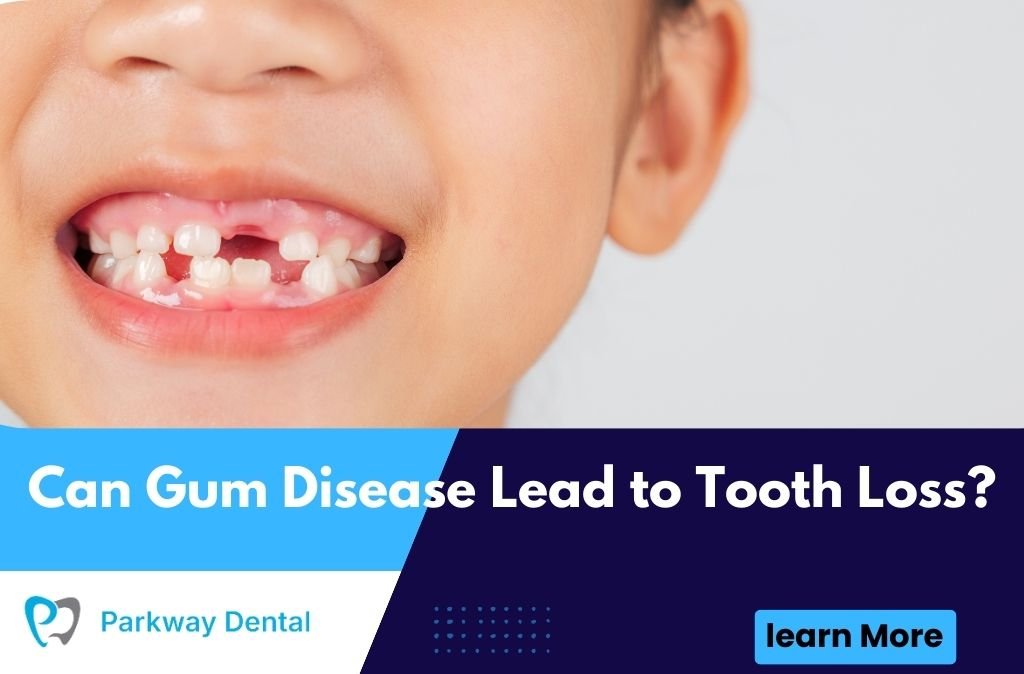
Gum disease is one of the most common oral health problems in adults, yet many people don’t realize how serious it can become. What begins as mild inflammation can progress into a condition that threatens the supporting structures of your teeth. If untreated, gum disease can destroy the bone, weaken the gums, and eventually lead to the loss of one or more teeth.
Understanding how this condition develops and how to stop it early is essential to protecting your smile. This detailed guide explains what gum disease is, how it progresses, and why it is one of the leading causes of adult tooth loss worldwide.
Table of Contents
What Is Gum Disease?
Gum disease, also known as periodontal disease, is an infection of the gums and bone that support your teeth. It begins when plaque, a sticky layer of bacteria builds up along the gumline. Over time, this bacteria irritates the tissue and leads to inflammation, bleeding, and eventually bone destruction if ignored.
Gingivitis – The First Stage of Gum Disease
Gingivitis is the earliest form of gum disease. At this stage, the gums may look red, swollen, or bleed when brushing. The good news is that gingivitis is reversible. With proper brushing, flossing, and professional cleanings, the gums can return to a healthy state.
Periodontitis – The More Serious Stage
If gingivitis is not treated, it progresses into periodontitis, a condition where the infection spreads deeper into the gum tissue and begins to damage the bone. At this point, pockets form between the teeth and gums, allowing bacteria to collect and worsen the disease.
Why Early Detection Matters
The earlier gum disease is detected, the easier it is to control. Once it reaches advanced stages, the damage becomes permanent. This is why regular checkups and early treatment are essential for preventing long-term oral health problems.
How Gum Disease Progresses Into Tooth Loss
Gum disease doesn’t cause tooth loss overnight. It happens slowly, moving through several stages that weaken the tissues supporting your teeth. Understanding this progression helps you see how easily the problem can grow unnoticed.
Stage 1 – Inflammation of the Gums
Plaque buildup irritates the gums, causing swelling and bleeding. At this point, the infection is still surface-level.
Stage 2 – Formation of Gum Pockets
As the disease progresses, gum tissue pulls away from the teeth and creates “pockets.” These pockets trap bacteria, making the infection worse.
Stage 3 – Bone Loss Begins
The bacteria start destroying the bone that anchors your teeth. Once bone is lost, it cannot grow back naturally.
Stage 4 – Teeth Become Loose
As bone continues to disappear, teeth lose their support. They may feel wiggly, shift out of place, or become painful when chewing.
Stage 5 – Tooth Loss Occurs
Eventually, the tooth becomes so unstable that it either falls out on its own or must be removed by your dentist to prevent further infection.
Why Gum Disease Is a Leading Cause of Tooth Loss
Many people believe cavities are the main cause of tooth loss, but gum disease is actually the number one reason adults lose teeth. This is because tooth structure can often be repaired, but once gum tissue and bone are lost, they cannot fully regenerate.
The Silent Nature of Gum Disease
Gum disease often develops without pain. Many people do not notice symptoms until bone damage has already occurred.
Bacteria Hide Below the Gumline
As gum pockets deepen, bacteria settle into areas that cannot be reached with normal brushing or flossing. This accelerates bone damage.
The Body’s Inflammatory Response Makes Damage Worse
When bacteria attack the gums, the body sends immune cells to fight the infection. Unfortunately, this inflammation can also break down healthy bone and tissue.
Common Signs That Gum Disease Is Getting Worse
Recognizing early warning signs helps you act before permanent damage begins. Many people don’t realize that everyday symptoms like bleeding gums are actually signals of underlying disease.
Bleeding When Brushing or Flossing
Bleeding gums are not normal. They indicate inflammation or infection, even if there is no pain.
Persistent Bad Breath
Chronic bacteria in deep pockets create unpleasant odors that brushing alone cannot fix.
Receding Gums
As the gums pull away from the teeth, roots become exposed. This leads to temperature sensitivity and increased risk of decay.
Loose or Shifting Teeth
Loose teeth are a clear sign that the bone supporting them is breaking down.
Pain When Chewing
Discomfort when biting or chewing often occurs in advanced stages of periodontal disease.
Who Is Most at Risk of Gum Disease-Related Tooth Loss?
Some people are more likely to develop severe gum disease due to lifestyle factors, genetics, or underlying medical conditions.
Smokers
Smoking significantly increases the risk of periodontal disease because it reduces blood flow to the gums and weakens the immune response.
People With Poor Oral Hygiene
Inconsistent brushing and flossing allow bacteria to build up and harden into tartar, accelerating gum disease.
Individuals With Diabetes
Diabetes affects the body’s ability to fight infection, making gum disease worse and harder to control.
People With a Family History of Gum Disease
Genetics can influence how susceptible you are to gum problems.
Chronic Stress
Stress affects hormone levels and immune function, making it easier for gum infections to progress.
How Dentists Diagnose Gum Disease Before Tooth Loss Happens
Early diagnosis is key to preventing tooth loss. Dentists use several tools and evaluations to identify gum disease at its earliest stages.
Measuring Gum Pocket Depths
Dentists gently measure the space between your teeth and gums. Healthy gums measure 1–3 mm. Deeper pockets indicate infection.
X-Rays to Check Bone Loss
Dental X-rays show how much bone has been lost around each tooth. This is crucial for determining the severity of periodontal disease.
Visual Examination of Gum Tissue
Redness, swelling, bleeding, receding gums, and visible tartar buildup are clear signs of active disease.
How Gum Disease Is Treated to Prevent Tooth Loss
Treating gum disease early greatly reduces the risk of losing a tooth. Even advanced cases can be managed with the right treatment plan.
Deep Cleaning (Scaling and Root Planing)
This non-surgical procedure removes plaque and tartar from beneath the gumline. It also smooths tooth roots so gums can reattach and heal.
Antibiotic Therapy
Antibiotics may be placed directly in gum pockets or prescribed to reduce bacterial infection.
Gum Surgery for Advanced Cases
When pockets are too deep to clean with standard tools, gum surgery may be needed to access and remove the infection.
Bone and Tissue Regeneration
Bone grafts, tissue grafts, and membrane therapy can help rebuild areas damaged by gum disease.
Tooth Replacement Options if Loss Occurs
If a tooth cannot be saved, options such as dental implants, bridges, or partial dentures can restore function and appearance.
Lifestyle Changes That Help Prevent Tooth Loss
Simple daily habits can dramatically reduce the chance of gum disease progressing into tooth loss.
Brushing Twice a Day
Use a soft-bristled brush and fluoride toothpaste to remove plaque before it hardens into tartar.
Flossing Daily
Flossing removes debris and bacteria from areas your toothbrush cannot reach.
Eating a Balanced Diet
Nutrient-rich foods strengthen your immune system and protect gum tissue.
Avoiding Tobacco Products
Quitting smoking is one of the most effective steps in stopping gum disease from progressing.
Regular Dental Cleanings
Professional cleanings remove tartar that cannot be eliminated at home.
How Quickly Can Gum Disease Cause Tooth Loss?
The timeline varies depending on oral hygiene habits, genetics, and overall health. For some people, the progression may take years. For others, it can happen much faster.
Slow Progression in Early Stages
Mild gingivitis may remain stable for months or years if well-managed.
Faster Progression in High-Risk Patients
Smokers, diabetics, and those with poor hygiene may experience rapid deterioration.
The Importance of Regular Monitoring
Routine visits help your dentist intervene before irreversible damage occurs.
Conclusion
Gum disease is a serious condition that can lead to tooth loss if ignored. What begins as mild inflammation can turn into deep infection that destroys gum tissue and bone. The earlier you take action, the easier it is to control the disease and protect your smile. With proper care, professional treatment, and consistent oral hygiene, tooth loss from gum disease is preventable.
If you’re noticing bleeding gums, bad breath, gum recession, or loose teeth, schedule a visit with a Dentist in West Roxbury, MA to prevent further damage and protect your oral health.
FAQs
Can gum disease be reversed?
Gingivitis, the early stage of gum disease, is reversible. However, periodontitis cannot be reversed but can be managed with proper treatment.
How do I know if I have gum disease?
Symptoms include bleeding gums, bad breath, gum recession, loose teeth, and swelling.
Can brushing alone prevent gum disease?
Brushing helps, but flossing and regular dental cleanings are essential to remove plaque from areas your toothbrush cannot reach.
Does gum disease always lead to tooth loss?
Not always. Early treatment and ongoing care can prevent tooth loss even in advanced cases.
How is gum disease treated?
Common treatments include deep cleaning, antibiotics, gum surgery, and regenerative procedures depending on severity.
Is gum disease painful?
Early gum disease may not hurt. Pain often appears in advanced stages when infection affects deeper tissues.
Can gum disease affect overall health?
Yes. Untreated gum disease has been linked to heart disease, stroke, diabetes complications, and respiratory problems.