Jaw pain can affect daily comfort, speech, eating, and even sleep. Many people are surprised to learn that the pain in their jaw may actually be linked to misaligned teeth or bite issues. Orthodontic treatment which focuses on correcting alignment and bite—can often provide long-term relief. But how exactly does it work, and when should you consider visiting an orthodontist? Let’s explore how orthodontic care can help ease jaw pain and restore balance to your smile and bite.
Table of Contents
Understanding Jaw Pain and Its Common Causes
Jaw pain can stem from many factors, ranging from dental problems to stress-related habits. Understanding the root cause is the first step toward finding lasting relief.
What Causes Jaw Pain?
Jaw pain can develop from several underlying conditions. The most common include:
- Malocclusion (bad bite): When your upper and lower teeth don’t align properly, the jaw muscles and joints are forced to overwork, leading to pain and stiffness.
- TMJ disorders: Temporomandibular joint (TMJ) dysfunction affects how the jaw opens, closes, and moves. It can cause clicking, popping, or aching sensations in the face and temples.
- Bruxism (teeth grinding): Many people grind their teeth, especially during sleep. Over time, this habit stresses the jaw muscles and can worsen discomfort.
- Tooth misalignment: Crowded or crooked teeth can affect how pressure is distributed across your bite, placing uneven strain on your jaw joint.
- Injury or trauma: Accidents or impact to the face can damage the jaw joint or muscles.
Jaw pain might feel temporary, but when it becomes chronic, it’s often a sign that something deeper like a bite imbalance is at play.
The Connection Between Jaw Alignment and Orthodontics
Many people assume orthodontics is just about straightening teeth. In reality, it also focuses on jaw alignment and bite function, which play a major role in overall oral health and comfort.
How Jaw Misalignment Leads to Pain
When teeth don’t fit together properly, the jaw joint (TMJ) compensates by shifting its position during chewing and speaking. This constant micro-adjustment creates muscle fatigue and inflammation, which can cause pain near the ears, temples, and jawline.
Over time, an uneven bite may lead to:
- Jaw clicking or locking
- Difficulty chewing
- Headaches or neck pain
- Facial tension or asymmetry
The Orthodontic Approach to Jaw Pain
Orthodontists don’t just align teeth—they correct the bite. Using braces, aligners, or other devices, they reposition teeth and guide the jaw into a healthier, more balanced position. This reduces stress on the TMJ, relaxes facial muscles, and helps prevent future discomfort.
How Orthodontic Treatment Can Help Relieve Jaw Pain
Orthodontic treatment addresses the structural causes of pain rather than just the symptoms. By balancing how teeth meet and how the jaw moves, it restores harmony between the muscles, joints, and bite.
Correcting Bite Problems
When an orthodontist realigns the teeth and bite, pressure spreads evenly across the jaw. This balance reduces muscle tension and inflammation around the TMJ.
Common bite problems treated through orthodontics include:
- Overbite: Upper teeth overlap the lower teeth excessively.
- Underbite: Lower jaw extends too far forward.
- Crossbite: Some upper teeth bite inside the lower ones.
- Open bite: Front teeth don’t touch when the mouth is closed.
Reducing Muscle Strain
When teeth are aligned, your muscles no longer need to overcompensate to chew or speak comfortably. Over time, muscle fatigue and tightness fade, and jaw mobility improves.
Improving Jaw Joint Function
As alignment improves, the TMJ returns to a more natural resting position. This allows the joint to move smoothly without friction, which can relieve chronic clicking, popping, and soreness.
Common Orthodontic Treatments for Jaw Pain
Not every orthodontic solution fits all patients. The right approach depends on your specific condition, age, and severity of misalignment.
Braces for Bite Correction
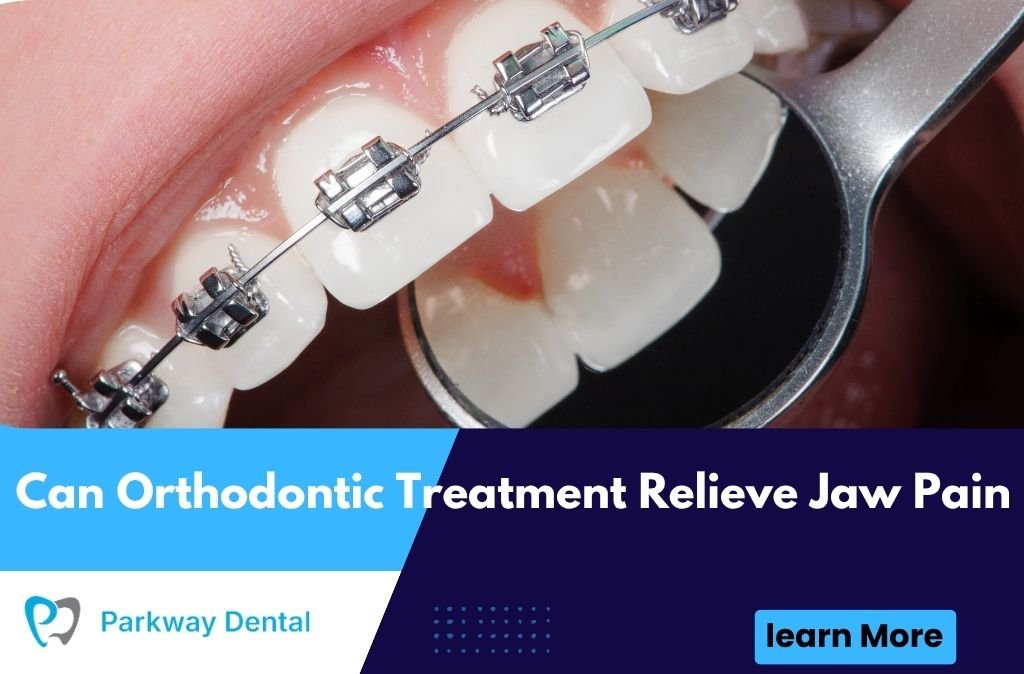
Traditional braces use brackets and wires to gradually shift teeth into the proper position. For moderate to severe misalignment, braces can correct deep bite issues that contribute to jaw pain. Modern braces are smaller, smoother, and more comfortable than ever.
Clear Aligners for Mild to Moderate Issues
Invisalign and other clear aligner systems offer a discreet alternative for correcting misaligned teeth and minor bite problems. By gently adjusting tooth position over time, aligners can relieve muscle tension and help restore jaw comfort.
Expanders and Other Orthodontic Appliances
In some cases, jaw pain stems from structural limitations like a narrow upper arch or crowded teeth. Orthodontists may use palatal expanders, elastics, or functional appliances to create space and guide jaw growth, especially in younger patients.
Retainers for Post-Treatment Support
After orthodontic treatment, retainers maintain the corrected alignment and prevent the jaw from shifting back. This ensures long-term comfort and stability.
Early Orthodontic Intervention and Jaw Development
Early orthodontic care known as interceptive orthodontics—can prevent or minimize jaw problems before they worsen in adulthood.
Benefits of Early Treatment
Treating misalignment in children or teens helps guide the growth of the jaw and teeth. This reduces the risk of TMJ disorders later in life and can eliminate the need for more invasive procedures in adulthood.
Orthodontists in West Roxbury, MA, often recommend initial assessments around age 7 to detect early signs of jaw misalignment.
Signs Your Child May Need Early Orthodontic Evaluation
- Difficulty chewing or biting
- Uneven wear on teeth
- Clicking or popping when opening the mouth
- Jaw shifts to one side when talking or eating
- Frequent headaches or face pain
Identifying these signs early helps ensure a smoother, more effective treatment plan.
Adult Orthodontics for Jaw Pain Relief
It’s never too late to correct a misaligned bite. Many adults in West Roxbury and nearby communities choose orthodontic treatment to relieve chronic jaw discomfort and improve confidence in their smile.
Why Adults Develop Jaw Pain
Stress, teeth grinding, and years of uneven bite pressure can take a toll on the TMJ. Adults who never had orthodontic treatment may also experience worsening misalignment as teeth shift with age.
Orthodontic Options for Adults
Modern orthodontic solutions like clear aligners, ceramic braces, and lingual braces make treatment more discreet for adults. These options focus not only on aesthetics but also on restoring bite balance and jaw comfort.
Combined Treatments for Complex Cases
In some cases, orthodontics may be paired with other dental or medical treatments, such as:
- Nightguards for bruxism
- Physical therapy for TMJ
- Restorative dental work for worn teeth
This multidisciplinary approach provides long-lasting relief from jaw pain.
The Role of TMJ Disorders in Jaw Pain
One of the most common causes of jaw discomfort is TMJ disorder (TMD)—a condition affecting the joint that connects the lower jaw to the skull.
How Orthodontics Helps TMJ Disorders
By improving how teeth fit together, orthodontic treatment reduces uneven forces on the TMJ. This allows the joint to heal and move more naturally, often eliminating pain, stiffness, or jaw clicking.
While orthodontic treatment may not cure every TMJ case, it can significantly improve function and reduce the frequency and intensity of symptoms.
TMJ Symptoms That Orthodontics Can Improve
- Pain when opening or closing the mouth
- Headaches or earaches
- Clicking or popping sounds
- Locking of the jaw
- Tension in the neck or shoulders
An orthodontist in West Roxbury can assess whether your jaw pain stems from TMJ dysfunction or another issue requiring different treatment.
What to Expect During Orthodontic Evaluation for Jaw Pain
Your first orthodontic consultation involves a detailed evaluation to identify what’s causing the pain and how best to treat it.
Step 1: Clinical Examination
The orthodontist examines how your teeth meet, your jaw movement, and muscle function. They’ll ask about symptoms like headaches, clicking, or grinding.
Step 2: Diagnostic Imaging
Digital X-rays, 3D scans, or photographs help map out your bite and jaw structure. This reveals whether misalignment or TMJ issues are present.
Step 3: Customized Treatment Plan
Based on the diagnosis, your orthodontist designs a personalized plan. This may include braces, aligners, or a combination of appliances to gradually reposition the teeth and jaw for balanced function.
Step 4: Monitoring and Adjustments
Throughout treatment, regular check-ups ensure progress and comfort. Adjustments are made as needed to fine-tune the bite and ensure pain relief continues.
Lifestyle Habits That Support Jaw Pain Relief
Orthodontic treatment is most effective when paired with good daily habits that protect the jaw.
Manage Stress
Since stress contributes to teeth grinding, relaxation techniques like deep breathing, yoga, or meditation can ease tension and protect your TMJ.
Maintain Good Posture
Poor posture, especially when working at a desk or looking down at phones, can strain neck and jaw muscles. Keep your head aligned with your spine to avoid additional pressure.
Avoid Hard or Chewy Foods
During orthodontic treatment, avoid foods that require excessive chewing or biting, as they can strain your jaw joint and damage orthodontic appliances.
Stay Consistent with Appointments
Regular visits to your orthodontist ensure proper adjustments and early detection of any recurring issues.
Recovery and Long-Term Benefits of Orthodontic Treatment
Orthodontic correction does more than just relieve jaw pain—it enhances oral health, facial harmony, and confidence.
Post-Treatment Comfort
Once your bite is properly aligned, chewing becomes effortless, and muscle tension subsides. You’ll also notice reduced headaches, fewer jaw clicks, and improved sleep quality.
A Balanced, Healthier Smile
Straight teeth are easier to clean, reducing the risk of cavities and gum disease. Balanced alignment improves how your lips, cheeks, and jawline appear, giving you a natural, confident smile.
Preventing Future Problems
Correcting jaw alignment early prevents long-term complications like enamel wear, TMJ deterioration, and chronic tension headaches.
When to See an Orthodontist in West Roxbury for Jaw Pain
If you experience frequent jaw pain, headaches, or clicking sounds while eating, it’s time to consult a West Roxbury orthodontist. Early evaluation helps identify whether the pain comes from misalignment, TMJ dysfunction, or another issue requiring attention.
Key Signs You Shouldn’t Ignore
- Persistent jaw pain or stiffness
- Difficulty opening or closing your mouth
- Frequent headaches or ear pain
- Uneven tooth wear
- Facial asymmetry or shifting bite
An experienced dentist or orthodontist can determine whether orthodontic treatment will help and design a plan tailored to your needs.
Conclusion
Orthodontic treatment can do far more than straighten teeth—it can restore comfort, function, and balance to your jaw. By correcting misalignment and improving bite coordination, orthodontics often reduces or eliminates chronic jaw pain caused by muscle tension or TMJ disorders. If you live in West Roxbury, MA, and struggle with ongoing jaw discomfort, consulting a West Roxbury dentist or orthodontist is a smart first step toward lasting relief and a healthier smile.
FAQs
Can orthodontics fix jaw pain?
Yes. Orthodontic treatment can realign your teeth and jaw, easing the strain on muscles and joints that often causes jaw pain.
Should I go to a dentist or orthodontist for jaw pain?
Start with your dentist for an initial evaluation. If bite issues or alignment problems are suspected, they’ll refer you to an orthodontist for specialized care.
Can orthodontics help with jaw pain?
Absolutely. By correcting bite imbalances and improving jaw alignment, orthodontics often relieves pressure on the TMJ and surrounding muscles.
What will a dentist do for jaw pain?
A dentist will examine your bite, teeth, and jaw movement. They may recommend orthodontic treatment, nightguards, or refer you to a TMJ specialist if needed.
What type of doctor should I see if my jaw hurts?
You should see a dentist or orthodontist first. If the issue involves the TMJ or severe muscular pain, a specialist in oral and maxillofacial pain or TMJ disorders may also help.