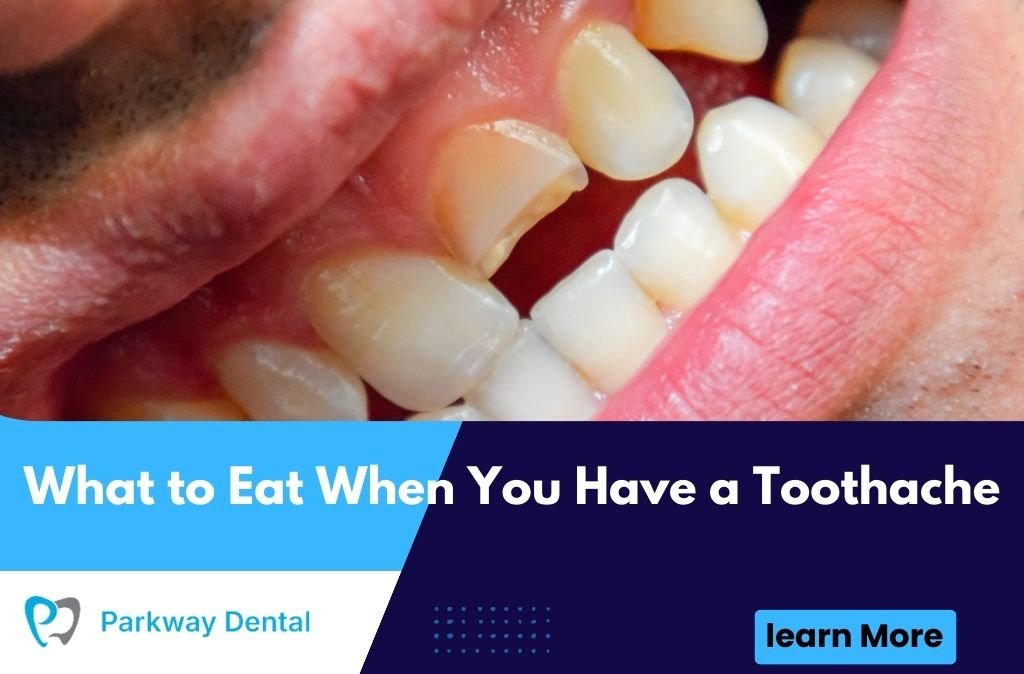
Wisdom teeth are the last set of molars to develop, typically appearing between ages 17 and 25. While some people never experience problems, many deal with complications like pain, swelling, infections, or breakage. A broken wisdom tooth is not just uncomfortable—it can be a genuine dental emergency that requires immediate attention.
This comprehensive guide explains whether broken wisdom teeth count as emergencies, why they break, the risks of ignoring the problem, and what treatment options are available. It’s written in a clear, human tone to help you understand when to call a dentist and how to protect your oral health.
Table of Contents
Understanding Whether Broken Wisdom Teeth Are Dental Emergencies
When a wisdom tooth breaks, cracks, or fractures, it can expose the inner layers of the tooth, create an entry point for bacteria, and trigger sudden pain or infection. In most cases, a broken wisdom tooth is considered a dental emergency, especially if it causes swelling, bleeding, or severe discomfort.
What Makes a Broken Wisdom Tooth a Dental Emergency?
A broken wisdom tooth becomes an emergency when the damage leads to conditions that threaten your oral health or overall well-being. Emergency dentistry involves situations that cause immediate pain, infection, bleeding, or risk of permanent damage.
Sudden Pain and Sensitivity
When a wisdom tooth breaks, the protective enamel is damaged, exposing the softer dentin beneath. This layer contains thousands of microscopic tubules connected to the nerve, causing sharp pain, throbbing, or temperature sensitivity. Intense, lingering pain is a sign that you need urgent care.
Broken wisdom teeth can also trigger radiating pain to the jaw, ear, head, or throat, making it hard to chew or speak.
Infection and Swelling in the Gums
A broken wisdom tooth creates a perfect environment for infection. Bacteria can enter the crack or fracture line, leading to gum swelling, redness, and tenderness. An infection around a wisdom tooth (called pericoronitis) can escalate rapidly and may spread to nearby tissues.
Swelling that interferes with swallowing, breathing, or opening your mouth wide is a medical emergency and requires immediate attention.
Risk of Abscess Formation
An abscess is a pocket of pus caused by bacterial infection. Broken wisdom teeth are prone to abscesses because the opening allows bacteria to reach the pulp (nerve chamber). Symptoms include severe pain, facial swelling, fever, bad taste in the mouth, and pus drainage.
An untreated abscess is dangerous it can spread infection to the jaw, neck, or bloodstream.
Exposure of the Pulp or Nerve
If the inner nerve tissue becomes exposed due to breakage, the pain can be intense. This level of damage almost always requires emergency treatment because the tooth is highly likely to become infected.
Difficulty Chewing or Jaw Stiffness
A broken wisdom tooth can make it painful or impossible to chew due to sharp edges or inflammation. Jaw stiffness (trismus) is often a sign of spreading infection, making the situation more urgent.
Why Wisdom Teeth Break in the First Place
Wisdom teeth break for many reasons, and understanding the cause helps predict the severity of the dental emergency.
Common Causes of Broken Wisdom Teeth
Wisdom teeth are more vulnerable to breakage because they are harder to clean, often poorly positioned, and more likely to decay or fracture.
Decay and Cavities
Due to their position at the back of the mouth, wisdom teeth are harder to brush and floss. Food debris and bacteria accumulate easily, leading to cavities. When decay weakens the enamel, the tooth becomes prone to cracking or breaking, especially while chewing hard foods.
Impacted Wisdom Teeth
An impacted wisdom tooth grows at an angle, pushing against the gum or neighboring teeth. This pressure can weaken the structure and cause fractures. Impacted teeth are also more likely to cause infections or gum inflammation.
Trauma or Injury
A direct impact to the face from sports, accidents, or biting into something hard—can cause a wisdom tooth to chip or break, especially if it was already weakened by decay.
Enamel Weakness
Some people naturally have thinner enamel on their wisdom teeth. When combined with grinding, chewing pressure, or poor dental hygiene, enamel wear increases the risk of breakage.
Failed or Old Dental Work
While wisdom teeth rarely receive fillings or crowns, those that do may break around weakened restorations.
Types of Breaks in Wisdom Teeth and Their Severity
Not all broken teeth are equal. Some fractures are minor, while others qualify as severe emergencies.
Different Types of Wisdom Tooth Fractures
Understanding the type of break helps determine the urgency of treatment.
Minor Chips
A small chip may not cause pain, but it exposes enamel and dentin to bacteria. Even minor chips become emergencies if the rough surface irritates the cheeks or tongue.
Cracked Tooth
A crack extending deeper into the tooth poses a major risk because bacteria can enter through the fracture line. Cracked wisdom teeth often require extraction to prevent infection.
Broken Crown (Top of the Tooth)
Losing the chewing surface exposes sensitive dentin underneath, causing pain and increasing infection risk. This type of break almost always requires urgent treatment.
Split Tooth
A tooth split into sections is usually not salvageable and often results in extraction. Split wisdom teeth are extremely painful and can cause immediate gum swelling.
Vertical Root Fracture
This type of fracture often goes undetected until infection develops. Vertical root fractures typically lead to nerve involvement and require emergency removal of the tooth.
Symptoms That Indicate a Broken Wisdom Tooth Is an Emergency
Not all symptoms are obvious, so paying attention to changes in your mouth is essential.
Warning Signs You Shouldn’t Ignore
When the following symptoms appear, immediate care is required.
Severe, Persistent Pain
Pain that interferes with sleep or daily activities indicates nerve involvement or infection.
Gum Bleeding or Swelling
Swelling can signal an abscess or severe infection. Bleeding may occur if the broken edges cut the gum tissue.
Pus, Bad Taste, or Foul Breath
These symptoms strongly suggest an infection, especially if accompanied by fever.
Difficulty Opening the Mouth (Trismus)
This can occur when inflammation spreads to the jaw muscles.
Fever or Swollen Lymph Nodes
Systemic symptoms indicate that the body is fighting an infection, which requires immediate dental care.
Nerve Sensitivity
Sensitivity to cold, heat, or pressure is typically due to exposed dentin or nerve involvement.
Complications of Ignoring a Broken Wisdom Tooth
Ignoring a broken wisdom tooth can lead to dangerous complications affecting your dental and overall health.
What Happens If You Delay Treatment?
Delaying treatment only makes the problem worse. Wisdom teeth rarely heal on their own, and breakage often progresses.
Infection Spread
A small infection can spread to the jawbone, neck, or bloodstream (sepsis). Wisdom tooth infections are known for spreading quickly because of their location near major vessels.
Cysts or Tumors
Impacted or broken wisdom teeth may develop cysts, which can damage the jawbone if untreated.
Damage to Nearby Teeth
The second molar is particularly vulnerable and may develop cavities, bone loss, or shifting from pressure or infection.
Chronic Bad Breath and Taste
Persistent infection leads to foul breath and an unpleasant taste in the mouth.
Gum Disease and Bone Loss
A broken tooth traps bacteria under the gums, accelerating periodontal disease, which can weaken jawbone support.
Increased Pain and Swelling
What begins as intermittent discomfort can evolve into severe, constant pain requiring emergency intervention.
Treatment Options for Broken Wisdom Teeth
Treatment depends on the type of break, the tooth’s position, and whether an infection has developed.
How Dentists Treat Broken Wisdom Teeth
Dentists evaluate symptoms, perform X-rays, and decide whether the tooth can be saved or must be removed.
Emergency Examination and X-Rays
A dentist begins with a full evaluation to determine the extent of the break, infection, or impaction. X-rays help assess root structure, nerve involvement, and bone health.
Pain Management and Antibiotics
If infection is present, antibiotics may be prescribed to control swelling and infection before extraction. Pain relievers help reduce discomfort until the procedure is performed.
Wisdom Tooth Extraction
Most broken wisdom teeth require extraction because repairing them is rarely beneficial. Removal prevents further infection, pain, and complications.
Surgical Removal
Impacted or partially erupted broken wisdom teeth often require surgical intervention under local anesthesia or sedation. The dentist may need to remove gum tissue or bone to extract the tooth safely.
Smoothing Sharp Edges
If immediate extraction isn’t possible, smoothing rough edges can provide temporary relief by preventing them from cutting your tongue or cheeks.
Cleaning and Debridement
Deep cleaning around the gum flap reduces infection and prevents bacteria from spreading.
Post-Extraction Care
Proper care includes rest, ice therapy, avoiding straws, and following all aftercare instructions to promote healing.
When a Broken Wisdom Tooth Requires Immediate Medical Care
Some situations go beyond dental emergencies and become true medical emergencies. Recognizing these signs helps protect your overall health.
Symptoms Requiring Urgent Medical Attention
Wisdom tooth infections can spread quickly due to their location near the throat, jaw, and neck. Seek emergency medical help if any of these red-flag symptoms appear:
Difficulty Breathing or Swallowing
A rapidly spreading infection can cause swelling that closes off the airway. This is dangerous and needs immediate hospital care.
High Fever or Chills
Body temperature above 101°F, fever spikes, or chills indicate the infection may be entering the bloodstream.
Rapidly Increasing Facial Swelling
Swelling extending to the neck, eye, or throat area is a sign of serious infection or abscess.
Limited Ability to Open Mouth (Severe Trismus)
When you can barely open your mouth, it suggests infection has reached deeper muscle tissue.
Persistent Vomiting or Dehydration
Pain and swelling may make swallowing difficult, leading to dehydration.
If any of these symptoms occur, go to the ER immediately—not just a dental office.
What to Do at Home Before Seeing a Dentist
If your wisdom tooth breaks unexpectedly, you can take steps at home to minimize pain and prevent the infection from spreading while waiting for your appointment.
Emergency At-Home Care for a Broken Wisdom Tooth
These steps provide temporary relief but never replace professional treatment.
Rinse with Warm Salt Water
Salt water reduces bacteria and soothes irritated gums. You can rinse several times throughout the day.
Apply a Cold Compress
Ice packs reduce swelling and numb the area temporarily. Apply for 15–20 minutes at a time.
Take Over-the-Counter Pain Relievers
Ibuprofen or acetaminophen can help manage inflammation and pain. Avoid aspirin if there is bleeding, as it thins the blood.
Avoid Chewing on the Affected Side
Pressure from chewing increases pain and may worsen the fracture.
Keep the Area Clean
Gently brush around the tooth, avoiding harsh pressure. Use an antiseptic mouthwash if recommended.
Avoid Alcohol, Smoking, and Sugary Foods
These increase bacteria, irritate tissues, and slow healing.
Never Try to Pull the Tooth Out Yourself
DIY extraction is extremely dangerous and can cause uncontrolled bleeding or severe infection.
Should You Repair a Broken Wisdom Tooth or Extract It
Unlike regular teeth, wisdom teeth are rarely repaired. Most dentists recommend extraction because wisdom teeth provide no functional advantage and often cause ongoing complications.
Extraction vs. Repair: Which Is Best for a Broken Wisdom Tooth
Treatment depends on severity, position, and infection risk.
When Extraction Is the Best Choice
Extraction is recommended when:
- The tooth is impacted
- The break reaches the pulp
- The tooth has severe decay
- Infection is present
- Chewing becomes painful
- The tooth is pushing against neighboring teeth
Extraction eliminates pain and prevents future complications.
When a Dentist Might Repair the Tooth
Repair is rare but possible if:
- The break is minor
- There is no infection
- The wisdom tooth is fully erupted and functional
Even in these cases, extraction is usually the long-term solution.
Risks of Not Removing a Broken Wisdom Tooth
Leaving a broken wisdom tooth in your mouth can lead to:
- Chronic pain
- Repeating infections
- Abscesses
- Gum disease
- Bone loss
- Damage to nearby teeth
Most dentists agree extraction prevents more serious oral problems later.
Healing After Treatment for a Broken Wisdom Tooth
Many people worry about recovery. Fortunately, healing is typically smooth when aftercare instructions are followed.
What to Expect After Extraction or Emergency Treatment
Your comfort and healing depend on good post-treatment care.
First 24 Hours
Expect mild bleeding, swelling, and discomfort. Use gauze, avoid rinsing aggressively, and rest.
48 to 72 Hours
Swelling peaks within this period. Use ice packs, soft foods, and gentle cleaning.
After 1 Week
Most discomfort fades. Stitches may dissolve or be removed. Eating becomes easier.
After 2 Weeks
The site begins to close, and tissue heals under the gum line.
Full Healing Timeline
It usually takes 3–4 weeks for soft tissue to heal and up to 3 months for complete bone healing.
Preventing Wisdom Tooth Breakage in the Future
While you cannot always prevent breakage, good dental habits reduce the risk significantly.
How to Prevent Wisdom Tooth Problems
You can protect wisdom teeth by reducing decay, minimizing pressure, and seeking early treatment.
Maintain Excellent Oral Hygiene
Brush twice daily, floss, and use mouthwash to prevent cavities.
Schedule Routine Dental Checkups
Dentists monitor wisdom tooth development and catch early problems before they worsen.
Remove Wisdom Teeth Before Pain Starts
Preventive removal is often recommended when:
- Teeth are impacted
- There is no space to erupt
- Gum flaps trap bacteria
- Teeth grow sideways
Early extraction avoids emergency situations later.
Avoid Hard Foods If Your Wisdom Teeth Are Weak
Ice, hard candy, and nuts may trigger fractures in already compromised teeth.
Do Broken Wisdom Teeth Always Require Emergency Extraction
Most cases do, but not always. Here’s how dentists decide.
When a Broken Wisdom Tooth Isn’t an Emergency
A wisdom tooth might not require emergency care if:
- The chip is tiny
- There is no pain
- No swelling or infection is present
- You can chew normally
Still, schedule a dental visit within 1–2 days to prevent worsening.
Why Some Dentists Delay Extraction
Delay happens when:
- You need antibiotics first
- There is severe swelling
- You take blood thinners
- You have medical conditions needing clearance
In these cases, temporary treatment reduces infection before surgery.
Do All Dentists Treat Broken Wisdom Teeth
Not always some refer patients to specialists.
Who Handles Wisdom Tooth Emergencies?
Typically, treatment depends on the case complexity.
General Dentists
They treat mild to moderate cases involving:
- Small breaks
- Early infections
- Non-impacted teeth
Oral Surgeons
They handle complicated cases such as:
- Deep fractures
- Impacted or sideways wisdom teeth
- Severe infection
- Cysts or abscesses
- Fractured roots
Emergency Dentists
They focus on:
- Pain control
- Antibiotics
- Same-day extractions
They are ideal when symptoms appear suddenly.
Conclusion
A broken wisdom tooth is almost always a dental emergency, especially when it causes pain, swelling, infection, or difficulty chewing. Leaving the issue untreated can lead to complications like abscesses, spreading infection, or permanent damage to nearby teeth. Early diagnosis and treatment often extraction are the safest ways to protect your health.
If you are experiencing symptoms from a broken or infected wisdom tooth, reach out to a professional. Dentist in West Roxbury, MA.
FAQs
Are broken wisdom teeth considered a dental emergency?
Yes. Most broken wisdom teeth expose the inner tooth layers, which leads to infection, swelling, and severe pain. This makes them a dental emergency.
How urgent is a broken wisdom tooth?
If you have swelling, bleeding, fever, or pain, seek care immediately. Infections can spread quickly.
Can a broken wisdom tooth cause infection?
Absolutely. A break allows bacteria to enter the tooth or gums, causing infection or abscess formation.
What will a dentist do for a broken wisdom tooth?
Treatment may include X-rays, antibiotics, pain management, smoothing the sharp edge, or extraction.
Will a broken wisdom tooth heal on its own?
No. Once a tooth breaks, it cannot regenerate or heal itself.
Can I leave a broken wisdom tooth in my mouth?
It is not recommended. Leaving it untreated can lead to infection, abscess, or damage to nearby teeth.
What should I do if my wisdom tooth breaks at night?
Use salt-water rinses, pain relievers, ice packs, and avoid chewing on that side until you see a dentist.
How long can I wait to see a dentist?
If there is pain or swelling, you should go within 24 hours.
Can a broken wisdom tooth cause jaw pain or headaches?
Yes. The inflammation can radiate to the jaw, ear, neck, and head.
Do all broken wisdom teeth need extraction?
Most do, but a dentist will evaluate the severity before deciding.