Dental implants are often seen as the perfect solution to replace missing teeth. They offer a long-term, secure option that looks and feels natural. But like any dental treatment, they come with responsibilities. One of the biggest concerns patients ask about is: Do dental implants cause gum disease?
In this article, we’ll explore this question in depth. You’ll learn how implants interact with your gums, what signs to watch for, and how to prevent issues like peri-implantitis—a condition similar to gum disease but related to implants.
What Are Dental Implants and How Do They Work?
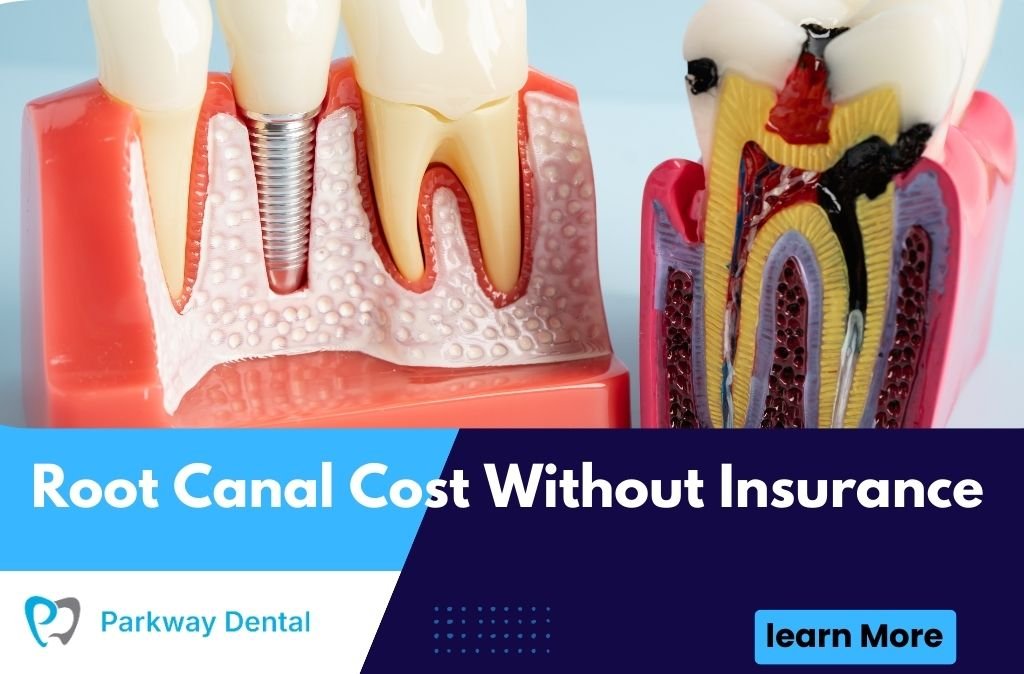
Before understanding the risk, it helps to know how dental implants function. A dental implant is a small titanium post surgically placed into your jawbone. It acts like the root of a natural tooth and supports a crown, bridge, or denture.
The Implant Structure and Gum Tissue Connection
Unlike natural teeth, implants don’t have a periodontal ligament. They bond directly to the bone (osseointegration), which makes them sturdy. But this also means the gum tissue around the implant is more vulnerable to infection if not cared for properly.
Can Dental Implants Cause Gum Disease?
To put it simply—dental implants do not cause gum disease, but they can contribute to it if neglected. The disease associated with implants is called peri-implantitis, and it mimics traditional periodontal disease.
Peri-Implantitis vs Traditional Gum Disease
Gum disease, also called periodontitis, affects the tissue and bone around natural teeth. Peri-implantitis affects the bone and soft tissue surrounding an implant. Both involve inflammation, bone loss, and can result in tooth or implant failure if untreated.
Causes of Gum Disease Around Dental Implants
Several factors can increase your risk of developing gum disease after getting dental implants. It’s rarely the implant itself—it’s usually how it’s maintained.
Poor Oral Hygiene
Neglecting to brush and floss allows plaque and bacteria to accumulate around the implant. Just like with natural teeth, this leads to inflammation and infection.
Smoking and Tobacco Use
Tobacco limits blood flow, slows healing, and weakens the immune system, making it easier for bacteria to invade implant sites and damage gum tissue.
Existing Periodontal Issues
If you had gum disease before getting implants, you’re more likely to develop peri-implantitis unless the issue was fully treated.
Medical Conditions
Diabetes, autoimmune diseases, and certain medications can affect your body’s ability to fight off infection, including in your gums.
Early Signs of Gum Disease Around Implants
Identifying gum disease early is critical to saving your implant. Here are warning signs you should never ignore:
Bleeding Gums Near the Implant
If your gums bleed when brushing or flossing around the implant, it’s a red flag. Healthy gums should not bleed.
Swollen or Red Gums
Inflammation around the implant is a classic symptom of infection. Healthy implant gums are firm and pale pink.
Persistent Bad Breath
Chronic halitosis, or bad breath, may indicate bacteria buildup around the implant base or deeper infection.
Loosening of the Implant Crown
If your implant feels unstable or wobbly, it could be due to bone loss from infection.
How to Prevent Gum Disease After Dental Implants
Prevention is key to keeping your implants and gums healthy for the long term.
Maintain Excellent Oral Hygiene
Brush twice daily with a soft toothbrush, floss carefully around your implant, and use an antibacterial mouthwash to keep plaque away.
Get Regular Dental Cleanings
Visit your dentist every 3–6 months. Routine professional cleanings remove plaque and monitor implant health.
Use Implant-Safe Tools
Use implant-specific floss or interdental brushes designed not to damage the implant surface or the surrounding gum tissue.
Treatment Options If Gum Disease Develops
If caught early, peri-implant mucositis (the mild, reversible form) can be treated. If it advances to peri-implantitis, more aggressive treatment is needed.
Non-Surgical Options
Deep cleaning and localized antibiotics can stop early infections. Your dentist may use antimicrobial rinses, gels, or lasers.
Surgical Intervention
In severe cases, flap surgery or bone grafting may be required to remove bacteria and rebuild the lost bone around the implant.
Risk Factors That Increase Gum Disease with Implants
Some individuals are more likely to develop complications due to their health or habits.
Uncontrolled Diabetes
High blood sugar levels affect healing and immune response, raising the risk of implant-related infections.
Genetic Factors
Some people have genetic predispositions to gum inflammation and bone loss, even with proper care.
Poorly Placed Implants
Implants placed incorrectly or too close to adjacent teeth may cause stress and gum problems.
Do All Dental Implants Lead to Gum Disease Eventually?
Not at all. With proper planning, care, and follow-up, dental implants can last 15+ years without causing gum disease. Many people enjoy a lifetime of healthy smiles with implants.
Importance of Choosing an Experienced Implant Dentist
Your success largely depends on your dental provider. An experienced implant dentist ensures proper placement, healing, and maintenance.
Quality Materials and Techniques
High-quality implant materials reduce the risk of rejection and bacterial colonization.
Post-Operative Care and Guidance
A good dentist offers detailed aftercare instructions, hygiene tools, and regular follow-ups to ensure long-term success.
Gum Health After Implants – What to Expect Long-Term
You may need more frequent cleanings, follow-ups, and personalized oral care routines to protect your gum health around dental implants.
Monitoring Bone Health
X-rays will be taken periodically to check for hidden bone loss near your implants.
Keeping Inflammation Away
Inflammation is your worst enemy. Early action, gentle cleaning, and consistent habits help keep your mouth healthy.
Conclusion
Dental implants do not cause gum disease—but improper care can lead to serious gum issues like peri-implantitis. Being proactive is your best defense. Brush, floss, visit your dentist regularly, and pay attention to any changes in your mouth.
If you’re considering implants or already have them, trust your smile to an experienced Dentist in West Roxbury, MA who can guide you in maintaining your oral health for life.
FAQs
Can dental implants fail because of gum disease?
Yes. If gum disease like peri-implantitis is left untreated, it can cause implant failure due to bone loss.
Is peri-implantitis the same as gum disease?
It’s similar but specific to implants. Peri-implantitis affects the gums and bone around the implant, just like periodontitis affects natural teeth.
How do I know if my dental implant is infected?
Look for bleeding gums, swelling, persistent bad breath, or a loose implant crown. Always consult your dentist if you notice any of these.
Can I treat peri-implantitis at home?
No. It requires professional care. You can manage inflammation early with good hygiene, but active infections need a dentist’s help.
How long do dental implants last without gum problems?
With proper care and regular check-ups, implants can last 15 years or longer with no gum disease.