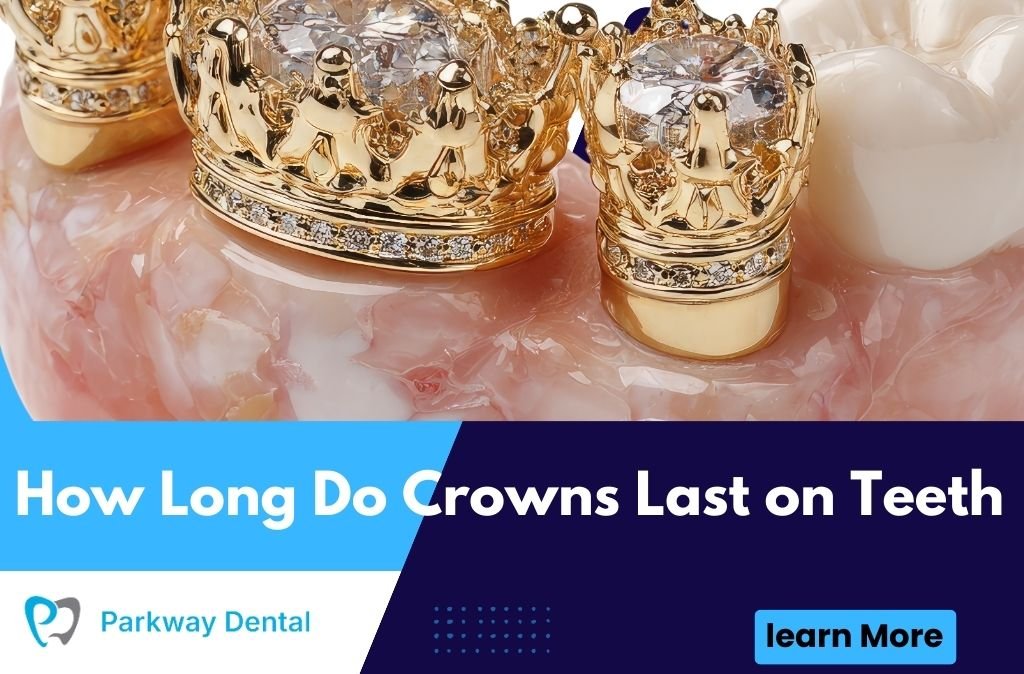
A dental crown is a personalized restorative solution used to protect and rebuild a tooth that has been weakened or damaged. Often described as a cap, it fits securely over the exposed portion of the tooth, acting as a durable outer layer that restores normal shape, strength, and chewing function.
Crowns can be created using different materials, including porcelain, ceramic, metal, or blended options that combine durability with a natural look. Each crown is carefully designed to match the color and contour of surrounding teeth, allowing it to blend smoothly with your smile while providing long-lasting protection.
Table of Contents
What Are Dental Crowns?
A dental crown is a personalized restorative solution used to protect and rebuild a tooth that has been weakened or damaged. Often described as a cap, it fits securely over the exposed portion of the tooth, acting as a durable outer layer that restores normal shape, strength, and chewing function.
Crowns can be created using different materials, including porcelain, ceramic, metal, or blended options that combine durability with a natural look. Each crown is carefully designed to match the color and contour of surrounding teeth, allowing it to blend smoothly with your smile while providing long-lasting protection.
Purpose of Dental Crowns
Dental crowns are used for multiple reasons:
- Protection: They shield a weakened tooth from further damage.
- Restoration: Crowns rebuild the shape, size, and strength of damaged teeth.
- Aesthetic Improvement: Crowns can improve the appearance of discolored, misshapen, or fractured teeth.
Why Do Teeth Become Weak?
Teeth can lose their strength and integrity for several reasons. Understanding the root cause of your tooth’s weakness can help determine the best treatment plan.
Tooth Decay
Tooth decay, or cavities, is one of the most common causes of weakened teeth. When bacteria erode the enamel and penetrate deeper layers of the tooth, the structure becomes fragile and prone to breaking.
Fractures or Cracks
Teeth can crack or fracture due to trauma, such as an accident, or even everyday activities like chewing on hard foods. Over time, these cracks can worsen, compromising the tooth’s strength and functionality.
Root Canal Treatment
After a root canal procedure, the tooth’s internal structure is often weakened due to the removal of infected pulp. Without a crown, these teeth are more susceptible to fractures.
Excessive Wear
Bruxism (teeth grinding) and erosion caused by acidic foods or conditions like GERD (gastroesophageal reflux disease) can wear down the enamel, leaving teeth exposed and fragile.
Large Fillings
Teeth with extensive fillings often lack enough natural structure to support normal chewing forces, making them vulnerable to cracking.
How Do Dental Crowns Strengthen Weak Teeth?
Dental crowns play a critical role in protecting and restoring teeth that are compromised. Here’s a closer look at how they work:
Restoring Structural Integrity
A crown encapsulates the entire visible portion of a tooth, providing stability and reinforcement. This helps:
- evenly distribute chewing forces across the tooth.
- Protect weak areas from further damage.
- Restore the tooth to its original shape, improving alignment and functionality.
Preventing Further Damage
Without intervention, a weak tooth is likely to deteriorate further. This could lead to painful conditions like abscesses or even tooth loss. Crowns act as a protective barrier, shielding the tooth from bacteria, trauma, and decay.
Enhancing Durability
Crowns are made from robust materials like porcelain, zirconia, and metal alloys that are designed to withstand heavy biting forces. In many cases, they’re even stronger than natural teeth, making them ideal for long-term use.
Preserving Natural Function
A weak tooth may struggle to handle everyday tasks like chewing or biting. A crown restores its ability to function normally, so you can enjoy your favorite foods without discomfort.
Types of Dental Crowns
Choosing the right type of crown depends on your specific needs, preferences, and budget. Let’s explore the most common options:
Porcelain Crowns
- Best for front teeth due to their lifelike appearance.
- Fully customizable to match the color and shape of your natural teeth.
- While aesthetically pleasing, they’re slightly less durable than other materials.
Porcelain-Fused-to-Metal (PFM) Crowns
- Combine the strength of metal with the natural look of porcelain.
- Suitable for both front and back teeth.
- Over time, the metal may become visible at the gum line if recession occurs.
Metal Crowns
- Made from gold, silver, or other metal alloys.
- Highly durable and resistant to wear, making them ideal for molars.
- Less aesthetically pleasing, as they don’t mimic the look of natural teeth.
Zirconia Crowns
- Extremely strong and durable while offering a natural appearance.
- Resistant to chipping and fractures, making them a popular choice for both front and back teeth.
Ceramic Crowns
- Entirely metal-free, making them ideal for patients with metal allergies.
- Provide a natural look and feel, suitable for a wide range of dental needs.
The Dental Crown Procedure in Detail
The process of getting a dental crown typically involves several steps, ensuring the best fit and function.
Initial Consultation
Your dentist will evaluate your tooth and discuss your treatment options. This may include taking X-rays to assess the extent of damage and determine if a crown is the right solution.
Tooth Preparation
The dentist reshapes the tooth by removing a portion of the enamel to make room for the crown. If the tooth is severely damaged, a filling material may be used to rebuild its structure.
Impressions
Impressions of your tooth are taken to create a custom-fit crown. Some dental offices use digital scanners for enhanced precision, eliminating the need for messy molds.
Temporary Crown Placement
A temporary crown is placed over the prepared tooth to protect it while the permanent crown is being fabricated.
Crown Placement
Once the permanent crown is ready, your dentist will check its fit, shape, and color. If everything looks and feels right, the crown will be permanently cemented in place.
Benefits of Dental Crowns for Weak Teeth
Crowns shield the tooth from further damage caused by decay, wear, or injury, acting as a protective barrier.
Natural Appearance
Modern crowns are meticulously crafted to match your natural teeth, ensuring a seamless smile.
Long-Lasting Durability
When properly cared for, crowns can last 10–15 years or even longer, making them a cost-effective solution.
Improved Comfort and Functionality
A well-fitted crown restores the tooth’s ability to chew, bite, and speak comfortably, improving your overall quality of life.
Preventing Tooth Loss
By strengthening a weak tooth, crowns help preserve your natural teeth and prevent the need for extractions.
Caring for Your Dental Crowns
To maximize the lifespan of your dental crowns:
- Brush and Floss Daily: Maintain proper oral hygiene to prevent decay and gum disease around the crowned tooth.
- Avoid Hard Foods: Chewing on ice or hard candies can damage crowns.
- Wear a Nightguard: If you grind your teeth, a nightguard can protect your crowns.
- Regular Dental Visits: Routine check-ups ensure your crowns remain in good condition and identify any potential issues early.
Are Dental Crowns Right for You?
Dental crowns are an excellent solution for anyone dealing with weak, damaged, or decayed teeth. They’re especially beneficial for:
- Teeth with extensive decay or large fillings.
- Cracked or fractured teeth.
- Teeth that have undergone root canal treatment.
If you’re unsure whether crowns are the right choice for you, consult a professional dentist to evaluate your needs.
Conclusion
Dental crowns are a tried-and-true method for restoring and strengthening weak teeth. They not only protect your tooth from further damage but also improve its appearance and functionality, offering a long-term solution for oral health challenges.
If you’re in need of dental crowns, trust the experts at Parkway Dental, your go-to Dentist in West Roxbury, MA. Our skilled team is dedicated to providing personalized care and ensuring that you leave with a smile you’re proud to show off.
Book your consultation with Parkway Dental today and take the first step toward a stronger, healthier smile.