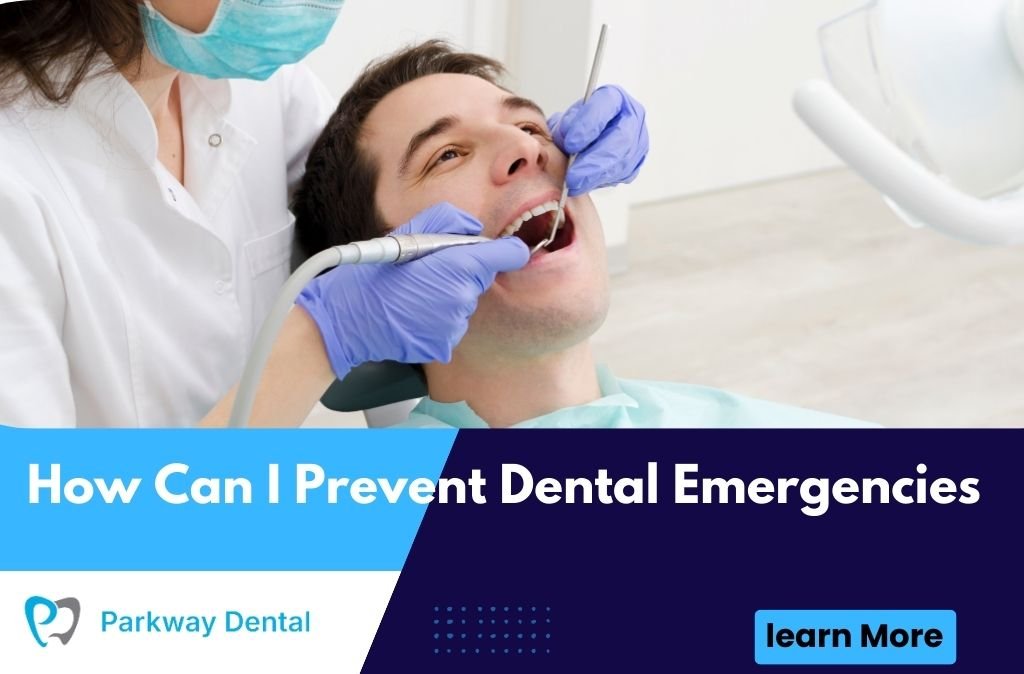
Dental emergencies can be painful, stressful and unexpected. A broken tooth, sudden infection or severe swelling can disrupt your day and sometimes even affect your long term oral health. The good news is that most dental emergencies are preventable with the right habits and routine care. Understanding the causes, risks and preventive steps helps protect your smile and reduces the chances of surprise dental visits. This detailed guide explains how to avoid common dental emergencies and maintain strong, healthy teeth year round.
Table of Contents
Why Preventing Dental Emergencies Matters
Preventing emergencies saves you from sudden pain, expensive treatments and long term damage. Dental emergencies often result from issues that could have been avoided earlier. When you take preventive steps, you protect your smile and enjoy peace of mind knowing you are less likely to experience sudden dental pain or infection.
How Dental Emergencies Affect Your Oral and Overall Health
Dental emergencies can quickly escalate from minor discomfort to severe infection, swelling and even nerve damage. Ignoring early signs often leads to more complicated procedures such as root canals, extractions or emergency surgeries. Dental infections can spread to the jaw, sinus or bloodstream if untreated. Preventing emergencies supports both oral health and overall wellness by keeping harmful bacteria from spreading beyond the mouth.
Maintain Strong Daily Oral Hygiene to Prevent Dental Emergencies
A clean mouth is the strongest defense against sudden dental problems. When plaque and bacteria stay under control, you reduce the risk of infections, cavities and gum disease that often lead to emergencies.
Brushing Properly Twice a Day With Fluoride Toothpaste
Brushing removes food particles and bacteria that cause tooth decay, gum irritation and infections. Use fluoride toothpaste to strengthen enamel and reduce sensitivity. Brush for two minutes using gentle circular motions to clean the tooth surfaces effectively. Consistent brushing prevents plaque buildup that often leads to unexpected pain, swelling or decay that becomes an emergency if ignored.
Flossing Daily to Remove Hidden Bacteria and Food Debris
Flossing reaches areas that brushing cannot, especially between teeth where cavities commonly form. Removing hidden food particles reduces gum inflammation and prevents infection below the gumline. Daily flossing lowers the risk of sudden tooth pain, abscesses and gum swelling. Clean interdental spaces help prevent emergency dental visits caused by unnoticed decay or gum disease progression.
Using Antibacterial Mouthwash for Extra Protection
Antibacterial mouthwash decreases harmful bacteria and reduces the risk of oral infections. It helps clean areas brushing and flossing may miss, especially around the gums and the back of the mouth. Mouthwash supports fresher breath, healthier gums and fewer bacterial attacks that could trigger sudden emergencies. Regular rinsing reinforces a strong oral hygiene routine.
Routine Dental Checkups and Professional Cleanings
Regular dental visits are essential for preventing emergencies. Dentists detect early problems long before they cause pain or require urgent treatment.
Why Dental Exams Are Important for Early Detection
During an exam, the dentist checks for cavities, gum disease, bite problems and early signs of infection. Identifying these issues early prevents them from developing into severe emergencies. Small problems can be treated quickly, saving you from sudden pain or extensive procedures. Dental exams help maintain long term health and reduce emergency risks.
Benefits of Professional Dental Cleanings Every Six Months
Professional cleanings remove hardened tartar that brushing cannot eliminate. Tartar buildup irritates gums, causes infection and leads to periodontal disease, a major cause of dental emergencies. Cleanings prevent hidden decay and remove deep plaque to keep gums healthy. Regular cleanings reduce the likelihood of abscesses or sudden gum swelling that require emergency care.
How X Rays Help Prevent Dental Emergencies
X rays reveal issues not visible to the naked eye, such as impacted teeth, bone loss, deep decay or infections under fillings. Detecting these problems early prevents sudden pain, swelling or tooth fractures. X rays allow dentists to predict and treat issues before they develop into urgent emergencies requiring immediate attention.
Strengthen Your Teeth to Reduce the Risk of Emergencies
Healthy, strong teeth are less likely to crack, break or become infected. Strengthening your enamel protects against sudden dental problems.
Using Fluoride Products to Reinforce Tooth Enamel
Fluoride strengthens enamel and protects teeth from decay that could later become painful emergencies. Using fluoride toothpaste, mouthwash or in office fluoride treatments reduces sensitivity, prevents cavities and helps teeth resist daily wear. Reinforced enamel lowers your risk of sudden fractures, infections and emergency procedures.
Eating a Tooth Friendly Diet That Supports Oral Health
A balanced diet rich in calcium, vitamins and low sugar foods keeps teeth strong and gums healthy. Avoiding frequent sugary snacks reduces the risk of cavities and bacterial attacks. Crunchy vegetables, lean proteins and dairy products support enamel strength. A nutritious diet prevents decay that might lead to sudden pain or urgent dental treatments.
Staying Hydrated to Protect Against Dry Mouth Risks
Dry mouth increases the risk of tooth decay because saliva helps wash away bacteria and acids. Drinking water frequently supports saliva production, reduces bacterial growth and keeps the mouth moist. Staying hydrated lowers the risk of sudden cavities, infections and tooth sensitivity that could become painful emergencies.
Protect Your Teeth During Physical Activities
Sports injuries are one of the most common causes of dental emergencies. Taking preventive measures protects teeth from sudden damage.
Wearing a Custom Mouthguard During Sports
A custom mouthguard shields your teeth from impact during activities like football, basketball or martial arts. It prevents chipped teeth, fractures, lip injuries and jaw trauma. Custom mouthguards fit comfortably and offer better protection than store bought options, reducing the risk of dental emergencies caused by accidental blows to the face.
Using Nightguards to Prevent Teeth Grinding Damage
Grinding or clenching at night can weaken enamel, crack teeth, strain jaw muscles and inflame gums. A custom nightguard prevents bruxism from causing sudden fractures or chipped teeth. It absorbs pressure, protects enamel and reduces jaw discomfort, helping you avoid emergency repairs caused by nighttime grinding.
Avoiding Bad Habits That Lead to Dental Fractures
Biting on ice, pens or hard objects stresses your teeth and increases the risk of cracks or fractures. Avoid tearing packages with your teeth or chewing extremely hard foods. These habits weaken enamel and can lead to sudden dental emergencies requiring immediate treatment or repairs.
Take Early Action When You Notice Signs of Dental Problems
Ignoring early symptoms increases the likelihood of an emergency. Responding quickly helps prevent complications.
Never Ignore Tooth Sensitivity or Sharp Pain
Sensitivity or sudden tooth pain often indicates early decay, enamel erosion or infection. Treating these issues early prevents them from developing into abscesses, severe sensitivity or swollen gums. Ignoring small discomfort can result in major emergencies requiring urgent treatment or surgery.
Address Gum Bleeding and Inflammation Promptly
Bleeding gums may signal gingivitis or early gum disease. When untreated, gum disease progresses into periodontitis, causing swelling, infection and loose teeth. Early treatment with professional cleanings and proper hygiene prevents gum disease emergencies like abscesses and severe pain.
Repair Minor Chips or Cracks Before They Worsen
Even small chips weaken the tooth structure and make the tooth vulnerable to larger fractures. Fixing minor cracks early with bonding or smoothing prevents severe breaks, pain or infections that may require emergency dental treatment later.
Prevent Infections That May Lead to Dental Emergencies
Dental infections often begin silently and become painful unexpectedly. Preventing bacterial buildup helps reduce the risk of sudden infection.
Treat Cavities Early Before They Reach the Nerve
Small cavities can be filled quickly, but deep cavities reach the pulp and cause severe pain or abscesses. Early detection and treatment prevent nerve infections, emergency root canals and sudden swelling that require immediate attention.
Manage Gum Disease Before It Becomes Severe
Early gum disease causes mild swelling but later leads to bone loss, loose teeth and major infection. Consistent cleaning, flossing and periodontal care reduce the risk of severe gum infections that turn into emergencies.
Avoid DIY Dental Treatments That Cause Damage
At home kits, temporary glues and internet hacks can damage enamel, irritate gums or worsen existing issues. DIY treatments often lead to emergency visits when the problem becomes more serious. Always seek professional care instead.
Protect Restorations and Dental Work to Prevent Emergencies
Dental restorations such as crowns, fillings, veneers and bridges require proper care. When maintained well, they last longer and are less likely to break or cause sudden issues. Protecting these restorations keeps your smile stable and reduces the risk of fractures, infections or loose dental work that could lead to unexpected emergency visits or painful complications.
Avoid Chewing Hard Foods That Can Damage Restorations
Hard foods can stress restorations and cause them to crack, loosen or break. Crowns, veneers and fillings may fracture under too much pressure, leading to sudden discomfort or exposed tooth surfaces. Avoid chewing hard candies, ice or nuts and use the back teeth carefully. Protecting restorations helps prevent emergency repairs and unexpected tooth sensitivity.
Maintain Good Oral Hygiene to Protect Dental Work
Keeping dental restorations clean is essential for long-term stability and preventing emergencies. Poor hygiene leads to plaque buildup around crowns or bridges, causing decay underneath. Regular brushing and flossing maintain gum health, reduce inflammation and prevent infections that could loosen or damage dental work. Strong hygiene habits protect your smile and reduce the risk of emergency dental treatments.
Replace Old or Damaged Restorations Promptly
Over time, restorations can wear out, develop cracks or no longer fit properly. Delaying replacement increases the chance of sudden pain, decay or broken teeth. Updating old dental work ensures your tooth remains protected and stable. Addressing worn restorations early prevents severe emergencies that might require extensive dental procedures or urgent intervention.
Prevent Dental Emergencies by Avoiding Harmful Habits
Certain habits damage enamel, irritate gums and increase the risk of sudden dental problems. Recognizing these habits early allows you to change them before they cause emergencies such as cracked teeth, infections or severe pain.
Do Not Use Your Teeth as Tools
Using teeth to open bottles, tear bags or hold objects places unnatural pressure on enamel. This weakens the teeth and increases the risk of chips or fractures. Teeth are designed for chewing, not for handling tasks. Avoiding this habit protects your enamel and prevents painful, unexpected dental emergencies.
Limit Sugary and Acidic Foods That Damage Enamel
Sugary foods and acidic drinks create an environment where tooth decay thrives. Frequent exposure weakens enamel, causes cavities and increases your risk of sudden sensitivity or infections. Reducing sugary snacks and acidic beverages helps protect enamel, strengthen teeth and lower the chance of emergency dental treatments caused by advanced decay.
Quit Smoking to Keep Teeth and Gums Healthy
Smoking increases the risk of gum disease, dry mouth and infections that can lead to emergencies. It slows healing, weakens immunity and creates conditions where cavities escalate quickly. Quitting smoking improves gum health, reduces inflammation and lowers the risk of unexpected pain, swelling or infections requiring urgent dental care.
Prevent Injuries by Keeping Your Home and Environment Safe
Accidents often happen at home, especially for children and older adults. Making your environment safer helps prevent falls, broken teeth and trauma that could result in emergency dental treatment.
Create a Safe Environment for Children
Children frequently injure their teeth during play or running around. Keeping sharp corners covered, securing furniture and encouraging safe play habits reduces the risk of chipped or knocked out teeth. Teaching children not to run with objects in their mouths also prevents emergencies and protects their developing smiles.
Reduce Fall Risks for Adults and Seniors
Slippery floors, loose rugs and poor lighting increase the risk of falls that can damage teeth or jaws. Improving lighting, securing rugs and wearing supportive shoes reduces these hazards. Preventing falls protects your teeth from trauma and prevents emergency dental visits caused by accidental injuries or fractures.
Take Special Care if You Have Orthodontic Appliances
Braces, aligners and retainers require special attention. Damaging orthodontic appliances can cause pain, delay treatment or cause dental injuries that become emergencies.
Follow Orthodontic Instructions Carefully
Orthodontic appliances have specific care guidelines to keep teeth moving properly. Ignoring instructions can cause wires to break or brackets to loosen, leading to discomfort or emergency visits. Following your orthodontist’s directions helps prevent unnecessary pain and ensures your treatment stays on track without complications.
Avoid Sticky or Hard Foods That Break Braces
Sticky candies, popcorn or hard snacks can break brackets or bend wires, causing pain or poking injuries. Damaged braces may delay progress and require urgent repairs. Avoiding these foods protects your orthodontic appliances and minimizes emergencies caused by sudden breakage or mouth irritation.
Keep Aligners and Retainers Clean and Stored Properly
Dirty or lost aligners can cause bacteria buildup or interrupt treatment progress. Clean them daily and store them in protective cases to avoid contamination or damage. Proper care reduces the chance of oral irritation, infections or emergency orthodontic visits due to broken or misplaced appliances.
When You Should Seek Immediate Help to Prevent Problems From Worsening
Some dental symptoms require quick attention to prevent them from escalating into serious emergencies. Knowing when to act helps you avoid complications that could damage your oral health permanently.
Severe Tooth Pain That Does Not Improve
Persistent or throbbing pain may indicate deep decay, nerve infection or an abscess. Delaying treatment can allow the infection to spread and cause swelling or bone damage. Seeking immediate care prevents long-term complications and reduces the risk of more invasive emergency treatments.
Swelling or Signs of Infection in the Mouth
Swelling, fever, pus or a foul taste may signal a serious oral infection requiring urgent care. Infections can spread quickly to the jaw or bloodstream if untreated. Early evaluation ensures proper treatment, reduces pain and prevents dangerous health risks associated with untreated dental infections.
Broken, Chipped or Knocked Out Teeth
Traumatic injuries require fast action to save the tooth. A knocked out tooth must be reinserted or preserved within minutes to increase survival chances. Prompt dental care prevents further damage, reduces pain and restores function. Ignoring injuries increases the likelihood of permanent loss or serious complications.
Conclusion
Preventing dental emergencies starts with strong oral hygiene, regular checkups and smart daily habits. By brushing, flossing, eating a healthy diet and protecting your teeth from injury, you significantly lower your risk of sudden pain, fractures or infections. Early action on small issues helps stop them from becoming major problems, while avoiding harmful habits keeps enamel strong and gums healthy. For professional guidance and preventive care that keeps your smile protected, visit an experienced Dentist in West Roxbury, MA who can help you maintain excellent long-term oral health.
FAQs
What is the best way to prevent dental emergencies?
Consistent brushing, flossing, regular dental visits and avoiding harmful habits are the best ways to prevent emergencies. Protect your teeth during sports and treat early symptoms before they worsen.
How often should I visit the dentist to prevent emergencies?
Visit every six months for cleanings and exams. These visits allow early detection of cavities, gum disease and infections that could turn into sudden emergencies.
Can diet help prevent dental emergencies?
Yes. A diet low in sugar and high in nutrients strengthens enamel and reduces decay. Hydration also supports saliva production, which protects teeth from harmful bacteria and acids.
What should I do if a tooth gets knocked out?
Keep the tooth moist in milk or saliva and see a dentist immediately. Quick action increases the chances of saving the tooth and prevents further complications.
How can I prevent sports related dental injuries?
Wear a custom mouthguard during all contact sports. It protects teeth, gums and jaw from trauma and reduces the risk of fractures or knocked out teeth.