A tooth crown is a cap that fully covers a damaged tooth. It restores shape, strength, appearance, and function. Crowns are essential when teeth are cracked, decayed, worn, or after root canal therapy. Let’s explore how crowns work, types, benefits, process, care—with a friendly tone and clear guidance.
Why a Tooth Crown May Be Needed
A crown becomes necessary when a tooth is structurally weak or cosmetically compromised. Common reasons include:
- Large decay or cavities that weaken the tooth
- A cracked or broken tooth risking further damage
- A tooth that had a root canal, making it brittle
- Worn-down teeth from grinding (bruxism)
- Improving tooth shape, size, or color for a better smile
Crowns protect the tooth from further damage, restore chewing ability, and enhance appearance.
Types of Dental Crowns
There are several crown materials, each with pros and cons:
Porcelain Crowns
Known for their natural look, porcelain crowns mimic tooth enamel and resist stains. Ideal for front teeth where aesthetic matters most.
Ceramic Crowns
Metal-free, biocompatible crowns suited for those with allergies. They balance strength and appearance.
Porcelain-Fused-to-Metal (PFM)
These blend durability with aesthetics. The metal core strengthens the crown, while the porcelain overlay matches natural teeth.
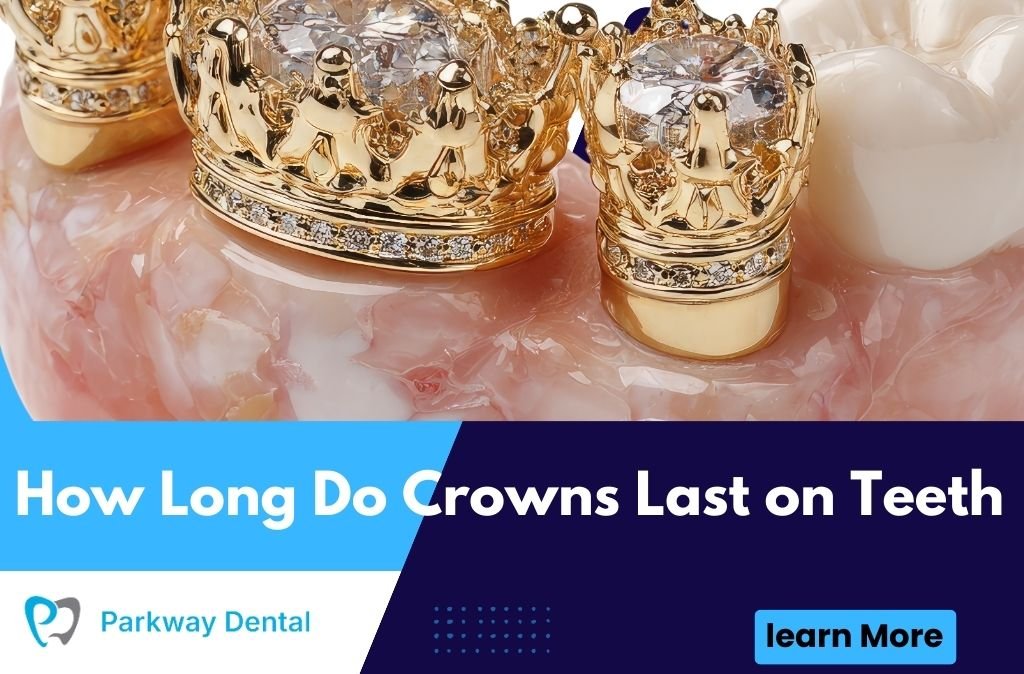
Gold or Metal Alloys
Extremely durable and long-lasting, these are often used on back teeth where visibility isn’t a concern. They withstand biting forces well.
Zirconia Crowns
Highly durable and natural-looking. Great for same-day crowns since many labs can mill them quickly.
How Does a Crown Work to Protect a Tooth?
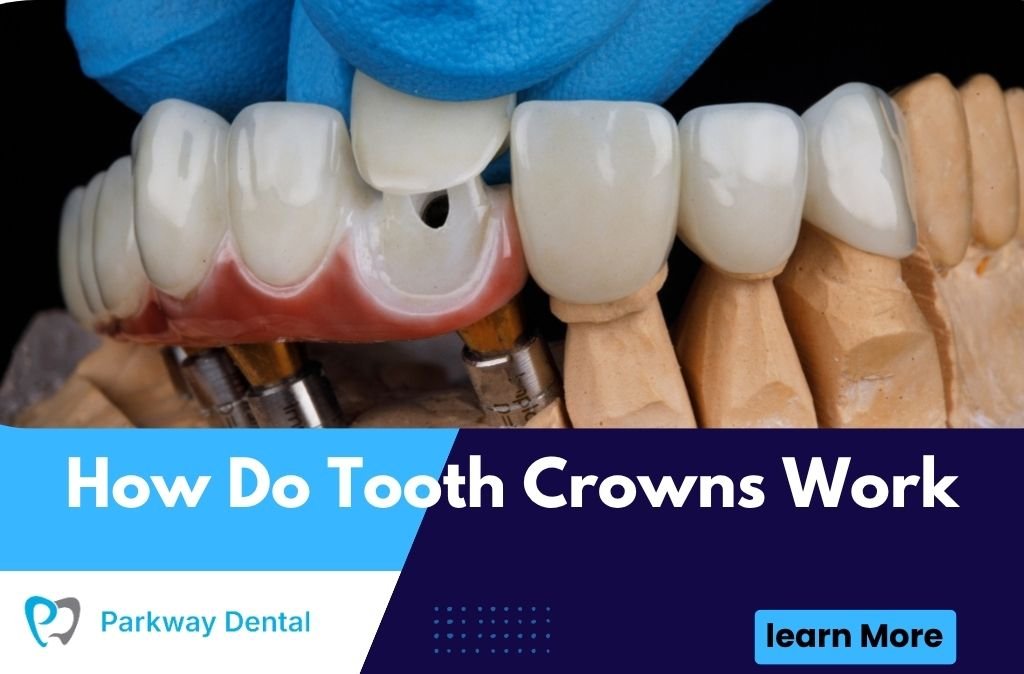
A crown encases the vulnerable tooth, distributing chewing forces evenly. It acts as a shield, preventing fractures and decay. Crowns maintain the tooth’s structure and function, preserving it when it’s too fragile for fillings.
The Dental Crown Process
The dental crown process begins with examining your tooth and preparing it by reshaping the surface. Your dentist then takes an impression or digital scan to create a custom-fit crown. A temporary crown is placed while the permanent one is made. Once ready, it’s cemented securely to restore strength and appearance.
Initial Consultation & Diagnosis
Your dentist examines the tooth, takes X-rays, and discusses if a crown is the best solution versus alternatives like fillings, inlays, or extraction.
Tooth Preparation
A thin layer of enamel is removed to create space for the crown. This ensures a snug, natural fit without bulk.
Impression or Digital Scan
A physical mold or digital scan captures the tooth’s shape. This is used to craft a custom crown that fits perfectly and matches your bite.
Temporary Crown Placement
A temporary crown protects the tooth while your permanent crown is fabricated, typically 1–2 weeks.
Permanent Crown Bonding
The final crown is cemented in place after checking fit, bite, and appearance. Minor adjustments ensure comfort.
Benefits of Getting a Crown
- Restores chewing ability and full function
- Prettier smile with natural-looking restoration
- Preserves tooth structure over replacements like implants
- Protects teeth after root canal treatment
- Lasts many years with good oral hygiene habits
Caring for Your Crown
Treat your crowned tooth just like your natural teeth:
- Brush twice a day with fluoride toothpaste
- Floss carefully around the crown margin
- Avoid hard or sticky foods that can damage the crown
- Wear a night guard if you grind your teeth
- Visit your dentist for regular checkups and cleanings
Longevity of Tooth Crowns
On average, crowns last between 10–15 years, often longer with good care. Wear patterns, oral habits, and material all influence how long your crown lasts. If repairs are needed, they’re usually simple and cost-effective.
Crowns vs. Alternatives
| Treatment | Pros | Cons |
| Tooth Crown | Strong, aesthetic, protective | Requires enamel removal, costlier |
| Filling | Quick, cheap, minimally invasive | Not durable if tooth is severely damaged |
| Inlay/Onlay | Conserves more tooth material | Limited coverage, still can deter decay |
| Extraction + Implant | Permanent replacement, durable | More invasive, higher cost, longer treatment time |
Crowns are often the preferred solution when keeping your natural tooth is possible and beneficial.
When Crowns Are Not an Option
- Severe bone loss or infection
- Low chance of structural stability
- Patient opts for implants or bridges instead
- Replacing multiple teeth or full-arch restorations
Always consult your dentist to evaluate options for your unique dental health.
Choosing the Right Crown Material for You
Factors to consider:
- Location: Front teeth prioritize appearance; back teeth need strength
- Bite forces: Heavy grinders benefit from durable materials
- Budget: Porcelain is affordable; zirconia and gold cost more
- Time constraints: Some offices offer same-day milling for zirconia
Your dentist helps match your priorities with the best crown type.
Signs Your Crown Needs Attention
Watch for:
- Persistent pain or sensitivity
- Crown becomes loose or chipped
- Discoloration or dark line at the gum margin
- Difficulty chewing or uneven bite
Contact your dentist promptly if you notice any issues—most can be fixed quickly.
Technology in Crown Placement
Modern dentistry leverages:
- CEREC/CAD-CAM systems – for single-visit crowns
- Digital scanning – no messy impressions
- High-precision milling – stronger, more accurate crowns
- High-definition photography – perfect shade matching
These tools enhance comfort, speed, and predictability.
Costs of Dental Crowns
Crown costs vary based on material and practice location. In general:
- Porcelain or ceramic crowns: mid-range
- PFM crowns: variable depending on metal
- Gold or zirconia: higher but longer-lasting
Ask your dentist about payment options or insurance coverage.
Preparing for Your Crown Appointment
To ensure a smooth process:
- Eat a full meal beforehand in case anesthesia is involved
- Bring a list of questions or concerns
- Discuss anesthesia, outpatient options, or sedation if you’re anxious
Being prepared helps make the visit comfortable and productive.
Conclusion
A dental crown is a reliable, long-lasting solution to restore your damaged tooth. It protects, strengthens, and beautifies your smile with durable and aesthetic results. With the right care, crowns can last decades, saving your natural tooth and preserving your function and confidence. For personal guidance and quality treatment, trust an experienced Dentist in West Roxbury, MA to help you choose, place, and maintain the perfect crown for your smile.
FAQs
Do crowns hurt when placed?
No—local anesthesia ensures a painless procedure.
How long does the crown process take?
Typically 2 visits over 1–2 weeks unless done same-day.
Can crowns stain like natural teeth?
Porcelain and zirconia resist stains; PFM may discolor over time at the gum line.
Will a crown fix a cracked tooth?
Yes—especially if the crack is small and the root is healthy.
Does dental insurance cover crowns?
Most plans cover part of the cost, especially when medically necessary.
Can I whiten a crown later?
No—crowns don’t respond to whitening. You’d need a replacement if color differs.
How do I know if my crown is loose?
If it wobbles or you feel movement while biting, see your dentist asap.
Are crowns visible when you smile?
Porcelain and zirconia are made to match tooth color and look natural.
Can crowns be removed if needed?
Yes—dentists can replace a crown if it’s damaged or doesn’t fit anymore.
Is crown better than extraction and implant?
If your tooth can be saved, a crown is often less invasive, faster, and cheaper than implant.