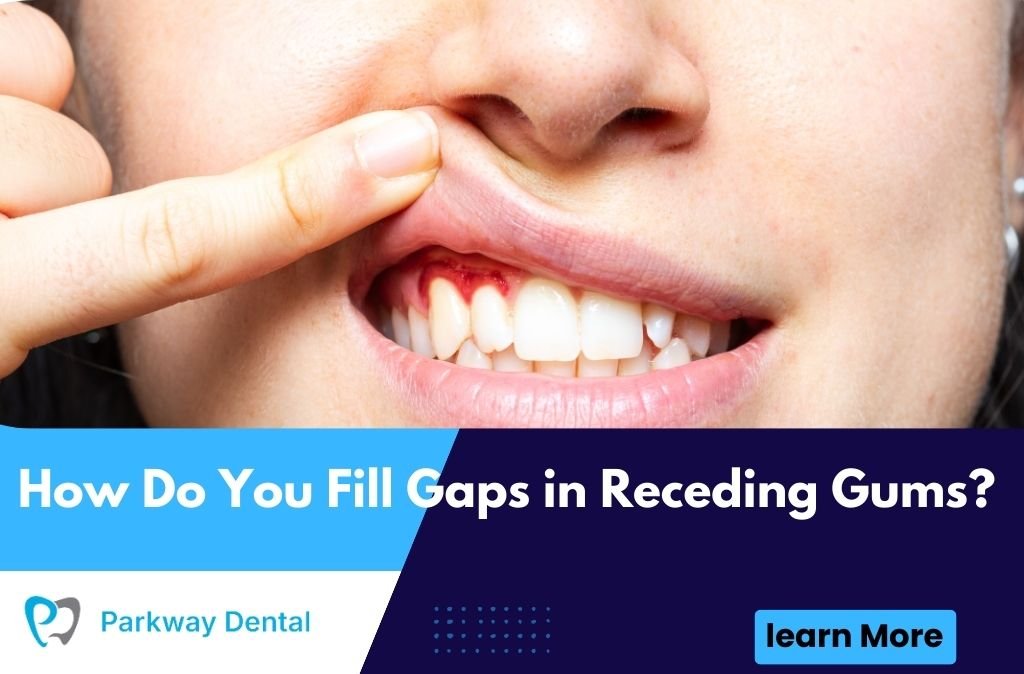
Discovering gaps between your teeth caused by receding gums can be both aesthetically concerning and functionally problematic. These spaces, often called “black triangles,” appear when gum tissue pulls away from teeth, creating unsightly voids and exposing vulnerable tooth surfaces. Many patients wonder whether these gaps can be filled and what options exist for restoring both appearance and oral health. This comprehensive guide explores the various methods dentists use to address gaps caused by gum recession, from minimally invasive cosmetic solutions to surgical tissue restoration, helping you understand which approach best suits your specific situation and goals.
Table of Contents
Understanding Gaps Caused by Receding Gums
Before exploring treatment options, understanding why gum recession gaps develop helps you make informed decisions about addressing them effectively.
Why Gaps Form Between Teeth
Gum tissue loss creates visible spaces between teeth at the gum line, commonly known as black triangles due to their dark appearance. Healthy gum tissue normally fills the space between adjacent teeth, creating a smooth, continuous contour. When gums recede due to periodontal disease, aggressive brushing, aging, or genetic factors, the papillae (triangular gum tissue between teeth) shrink or disappear entirely. The underlying bone loss that accompanies gum recession compounds the problem, as gum tissue follows bone contours. These gaps in teeth appear most prominently between front teeth where they significantly impact smile aesthetics.
Health Implications Beyond Appearance
While cosmetic concerns drive many patients to seek treatment, gaps from gum recession create functional problems requiring attention. Food particles and plaque accumulate more easily in these spaces, increasing cavity risk and gum inflammation. Exposed root surfaces lack protective enamel, making them vulnerable to decay and causing temperature sensitivity. The gaps can affect speech patterns, creating slight whistling sounds during conversation. Without proper cleaning, bacteria colonize these areas, potentially accelerating periodontal disease progression and causing additional tissue loss.
Factors Affecting Treatment Success
Several considerations influence which gap filling methods work best for individual patients. The amount of remaining gum tissue determines whether surgical regeneration is possible. The health of surrounding gums affects healing potential and treatment success rates. Bone support beneath the gums plays a crucial role in maintaining any restoration, whether surgical or cosmetic. Patient factors including smoking status, diabetes control, oral hygiene habits, and commitment to maintenance significantly impact long-term outcomes. Understanding these variables helps dentists recommend appropriate treatments aligned with realistic expectations.
Non-Surgical Methods to Fill Gum Recession Gaps
For patients seeking conservative approaches without surgery, several non-surgical treatments effectively address the appearance of gaps while protecting exposed tooth surfaces.
Composite Bonding for Gap Filling
Dental bonding represents the most common non-surgical solution for filling gaps caused by gum recession. This technique involves applying tooth-colored composite resin material to the exposed root areas and spaces between teeth. Dentists carefully sculpt the material to mimic natural tooth contours and fill visible voids. The resin bonds directly to tooth structure, creating seamless coverage of dark root surfaces and reducing the appearance of black triangles. Composite resin procedures typically require no anesthesia and can be completed in a single appointment, with each tooth taking approximately 30-60 minutes.
The material provides immediate aesthetic improvement, covering discolored roots and closing visible gaps. Bonding also reduces tooth sensitivity by insulating exposed root surfaces from temperature changes. The procedure is reversible and relatively affordable compared to surgical options, making it accessible for budget-conscious patients. However, composite material doesn’t replace actual gum tissue it masks the appearance of recession without addressing underlying tissue loss. Bonding typically lasts 3-7 years before requiring replacement or touch-ups, depending on location, bite forces, and oral habits. The material can stain over time, particularly with coffee, tea, wine, or tobacco use.
Porcelain Veneers for Comprehensive Coverage
When multiple teeth exhibit recession gaps and patients desire long-lasting aesthetic solutions, porcelain veneers offer superior durability and appearance. These thin ceramic shells cover entire tooth fronts, extending slightly below the gum line to fill recession gaps comprehensively. Veneers provide more predictable, stain-resistant results than bonding, typically lasting 10-15 years with proper care. The custom-fabricated restorations match natural tooth color precisely and resist discoloration from foods and beverages.
Veneer placement requires removing a thin layer of tooth enamel to accommodate the restoration thickness, making this an irreversible procedure. The process involves two appointments one for preparation and impressions, another for final placement. Dental veneers cost significantly more than bonding but provide superior longevity and aesthetics. This option works best for patients wanting comprehensive smile enhancement addressing both recession gaps and other cosmetic concerns like tooth discoloration, chips, or minor misalignment.
Hyaluronic Acid Gum Fillers
An emerging non-surgical option, hyaluronic acid fillers borrowed from cosmetic medicine now find application in dentistry for filling gum recession gaps. Similar to facial fillers, these injectable substances temporarily add volume to shrunken gum papillae, reducing or eliminating black triangles. The procedure takes approximately 15-30 minutes per treated area, requires no recovery time, and produces immediate results.
Results typically last 6-12 months before gradual absorption requires repeat treatment. While less invasive than surgery, fillers don’t provide permanent solutions and require ongoing maintenance treatments. The technique works best for small to moderate gaps where adequate surrounding tissue exists for injection. Gum fillers cost varies by provider and geographic location, typically ranging from $300-$800 per treatment area. This option appeals to patients wanting to trial gap correction before committing to permanent surgical procedures.
Surgical Solutions for Permanent Gap Correction
When patients want lasting results that actually regenerate tissue rather than just cosmetically masking gaps, gum graft surgery and related procedures offer definitive solutions.
Traditional Gum Grafting Techniques
Gum grafting remains the gold standard for filling recession gaps by actually regenerating lost tissue. The connective tissue graft technique, most commonly used, takes tissue from beneath the palate surface and secures it over exposed roots and into gap areas. As the graft heals, it integrates with existing tissue, filling spaces between teeth and providing natural-looking coverage. The free gingival graft uses surface palate tissue to create thicker, more robust tissue ideal for areas needing durability. Pedicle grafts rotate adjacent tissue into recession areas when adequate nearby tissue exists.
Success rates exceed 90% when patients follow post-operative instructions carefully. Gum graft recovery typically requires 1-2 weeks, with most discomfort resolving within a few days. Results are permanent, with grafted tissue functioning like natural gum tissue indefinitely. The procedure addresses both aesthetics and function, protecting exposed roots while eliminating gaps. However, traditional grafting involves surgical incisions, sutures, and healing periods that deter some patients despite excellent outcomes.
Pinhole Surgical Technique for Gap Reduction
The pinhole technique offers a minimally invasive alternative for appropriate candidates wanting to fill recession gaps without traditional surgery. This innovative approach creates tiny entry points in existing gum tissue, then uses specialized instruments to gently loosen and reposition tissue over exposed roots and into gap areas. Collagen strips inserted through the pinholes stabilize repositioned tissue during healing.
This method eliminates palate tissue harvesting, reducing discomfort and recovery time dramatically. No sutures are required, and multiple teeth can be treated in one appointment. Swelling and tenderness are minimal compared to traditional grafting. However, the technique requires adequate existing tissue for repositioning and may not completely fill large gaps or address severe recession. Success depends on tissue quality and the skill of the practitioner performing this specialized procedure.
Regenerative Procedures with Tissue Engineering
Advanced regenerative dentistry techniques use biologics to stimulate natural tissue growth, potentially filling gaps more predictably than traditional grafts alone. Platelet-rich fibrin (PRF) therapy concentrates healing factors from your own blood, then applies this material during gum procedures to enhance tissue regeneration. Enamel matrix derivatives (proteins present during tooth development) encourage formation of new bone, cementum, and periodontal ligament when applied during surgery.
These cutting-edge approaches often combine with traditional grafting for optimal outcomes. The biologics accelerate healing, reduce inflammation, and may produce better aesthetic results by promoting more natural tissue architecture. While adding cost to procedures, these advanced gum treatments represent the forefront of periodontal regeneration science, offering enhanced outcomes for motivated patients seeking optimal results.
Treatment Options in West Roxbury, MA
Patients seeking comprehensive care for filling gum recession gaps benefit from understanding the full spectrum of available treatments and choosing practitioners experienced in modern techniques.
Comprehensive Evaluation and Treatment Planning
Effective gap treatment begins with thorough assessment of recession severity, remaining tissue quantity and quality, bone support levels, and overall periodontal health. Dental professionals use clinical examination, measurements, and radiographs to determine which treatments offer the best success probability for each patient’s unique situation. Some gaps respond well to simple bonding, while others require comprehensive surgical reconstruction for optimal outcomes.
Treatment planning considers not just current appearance but also long-term prognosis and maintenance requirements. Addressing underlying causes—whether periodontal disease, grinding habits, or improper oral hygiene—ensures lasting results regardless of chosen treatment. Many patients benefit from phased approaches: first stabilizing gum health through deep cleaning, then performing surgical or cosmetic procedures once optimal conditions exist.
Combining Multiple Treatment Modalities
Often, the best results come from combining approaches that address different aspects of the problem. Gum grafting first regenerates tissue where possible, filling gaps structurally. Once healed, strategic dental bonding or veneers can address any remaining aesthetic concerns that grafting alone couldn’t completely resolve. This comprehensive strategy maximizes both functional protection and cosmetic outcomes.
Some practitioners combine surgical techniques with regenerative biologics like PRF for enhanced healing. Others use temporary fillers to preview outcomes before committing to permanent surgical procedures. Discussing all available options with experienced providers ensures you select treatments aligned with your goals, timeline, and budget while achieving optimal aesthetic and functional results.
Conclusion
Filling gaps caused by receding gums involves choosing between cosmetic coverage and actual tissue regeneration based on your priorities, budget, and recession severity. Composite bonding and hyaluronic acid fillers offer quick, affordable solutions for cosmetic improvement without surgery. Gum grafting provides definitive, permanent correction by actually regenerating lost tissue. The pinhole technique combines minimal invasiveness with lasting results for appropriate candidates. Many patients achieve optimal outcomes by combining treatments addressing periodontal health first, then performing grafting or cosmetic procedures as needed.
For comprehensive evaluation and personalized treatment recommendations, consulting with an experienced Dentist in West Roxbury, MA ensures you receive care tailored to your specific situation.
Frequently Asked Questions
How to fix gaps in teeth from receding gums?
Multiple options exist for fixing gaps from receding gums. Composite bonding fills gaps cosmetically by applying tooth-colored resin to exposed root areas and spaces between teeth, providing immediate improvement in one appointment. Gum grafting actually regenerates tissue, filling gaps structurally for permanent correction. Porcelain veneers cover multiple teeth comprehensively, eliminating gaps while addressing other cosmetic concerns. The pinhole technique repositions existing tissue minimally invasively. Hyaluronic acid fillers temporarily plump receded papillae. The best option depends on gap severity, remaining tissue, budget, and whether you want cosmetic masking or actual tissue regeneration.
Is there a filler for receding gums?
Yes, hyaluronic acid gum fillers adapted from cosmetic medicine can temporarily fill gaps caused by receding gums. These injectable substances add volume to shrunken gum papillae, reducing black triangles between teeth. Results last 6-12 months before requiring repeat treatment. Fillers work best for small to moderate gaps and provide immediate results without surgery or recovery time. However, they don’t regenerate actual gum tissue or provide permanent solutions. Composite bonding offers another type of “filler” using tooth-colored resin to fill gaps permanently until the material eventually needs replacement.
Can receding gums be filled?
Yes, receding gums and resulting gaps can be filled through various methods. Surgical gum grafting actually fills recession by regenerating tissue, providing permanent structural correction. Dental bonding fills exposed root areas and gaps cosmetically with composite resin, lasting 3-7 years. Hyaluronic acid injections temporarily fill gaps by adding volume to receded tissue. Porcelain veneers cover recession comprehensively, filling gaps while enhancing overall aesthetics. The pinhole technique repositions existing tissue to fill recession areas. The best filling method depends on whether you want actual tissue regeneration or cosmetic coverage of the recession.
What do dentists use to cover receding gums?
Dentists use several materials to cover receding gum areas. Gum grafts using tissue from your palate or donor sources provide biological coverage that integrates permanently. Composite resin bonding covers exposed roots with tooth-colored material, protecting surfaces and improving appearance. Porcelain veneers or crowns cover entire tooth fronts including receded areas. Hyaluronic acid fillers temporarily add volume to receded papillae. Some dentists apply pink-colored composite or porcelain to mimic gum tissue appearance. The choice depends on recession extent, aesthetic goals, functional needs, and whether structural tissue regeneration or cosmetic coverage is preferred.
What is the new procedure for receding gums?
The pinhole surgical technique represents one of the newest minimally invasive procedures, repositioning existing tissue through tiny entry points without traditional incisions or grafting. Platelet-rich fibrin (PRF) therapy uses concentrated healing factors from your blood to enhance tissue regeneration during procedures. Laser-assisted gum surgery offers precise, comfortable treatment with faster healing. Hyaluronic acid fillers provide non-surgical gap filling borrowed from cosmetic medicine. Tissue-stimulating proteins (enamel matrix derivatives) promote natural regeneration when applied during surgery. These advanced treatments provide excellent results with reduced discomfort and recovery time compared to traditional approaches.
How much are gum fillers?
Gum filler costs using hyaluronic acid injections typically range from $300-$800 per treatment area, varying by geographic location, practitioner experience, and number of gaps treated. Results last 6-12 months, requiring repeat treatments for maintenance. Composite bonding for gap filling costs approximately $300-$600 per tooth and lasts 3-7 years before needing replacement. Gum grafting surgery ranges from $600-$1,200 per tooth but provides permanent results. Porcelain veneers cost $1,000-$2,500 per tooth with 10-15 year longevity. Insurance may cover medically necessary gum grafting but rarely covers cosmetic procedures like fillers, bonding, or veneers.