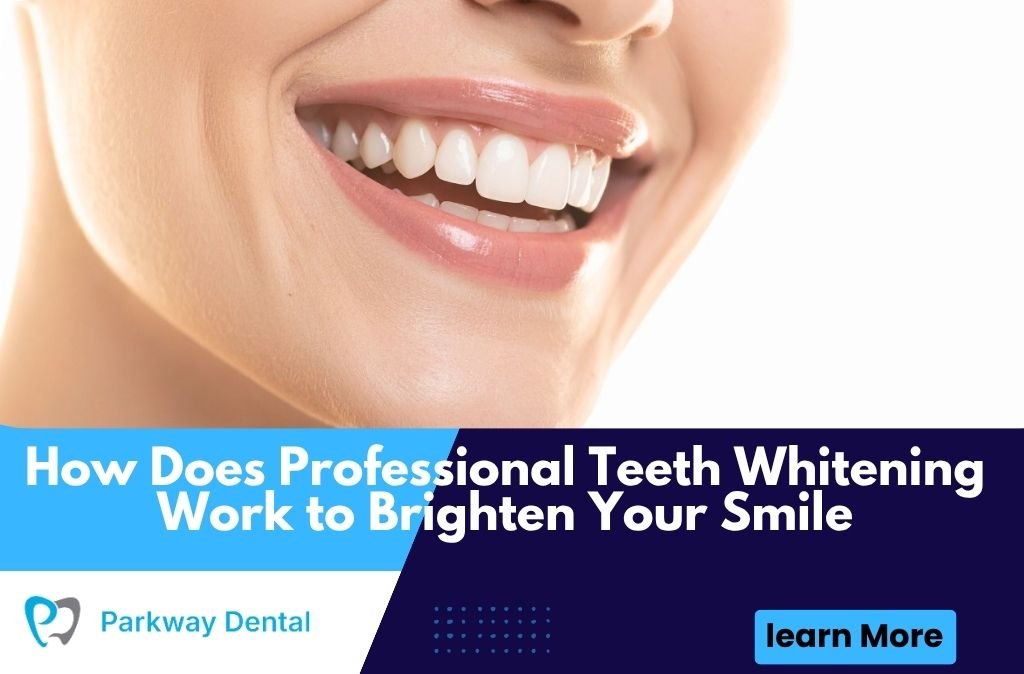
A bright smile is one of the first things people notice. It reflects confidence, health, and vitality. Over time, however, our teeth naturally darken due to food, aging, habits, and lifestyle factors. This leads people to ask one common question: How does professional teeth whitening actually work?
Professional whitening is a safe, controlled cosmetic procedure performed by a trained dental expert. It uses advanced whitening agents, specialized technology, and precise application techniques to remove deep stains that over-the-counter products cannot reach. Understanding how it works helps you make informed decisions about improving your smile.
This in-depth guide explains the entire process, from the science of tooth discoloration to the exact steps performed during a professional whitening session. You’ll learn why professional whitening is more effective, how long results last, and what to expect before, during, and after treatment.
Understanding Professional Teeth Whitening
Professional teeth whitening is a cosmetic dental procedure that lightens tooth color and removes staining. It uses dentist-approved whitening gels containing hydrogen peroxide or carbamide peroxide ingredients strong enough to penetrate enamel and break apart stain molecules.
What Makes Professional Whitening Different?
Professional whitening isn’t just stronger. It is safer, carefully monitored, and customized. Dentists examine your oral health first to ensure the treatment is appropriate. They target the correct shade, use protective barriers, and apply whitening agents precisely while monitoring your comfort.
How In-Office Whitening Differs From Store-Bought Kits
Retail kits use much lower peroxide levels, usually around 3–10%. Professional whitening gels may range from 25% to 40%, depending on your needs. This difference dramatically affects whitening power and speed.
Store kits also use tray sizes that aren’t customized, meaning the gel may not reach all teeth evenly. In contrast, dental-grade trays and controlled application ensure even, predictable results.
Why Teeth Become Stained or Discolored
Before understanding the whitening process, it helps to know why teeth stain. Not all discoloration is the same, and understanding the cause helps determine the right whitening approach.
Extrinsic Stains: Surface-Level Discoloration
Extrinsic stains occur on the enamel surface. These are caused by foods, drinks, and lifestyle habits.
Common Causes of Extrinsic Stains
Coffee, tea, soda, red wine, berries, and curry are top staining foods. Tobacco products leave yellow or brown deposits. Poor oral hygiene allows plaque and tartar to trap stains more easily. These stains respond best to whitening.
Intrinsic Stains: Deep Tooth Discoloration
Intrinsic stains develop inside the tooth. They are harder to treat but can still be improved with advanced whitening systems.
Causes of Intrinsic Staining
Aging thins enamel, exposing more yellow dentin. Trauma to a tooth may cause internal bruising. Certain medications such as tetracycline antibiotics create deeper discoloration. Even excessive fluoride intake during childhood can change tooth color.
Age-Related Discoloration
Age combines both intrinsic and extrinsic factors. Enamel wears down naturally, and pigmentation settles deeper in the tooth structure.
Why Aging Teeth Darken Faster
Over time, years of food pigments, environmental stains, and enamel thinning create a darker appearance. Professional whitening is particularly effective for age-related staining because it targets multiple layers of discoloration.
The Science Behind Professional Teeth Whitening
Professional whitening uses peroxide-based agents that penetrate enamel. These whitening molecules target chromophores — deep pigment molecules responsible for discoloration — and break them down through oxidation.
How Hydrogen Peroxide Whitens Teeth
Hydrogen peroxide releases oxygen molecules. These molecules penetrate enamel pores and react with underlying stains.
Oxidation: The Key Whitening Reaction
During oxidation, oxygen molecules break apart the bonds that hold stain compounds together. This process removes dark pigments and lightens the underlying structure without damaging enamel.
Carbamide Peroxide and Its Whitening Role
Carbamide peroxide breaks down into hydrogen peroxide and urea. It works more slowly but lasts longer in trays.
Why Carbamide Peroxide Works Well for Take-Home Kits
Since it breaks down gradually, carbamide peroxide is ideal for custom take-home trays recommended by dentists. It offers gentle, extended whitening and minimal sensitivity.
How Enamel Allows Whitening Agents to Work
Although enamel is the hardest substance in the body, it is naturally porous.
Enamel Porosity and Whitening Effectiveness
Enamel contains microscopic tubules. Whitening agents travel into these tubules and reach the discolored molecules inside. Whitening does not damage enamel; it simply cleans what’s inside the tubules.
What Happens During a Professional Teeth Whitening Appointment?
Understanding the step-by-step process helps ease anxiety and prepares you for treatment.
Initial Examination and Cleaning
The first step involves evaluating your teeth and gums, checking for issues like decay or sensitivity.
Why Dentists Clean Before Whitening
A professional cleaning removes plaque and tartar that block whitening gel from penetrating deeply. This ensures more consistent, brighter results.
Shade Assessment and Customization
Your dentist measures your current tooth shade and asks about your goals.
How Shade Guides Help Determine Results
Shade guides display many tooth color levels. These help the dentist choose a realistic target based on your natural enamel and staining type.
Applying Protective Barriers
Before whitening, your dentist protects your lips, gums, and cheeks.
Why Gum Protection Is Essential
Professional whitening gels are strong. Isolation barriers prevent gum irritation, ensuring the whitening gel stays exactly where it should.
Application of Whitening Gel
After isolating the area, your dentist applies a peroxide whitening gel to your teeth.
How Gel Activation Works
Some whitening systems use LED or laser lights to enhance gel performance. Others rely on specially formulated chemical reactions. Both methods achieve deep stain removal.
Multiple Gel Reapplications
Most professional treatments involve 2–4 rounds of gel application.
Why Several Cycles Are Needed
Each cycle lifts stains layer by layer. Removing deep discoloration takes time, and multiple applications ensure significant whitening without harming enamel.
Final Rinse and Post-Treatment Fluoride
After whitening, your dentist rinses your teeth and may apply fluoride.
How Fluoride Reduces Sensitivity
Fluoride strengthens enamel, seals tubules, and reduces any temporary sensitivity from whitening agents.
In-Office Whitening vs. Take-Home Whitening Trays
Dentists offer both options, and each has unique advantages.
What In-Office Whitening Provides
In-office whitening delivers dramatic results in a single visit using high-strength peroxide.
Why Patients Prefer In-Office Whitening
It’s fast, controlled, and performed entirely by professionals. Many patients see results of several shades lighter almost immediately.
Benefits of Take-Home Whitening Kits
Custom trays offer flexibility and gradual whitening.
How Custom Trays Improve Safety and Comfort
Because trays are molded to your teeth, the gel stays in place, avoiding irritation. They also ensure even whitening across all tooth surfaces.
How Long Do Professional Whitening Results Last?
With proper care, professional whitening results typically last from six months to three years.
Factors That Influence Longevity
Certain habits impact how long your bright smile lasts.
Foods and Drinks Affect Whiteness
Coffee, tea, wine, and dark sauces stain teeth quickly. Your dentist may recommend limiting these to maintain brightness.
Good Oral Hygiene Extends Results
Brushing, flossing, and regular cleanings keep stains from building.
Daily Habits to Maintain Whiteness
Drinking through a straw, rinsing after meals, and avoiding smoking contribute to longer-lasting results.
Types of Professional Whitening Systems Dentists Use
Dentists may choose from several advanced systems.
Light-Activated Whitening
Some systems use LED lights or lasers.
How Light Boosts Whitening Power
Light helps accelerate the chemical reaction, allowing deeper and faster stain breakdown.
Non-Light Whitening Systems
Other whitening gels are chemically activated.
Why Chemically Activated Systems Are Effective
These formulas rely on powerful peroxide chemistry, eliminating the need for lights while producing equally strong results.
Is Professional Teeth Whitening Safe?
Professional whitening is very safe when performed under dental supervision.
Why Dentists Monitor Every Step
Dentists understand enamel, tooth structure, and sensitivity.
Protection From Overuse and Damage
DIY overuse can harm enamel. Dentists prevent misuse and ensure balanced whitening.
Managing Whitening Sensitivity
Some sensitivity is normal.
How to Reduce Whitening Sensitivity
Desensitizing toothpaste, fluoride treatments, and shorter whitening sessions help minimize sensitivity.
Who Is a Good Candidate for Professional Whitening?
Professional whitening works for many people, but not everyone.
Ideal Candidates
Healthy gums and intact enamel produce the best results.
When Whitening May Not Work
Severe intrinsic stains, exposed roots, and restorations may not respond to whitening gels.
Why Dental Restorations Don’t Whiten
Crowns, veneers, and fillings do not lighten with peroxide.
Matching Restorations After Whitening
Sometimes, restorations need replacement to match the brightened natural teeth.
Benefits of Professional Teeth Whitening
Professional whitening offers numerous advantages.
Fast, Noticeable Results
You see changes immediately.
Better Than Store Products
Store kits cannot match dental-grade whitening power.
More Even Whitening
Dentist application ensures uniform results.
Why Uneven Whitening Happens at Home
Improper tray fit or gel distribution leads to patchy whitening.
Customized Treatment
Dentists tailor the process.
Why Customization Matters
Every patient has different needs, enamel thickness, and sensitivity levels.
Longer-Lasting Brightness
Professional results last significantly longer.
How Dentists Seal Whitening Results
Fluoride and post-treatment care prolong brightness.
Understanding Sensitivity During Whitening
Sensitivity is often temporary.
Why Whitening Causes Sensitivity
Peroxide opens enamel tubules slightly.
How Long Sensitivity Lasts
Usually 24–48 hours, depending on your enamel type.
Tips to Reduce Sensitivity
Your dentist can guide you.
Simple Habit Changes
Avoid cold foods and use sensitivity toothpaste.
Post-Whitening Care Tips
After whitening, protecting your new smile is essential.
Avoid Staining Foods for 24–48 Hours
Your teeth are more porous temporarily.
Foods to Avoid
Coffee, soda, berries, wine, tomato sauces, and colored drinks.
Brush and Floss Gently
Maintain oral hygiene without irritating enamel.
Why Gentle Brushing Matters
Enamel may be slightly dehydrated after whitening.
Regular Dental Cleanings Help Maintain Brightness
Professional cleanings remove new surface stains.
How Hygienists Preserve Whitening Results
Scaling and polishing keep enamel smooth and bright.
Common Misconceptions About Teeth Whitening
Many people misunderstand how whitening works.
Whitening Does Not Harm Enamel
This is a widely believed myth.
How Whitening Truly Affects Teeth
It removes stain molecules, not enamel layers.
Whitening Does Not Make Teeth Paper White
Everyone has a natural shade.
Understanding Your Tooth Color Limit
Dentists help you reach your natural bright shade safely.
At-Home Whitening Maintenance Options
Besides touch-up sessions, dentists recommend safe home options.
Custom Trays for Touch-Up Whitening
Used occasionally to refresh brightness.
How Often to Use Touch-Ups
Most patients whiten every few months.
Whitening Toothpaste and Rinses
These control surface stains.
Why They Don’t Replace Professional Treatments
They only remove minor daily discoloration.
Cost of Professional Teeth Whitening
Costs vary but reflect quality and safety.
What Affects Whitening Cost?
Material type, technology, and number of sessions.
Why Professional Whitening Is Worth It
Results last longer and look significantly more natural.
Conclusion
Professional teeth whitening is a safe, powerful, and effective way to brighten your smile. With strong whitening agents, customized care, and expert supervision, dentists remove deep stains that over-the-counter products cannot reach. Understanding how the process works helps you appreciate the value of professional treatment. It restores your confidence, enhances oral aesthetics, and gives you a brighter, healthier-looking smile that lasts. For dependable, safe, and long-lasting results, trust Professional teeth Whitening in West Roxbury, MA to transform the appearance of your smile with comfort and precision.
FAQs
How long do professional teeth whitening results last?
Results can last from six months to three years depending on lifestyle habits, oral hygiene, and maintenance.
Is professional whitening better than store products?
Yes. Professional whitening uses stronger gels and precise application for faster, more predictable, and longer-lasting results.
Is teeth whitening safe for sensitive teeth?
Yes, with proper management. Dentists customize treatment to reduce sensitivity.
How white can my teeth get?
Your natural enamel shade determines the limit. Dentists help you achieve your brightest healthy shade.
Does whitening damage enamel?
No. Professional whitening safely breaks down stain molecules without removing enamel.
Can crowns or fillings be whitened?
No. Restorations do not respond to peroxide and may need replacement to match your new shade.
How soon can I eat after whitening?
You can eat immediately but should avoid staining foods for 24–48 hours.