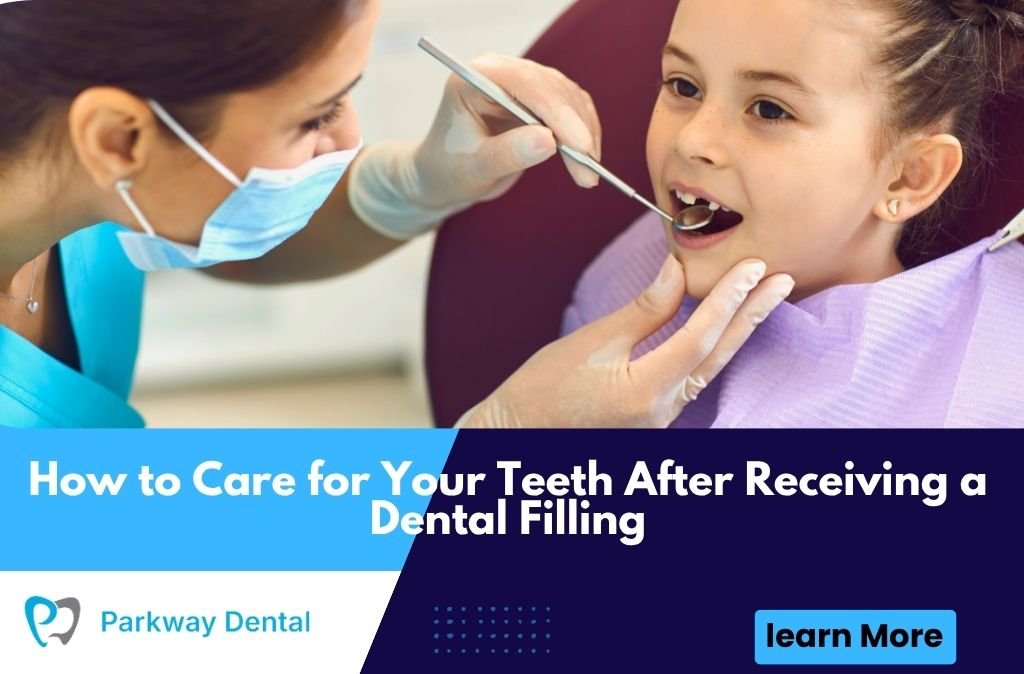
Proper care after a dental filling ensures long-term strength, comfort, and a healthy, bright smile. Whether you received a composite filling, amalgam filling, or tooth-colored filling, post‑treatment care helps prevent sensitivity, secondary decay, and damage. This guide covers how to eat, clean, and maintain your filling for optimal health!
First 24 Hours After a Dental Filling: Do’s and Don’ts
How you handle the first day after filling placement affects comfort and long-term success.
Avoid Eating Until Numbness Wears Off
Wait until anesthesia sensations fully fade before eating. Bite risk is high while numb, and accidental chewing on soft tissue can lead to injury.
Choose Soft Foods and Warm Temperature
Eat soft foods like soup, mashed potatoes, yogurt, or bananas. Avoid hot or crunchy foods near the filled tooth to prevent discomfort or displacement.
Managing Sensitivity and Discomfort
Mild sensitivity is common after a new filling but typically resolves quickly.
Use Gentle Toothpaste for Sensitive Teeth
Switch to a desensitizing fluoride toothpaste if the treated area feels sensitive to cold, hot, or sweet food. Sensitivity often fades within a few days.
Choose Over-the-Counter Pain Relief if Needed
If discomfort lingers, consider ibuprofen or acetaminophen as directed. Contact your dentist if pain persists beyond a week.
Daily Oral Hygiene Habits for Longevity
Good daily care preserves the filling’s integrity and keeps decay at bay.
Brush Twice Daily with Fluoride Toothpaste
Use a soft-bristled toothbrush and brush gently, especially around the margins of the filling. Fluoride helps remineralize enamel and seal microscopic gaps.
Floss Carefully Around the Filling
Floss near the filling site but avoid snapping tape directly against it. Use a C-shape floss motion to avoid dislodging or damaging the edge of the filling.
What to Do If Food Feels Trapped or You Feel Rough Edges
Sometimes fillings settle unevenly and trap food.
Rinse Thoroughly After Meals
After eating, rinse with water to dislodge particles. If food continues trapping, contact your dentist for a quick adjustment.
Schedule an Adjustment Visit if You Detect Roughness
If your tongue catches on the surface or it feels bumpy, a minor filing adjustment during a recall appointment can smooth it out.
Avoiding Oral Habits That Damage Fillings
Some habits wear fillings prematurely or cause fractures.
Skip Chewing Hard Objects
Avoid chewing on ice, hard candy, fingernails, or pens. Fillings can chip under direct pressure.
Use a Night Guard if You Grind Your Teeth
Bruxism (teeth grinding) can weaken both enamel and filling material. A custom night guard protects surfaces and prolongs the lifespan of fillings.
What to Expect at Your Follow-Up Dental Appointment
A recall visit helps detect emerging issues before they escalate.
Dental Exam and X-Ray to Check Integrity
At your next hygiene visit, the dentist will visually inspect the filling and likely take an X-ray to ensure there’s no recurrent decay around it.
Professional Cleaning and Polishing
During cleaning, your hygienist will polish teeth and remove plaque buildup—crucial for maintaining a strong seal around the filling edges.
Long-Term Maintenance to Protect Dental Fillings
With proper care, most fillings last 5–10 years or longer.
Brush, Floss, and Use Mouthwash Regularly
Consistent oral hygiene prevents decay at filling edges and keeps surrounding areas healthy.
Avoid Excessive Sugar and Acidic Drinks
Limit sugary snacks, soda, citrus juices, and wine. These can erode enamel and harm restoration margins.
What If You Experience Sensitivity Weeks After a Filling?
Sensitivity that lingers or develops later may signal a deeper issue.
Delayed Tooth Sensitivity Explained
Sometimes, nerves under a filling react to the pressure or temperature changes. This can happen with deep cavity fillings or if bite alignment is slightly off.
When to Contact Your Dentist
If sharp pain, biting discomfort, or cold sensitivity lasts more than 2–3 weeks, schedule a visit. You might need an adjustment or bite correction.
Can Fillings Break or Fall Out? What to Do
Dental fillings can wear or fracture due to age, habits, or underlying issues.
Signs of a Failing Filling
If you feel a sharp edge, food getting stuck, or your floss starts tearing—your filling may be damaged. Also watch for color changes or pressure pain.
Temporary Fixes vs Professional Repair
Avoid using DIY kits or glue. Instead, chew on the opposite side and call your dentist promptly. A small repair is better than a full replacement.
Understanding the Lifespan of Filling Materials
Different materials wear differently—and some need more maintenance than others.
Composite Fillings
Tooth-colored and discreet, composite resin fillings last 5–8 years on average. They’re best for front teeth or visible areas.
Amalgam Fillings
Silver-colored amalgam fillings are more durable, often lasting 10–15 years, but they’re less aesthetic.
Gold or Ceramic Fillings
Though rare, gold and porcelain fillings can last 15–30 years with excellent oral hygiene and cost more.
Seasonal Dental Care Tips for Fillings
Your teeth may react differently during seasonal shifts.
Winter Sensitivity
Cold air can trigger heightened tooth sensitivity—especially around metal or composite restorations. Use a fluoride rinse or toothpaste to reduce discomfort.
Summer Sugar Caution
Summer treats like ice cream, soda, and fruit juice can accelerate erosion. Rinse with water after sweets and limit acidic drinks.
Dental Filling Aftercare for Children
Kids often receive fillings for cavities caused by sugar, brushing habits, or poor flossing.
What to Watch in Younger Patients
Make sure children don’t chew on hard toys or eat until numbness fades. Encourage soft food and supervised brushing around the filling site.
Sealants and Follow-up
Ask about dental sealants to protect molars. Regular exams ensure the filling stays secure and doesn’t trap plaque or food.
How Long Should a Filling Last? When to Replace It
Nothing lasts forever—but proactive care can extend your filling’s lifespan.
Warning Signs for Replacement
Watch for: discoloration, cracks, leaking, pain, or food packing. These could mean the seal between tooth and filling has weakened.
Routine Dental Exams Catch Problems Early
Dentists use X-rays and visual checks to spot failing fillings before they become major issues. Stick to biannual visits to stay ahead.
Conclusion
A dental filling restores strength, shape, and function—but your job doesn’t end at the dentist’s chair. With smart care habits, awareness of sensitivity, and avoiding damage, your tooth filling can last for years without issue.
From managing early healing to long-term upkeep, being proactive protects both the filling and the tooth it covers. And if you’re ever unsure or experiencing symptoms, a trusted Dentist in West Roxbury, MA can guide you, adjust your bite, or refresh a worn filling—helping you keep your smile strong, clean, and pain-free.
FAQs
How soon can I eat after getting a filling?
Wait until numbness wears off—usually 2–3 hours. Start with soft, mild foods.
What should I avoid after a dental filling?
Avoid sticky, hard, or extremely hot foods for at least 24 hours. Skip chewing on the side of the new filling.
Is it normal to feel sensitivity after a filling?
Yes, especially with composite fillings. It can last days or weeks. Use a sensitive toothpaste and avoid cold foods.
Can I brush and floss like normal?
Yes, but brush gently around the filling, and floss carefully to avoid dislodging the edges.
How long does a filling last?
Composite fillings last 5–8 years. Amalgam or gold fillings can last 10–30 years with good care.
What causes a filling to fail early?
Bruxism, biting hard items, poor oral hygiene, and acidic diets can all lead to early wear or cracking.
Can I whiten teeth with a filling?
Whitening doesn’t change the color of fillings. You may need to replace the filling for color matching after whitening.
How will I know if my filling fell out?
You may feel a hole, sharp edge, or sudden sensitivity. If so, call your dentist for repair.
Are fillings permanent?
No—they’re durable but not forever. They can wear, crack, or leak over time, so regular dental checkups are key.
How often should I get my fillings checked?
Twice a year during your routine dental exams, your dentist will inspect all restorations for wear or damage.