Discovering you have a cavity can feel overwhelming, especially when you’re unsure about treatment options and worried about potential pain or cost. Dental cavities, also known as tooth decay, affect people of all ages and represent one of the most common chronic conditions worldwide. Understanding how cavities form, recognizing early warning signs, and knowing effective treatment methods empowers you to take control of your oral health. This comprehensive guide explores proven strategies for eliminating cavities, preventing new ones from forming, and maintaining optimal dental health for years to come.
Table of Contents
Understanding What Cavities Are and How They Form
Before exploring treatment options, understanding the cavity formation process helps you appreciate why certain treatments work and how prevention strategies protect your teeth.
The Science Behind Tooth Decay
Tooth decay begins when bacteria in your mouth consume sugars and starches from food, producing acids as waste products. These acids attack tooth enamel—the hard, protective outer layer of teeth gradually dissolving minerals in a process called demineralization. Initially, this damage appears as white spots indicating mineral loss. Without intervention, the acid continues eroding enamel, eventually creating a hole or cavity in the tooth structure. Once decay penetrates through enamel into the softer dentin layer beneath, it progresses more rapidly, potentially reaching the tooth’s inner pulp chamber containing nerves and blood vessels.
Risk Factors That Accelerate Decay
Several factors increase your cavity risk beyond simply eating sweets. Frequent snacking or sipping sugary beverages provides constant fuel for acid-producing bacteria. Poor oral hygiene allows plaque buildup, a sticky bacterial film that clings to teeth and produces acids continuously. Dry mouth conditions reduce saliva flow, eliminating your natural defense mechanism that neutralizes acids and remineralizes teeth. Deep tooth grooves and pits trap food and bacteria, making thorough cleaning difficult. Worn fillings or dental work create spaces where bacteria accumulate. Some medications, medical conditions, and genetic factors predispose individuals to higher decay rates regardless of oral hygiene efforts.
Stages of Cavity Development
Recognizing early tooth decay allows intervention before extensive damage occurs. Initial demineralization appears as chalky white spots on enamel at this stage, the process can be reversed through remineralization strategies. As decay progresses into enamel proper, a brown or black spot develops, indicating irreversible damage requiring professional treatment. When decay reaches dentin, sensitivity to sweet, hot, or cold substances becomes noticeable. Advanced cavities penetrating toward the pulp cause spontaneous pain, severe sensitivity, and visible holes in teeth. Understanding these stages helps you seek timely treatment before minor issues become major problems.
Early-Stage Cavity Reversal Through Remineralization
During the very earliest stages of decay, before actual cavities form, remineralization techniques can reverse damage and prevent progression to holes requiring fillings.
Fluoride Treatments for Strengthening Enamel
Fluoride represents the most effective tool for reversing early decay and strengthening tooth enamel against future acid attacks. This mineral helps rebuild weakened enamel by attracting other minerals like calcium and phosphate, creating a stronger, more acid-resistant surface. Professional fluoride treatments at dental offices provide concentrated applications of fluoride varnish, gel, or foam that significantly boost remineralization. These in-office treatments take just minutes and provide benefits lasting several months.
At home, using fluoride toothpaste twice daily delivers consistent mineral reinforcement. Fluoride mouthrinses provide additional protection, particularly beneficial for high-risk individuals. Prescription-strength fluoride products offer even greater remineralization potential for patients with multiple cavities or very early decay. Drinking fluoridated water throughout the day maintains protective fluoride levels in saliva. These combined fluoride strategies can halt and reverse decay during the white-spot stage before cavities require drilling and filling.
Calcium and Phosphate Therapy
Beyond fluoride, emerging remineralization technologies utilize calcium phosphate compounds to rebuild enamel. Products containing casein phosphopeptide-amorphous calcium phosphate (CPP-ACP) deliver bioavailable calcium and phosphate directly to tooth surfaces. These compounds bind to enamel, creating a reservoir of minerals that helps repair early decay and protect against future acid attacks. Some professional treatments apply these materials as creams or varnishes, while consumer products include special toothpastes and chewing gums containing remineralizing compounds.
Research shows these technologies effectively reduce white spot lesions and strengthen enamel when used consistently over several months. While they cannot reverse established cavities requiring fillings, they excel at halting decay progression during the earliest stages and protecting teeth in high-risk individuals. Combining calcium phosphate therapy with fluoride treatments provides synergistic benefits greater than either approach alone.
Diet Modifications for Remineralization Support
Your dietary choices significantly impact whether teeth remineralize or continue decaying. Reducing sugar and refined carbohydrate consumption eliminates the primary fuel source for acid-producing bacteria. Limiting acidic beverages like sodas, sports drinks, and citrus juices prevents direct acid erosion of enamel. Eating cheese, milk, and other dairy products provides calcium and phosphate while stimulating saliva production—your mouth’s natural defense system.
Crunchy vegetables like celery and carrots stimulate saliva flow while physically cleaning tooth surfaces. Sugar-free gum containing xylitol a natural sweetener bacteria cannot metabolize reduces bacterial populations while promoting saliva production. Drinking water throughout the day, particularly after meals, helps rinse away food particles and neutralize acids. These dietary changes for cavity prevention support your body’s natural remineralization processes, giving early decay the best chance of reversing without professional intervention.
Professional Treatments to Remove Established Cavities
Once decay progresses beyond the reversible white-spot stage, professional dental treatment becomes necessary to remove damaged tissue and restore tooth structure.
Traditional Dental Fillings
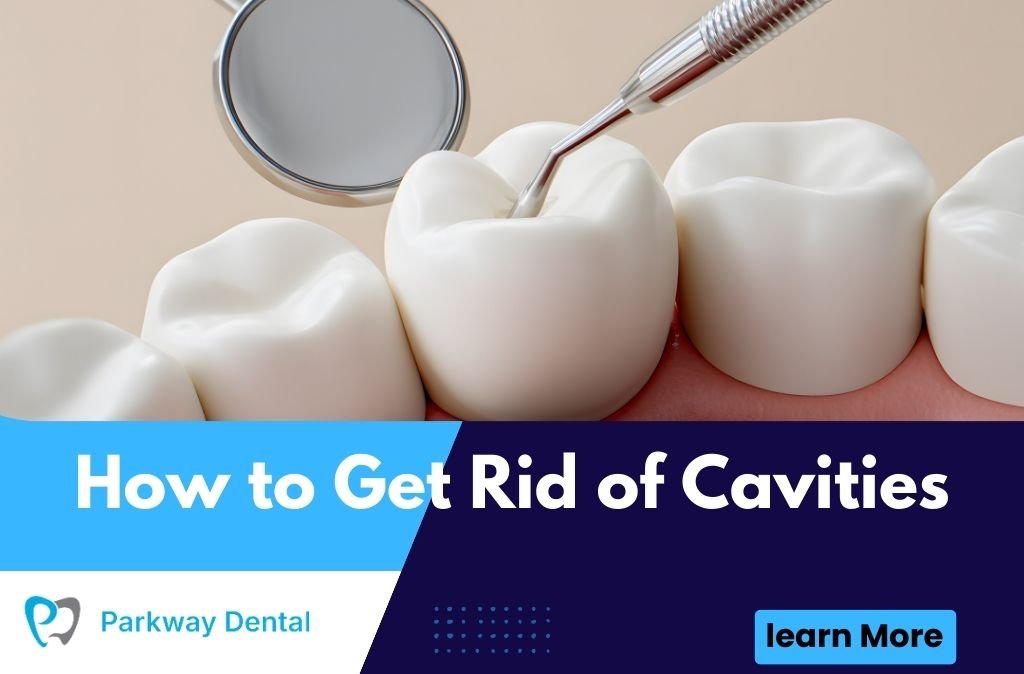
Dental fillings remain the standard treatment for cavities that have penetrated enamel but haven’t reached advanced stages. The procedure begins with local anesthesia to ensure complete comfort, followed by removal of all decayed tissue using a dental drill or laser. The dentist carefully cleans the cavity preparation, ensuring no bacteria remain, then fills the space with restorative material.
Composite resin fillings tooth-colored plastic and glass mixtures provide excellent aesthetics for visible teeth while bonding chemically to tooth structure for added strength. These fillings require meticulous placement technique but produce beautiful, natural-looking results. Amalgam fillings, made from silver, mercury, tin, and copper alloys, offer exceptional durability for back teeth where chewing forces are greatest. While silver-colored, amalgam’s longevity and strength make it ideal for molars. The entire filling procedure typically requires 30-60 minutes per tooth, with immediate return to normal eating once anesthesia wears off.
Dental Crowns for Extensive Decay
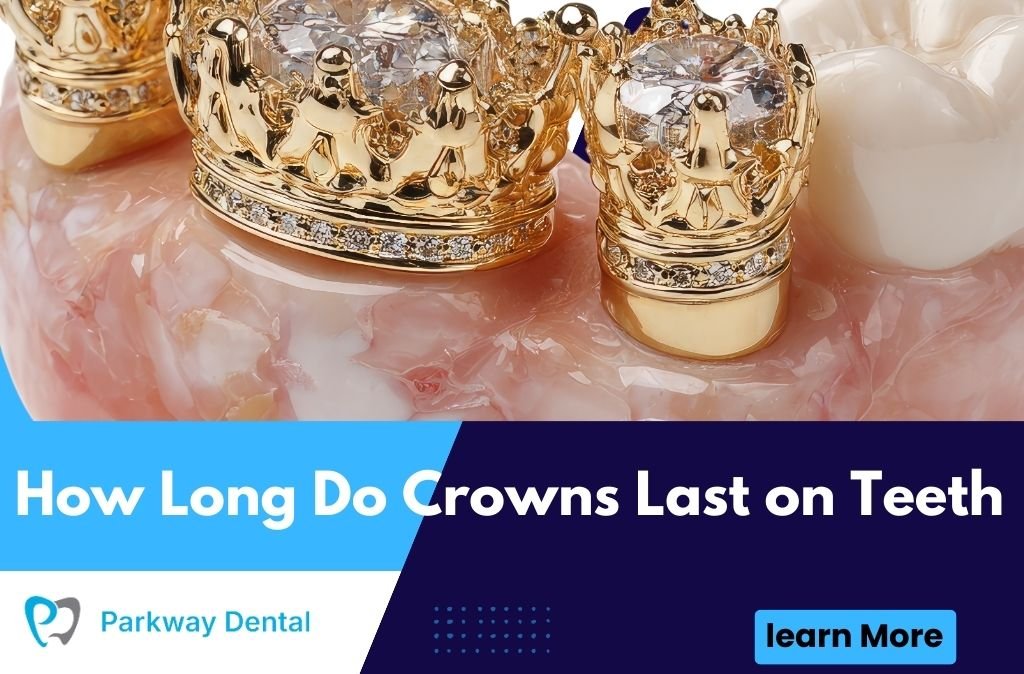
When cavities destroy large portions of tooth structure, dental crowns provide comprehensive restoration that fillings cannot achieve. Crowns cap the entire visible portion of the tooth, protecting remaining structure while restoring full function and appearance. The process involves removing all decay, shaping the remaining tooth to support the crown, taking impressions for custom fabrication, and placing a temporary crown while the permanent restoration is made. At a second appointment approximately two weeks later, the dentist cements the permanent crown permanently in place.
Modern crowns use porcelain, ceramic, or porcelain-fused-to-metal materials that mimic natural tooth appearance beautifully. Crown procedures require two appointments totaling several hours but provide restorations lasting 10-15 years or longer with proper care. This investment protects severely damaged teeth that would otherwise require extraction, preserving your natural tooth and avoiding more complex replacement procedures.
Root Canal Therapy for Deep Cavities
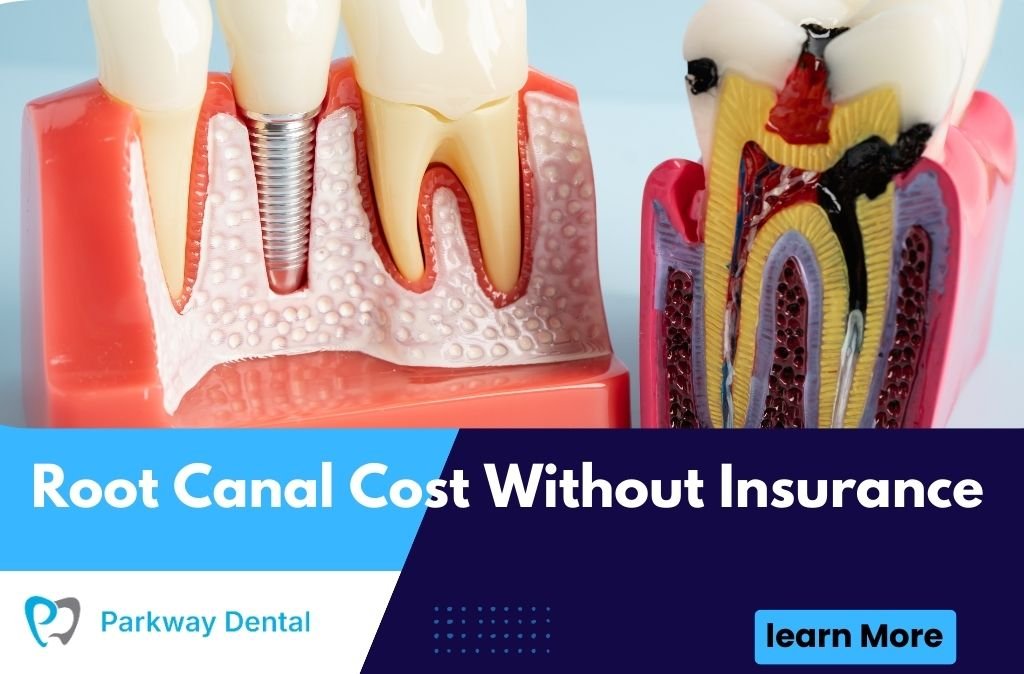
When deep tooth decay reaches the pulp chamber containing nerves and blood vessels, root canal therapy becomes necessary to save the tooth. This procedure removes infected or inflamed pulp tissue, cleans and disinfects the root canal system, then seals the space with biocompatible filling material. Contrary to popular belief, modern root canal treatment is no more uncomfortable than receiving a filling, thanks to effective anesthesia and advanced techniques.
The procedure typically requires one or two appointments, depending on infection severity and tooth complexity. Following root canal therapy, most teeth require crowns to protect the remaining structure, as teeth without living pulp tissue become more brittle over time. While root canals sound intimidating, they allow you to keep your natural tooth rather than extracting it—always the preferred outcome when structurally possible.
Prevention Strategies and At-Home Care
While professional treatment eliminates existing cavities, prevention strategies protect against future decay and maintain the restorations you’ve already received.
Effective Brushing and Flossing Techniques
Proper oral hygiene forms the foundation of cavity prevention. Brushing twice daily with fluoride toothpaste for two full minutes removes the bacterial plaque that produces tooth-damaging acids. Use gentle, circular motions rather than aggressive horizontal scrubbing, which can damage gums without cleaning more effectively. An electric toothbrush with pressure sensors and timers helps ensure thorough, consistent cleaning.
Daily flossing removes plaque and food particles from between teeth where toothbrush bristles cannot reach these interproximal surfaces account for many cavities despite regular brushing. Proper flossing technique involves gently sliding floss between teeth, curving it around each tooth in a C-shape, and moving it up and down to scrape plaque from tooth surfaces. Water flossers provide effective alternatives for people with dexterity challenges or dental work that complicates traditional flossing.
Regular Professional Dental Cleanings
Even with excellent home care, professional dental cleanings every six months remove hardened tartar (calculus) that brushing and flossing cannot eliminate. Dental hygienists use specialized instruments to clean all tooth surfaces thoroughly, particularly areas patients commonly miss. These appointments also include examinations detecting cavities in early stages when treatment is simpler and less expensive. Regular professional care dramatically reduces cavity rates and catches problems before they become painful emergencies.
Dietary Habits for Cavity Prevention
What you eat and drink profoundly impacts cavity risk. Limiting sugary foods and beverages eliminates the primary fuel source for acid-producing bacteria. When you do consume sweets, eating them with meals rather than as frequent snacks reduces the total time teeth are exposed to acids. Rinsing with water after eating helps neutralize acids and wash away food particles.
Choosing tooth-friendly snacks like cheese, nuts, raw vegetables, and sugar-free gum supports oral health. Avoiding frequent sipping of acidic or sugary beverages throughout the day gives saliva time to neutralize acids and remineralize enamel between exposures. These simple dietary adjustments significantly reduce cavity formation without requiring dramatic lifestyle changes.
Advanced Cavity Prevention Options in West Roxbury, MA
Patients seeking comprehensive protection against cavities benefit from understanding advanced preventive treatments available through modern dental practices.
Dental Sealants for Posterior Teeth
Dental sealants provide excellent cavity protection for back teeth with deep grooves and pits that trap food and bacteria. This preventive treatment involves applying a thin, protective coating to chewing surfaces of molars and premolars. The plastic resin flows into grooves, creating a smooth surface that’s much easier to clean and resistant to cavity formation. Sealant application takes just minutes per tooth, requires no anesthesia, and lasts several years before needing replacement.
While traditionally applied to children’s permanent molars as they erupt, adults with deep grooves or high cavity risk also benefit significantly from sealants. Studies show sealants reduce cavity rates by over 80% in treated teeth an impressive benefit from such a simple, affordable procedure. Many dental insurance plans cover sealants for children, though adult coverage varies.
Antimicrobial Treatments and Silver Diamine Fluoride
For patients with active cavities who cannot immediately undergo traditional treatment, silver diamine fluoride (SDF) provides an innovative approach to halting decay progression. This topical medication arrests cavities without drilling, making it ideal for young children, patients with dental anxiety, or those with medical conditions complicating traditional treatment. The dentist simply brushes SDF onto affected teeth, where it kills bacteria and hardens softened tooth structure, preventing further decay.
The primary drawback involves permanent black staining of treated cavities, making SDF most appropriate for back teeth or as a temporary measure until traditional treatment becomes feasible. However, for appropriate candidates, this non-invasive cavity treatment provides remarkable benefits, essentially turning active cavities into arrested lesions that no longer progress.
Personalized Risk Assessment and Prevention Plans
Advanced dental practices utilize caries risk assessment tools to evaluate individual cavity susceptibility based on factors including diet, oral hygiene, saliva quality, bacterial levels, and past decay history. This comprehensive evaluation allows dentists to create personalized prevention plans targeting specific risk factors. High-risk patients might receive prescription fluoride, more frequent cleanings, dietary counseling, and antimicrobial rinses. Low-risk patients maintain standard prevention protocols.
This tailored approach maximizes protection while avoiding unnecessary interventions, providing each patient with exactly the level of preventive care their situation requires for optimal outcomes.
Conclusion
Getting rid of cavities requires understanding decay stages and choosing appropriate treatments from remineralization for earliest lesions to professional fillings, crowns, or root canals for established decay. While very early white-spot lesions can reverse through fluoride therapy and improved oral health, actual holes in teeth require professional intervention. Prevention through proper brushing, flossing, fluoride use, dietary modifications, and regular dental visits dramatically reduces future cavity formation, protecting both natural teeth and restorations.
For comprehensive cavity treatment and personalized prevention strategies, consulting with an experienced Dentist in West Roxbury, MA ensures you receive care tailored to your specific needs and risk factors.
Frequently Asked Questions
Can a cavity go away on its own?
Early-stage cavities appearing as white spots from initial demineralization can reverse through remineralization without treatment. Fluoride treatments, calcium phosphate therapy, improved oral hygiene, and dietary changes allow natural repair processes to rebuild weakened enamel during this earliest stage. However, once decay progresses into actual holes penetrating enamel, cavities cannot heal naturally and require professional treatment to remove damaged tissue. Established tooth decay only worsens over time without intervention, eventually causing pain, infection, and potential tooth loss. Seeking prompt professional care prevents minor cavities from becoming major problems.
What kills cavities fast?
Nothing truly “kills” established cavities. Professional dental treatment removing decayed tissue and restoring teeth with fillings represents the only way to eliminate cavities completely. However, silver diamine fluoride (SDF) arrests cavity progression rapidly by killing bacteria and hardening softened tooth structure, though it doesn’t remove decay or restore tooth anatomy. For very early decay, high-concentration fluoride treatments can reverse damage within weeks to months. Ultimately, once holes form in teeth, professional cavity removal through drilling and filling provides the definitive solution, typically completed in a single appointment.
What kills a tooth cavity?
Professional dental treatment eliminates cavities by physically removing all decayed tooth structure and restoring the tooth with fillings, crowns, or other restorations. Dentists use drills, lasers, or air abrasion instruments to remove decay completely, ensuring no bacteria remain. The cleaned cavity is then filled with composite resin, amalgam, or other materials. Silver diamine fluoride arrests cavity progression by killing bacteria and hardening remaining tooth structure, though it doesn’t remove decay. No home remedies, rinses, or products can eliminate established cavities; only professional intervention removes decay and restores tooth integrity.
Is 7 cavities a lot?
Seven cavities represents a significant number indicating high cavity risk requiring both treatment and aggressive prevention strategies. While cavity counts vary widely based on age, diet, oral hygiene, and genetics, multiple cavities suggest underlying factors need addressing. Children developing several cavities in baby teeth may need dietary changes, fluoride treatments, and improved hygiene habits. Adults with multiple new cavities should undergo comprehensive risk assessment identifying causative factors like dry mouth, frequent snacking, inadequate fluoride, or undiagnosed health conditions. Treating existing cavities while implementing prevention strategies prevents ongoing decay cycles.