A dental emergency can happen at any time—whether it’s a sudden toothache, a knocked-out tooth, or severe swelling. Knowing how to manage these situations until you see a dentist is crucial. Taking the right steps quickly can save your teeth, reduce pain, and prevent long-term damage. This guide covers everything you need to know about handling emergencies at home while preparing to see a professional.
Understanding Dental Emergencies
Dental emergencies include sudden toothaches, broken teeth, knocked-out teeth, or severe gum bleeding. These situations need urgent attention to prevent further complications. Quick action can save your teeth and reduce pain. Knowing what qualifies as an emergency ensures you respond correctly before reaching a dentist for professional care.
What Qualifies as a Dental Emergency?
A dental emergency includes any oral problem requiring immediate care to relieve pain, stop bleeding, or save a tooth. Examples include toothaches, abscesses, knocked-out teeth, broken crowns, chipped teeth, and jaw injuries. Unlike minor issues, emergencies demand urgent action to prevent complications like infection or permanent tooth loss.
Why Immediate Action Matters
Acting quickly in a dental emergency can make the difference between saving or losing a tooth. Delayed treatment often leads to worsening pain, infection, or more expensive dental procedures. Temporary care at home helps stabilize the situation until you reach a dentist.
Managing Severe Tooth Pain
Severe tooth pain often signals cavities, infections, or nerve damage. Rinse with warm saltwater, take over-the-counter pain relievers, and apply a cold compress to reduce swelling. Avoid chewing on the affected side until you see a dentist. Immediate relief methods help stabilize pain until professional treatment is available.
Causes of Toothaches
A sudden toothache may stem from cavities, cracked teeth, gum infections, or dental abscesses. Severe tooth pain often signals deeper issues like exposed nerves or tooth decay reaching the pulp.
Immediate Relief for Toothaches
- Rinse your mouth with warm salt water to reduce bacteria.
- Use over-the-counter pain relievers such as ibuprofen.
- Apply a cold compress outside the cheek to numb pain.
- Avoid very hot, cold, or sweet foods until you see a dentist.
Handling a Knocked-Out Tooth
A knocked-out tooth requires urgent action. Pick it up by the crown, gently rinse it, and attempt reinsertion into the socket if possible. If not, store it in milk or saliva and see a dentist within 30–60 minutes. Acting quickly offers the best chance to save the tooth.
First Aid for Avulsed Teeth
If a tooth is knocked out, time is critical. Pick up the tooth by the crown (never the root) and rinse gently with water. If possible, place the tooth back in its socket and bite gently on gauze.
Safe Storage Before Reimplantation
If reinsertion isn’t possible, keep the tooth moist in milk, saline solution, or your saliva. Never store it in plain water. See a dentist within 30–60 minutes for the best chance of saving the tooth.
Dealing with Chipped or Broken Teeth
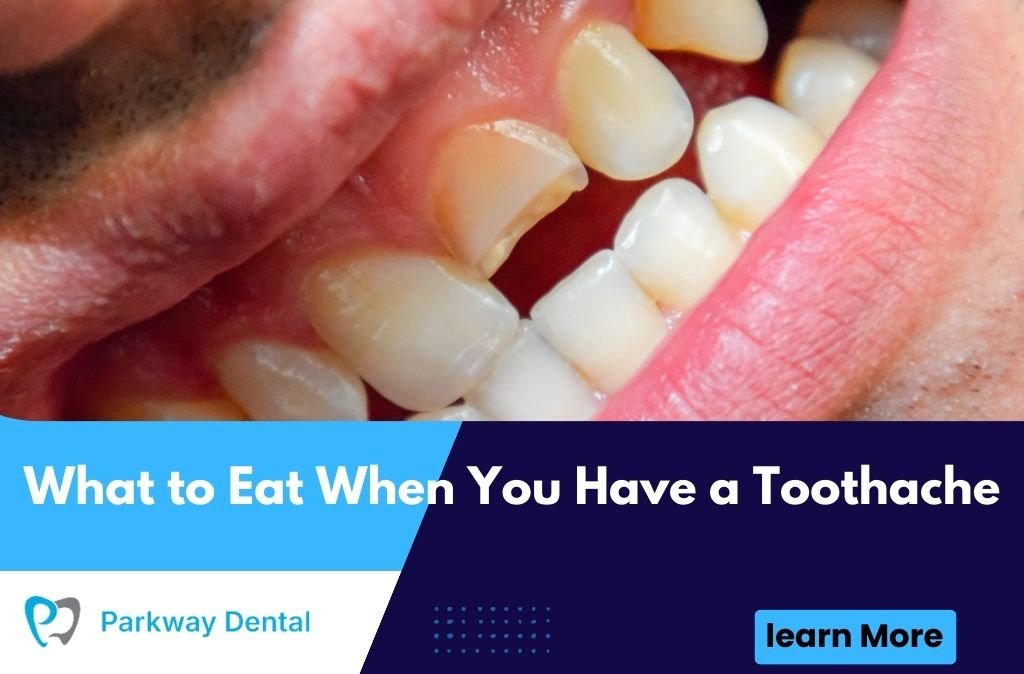
Chipped or broken teeth can cause pain and sensitivity, especially when dentin or nerves are exposed. Save any fragments and protect sharp edges with dental wax or sugar-free gum. Stick to soft foods until treatment. Quick management prevents further damage and increases the success of restorative dental procedures.
Common Causes of Broken Teeth
Teeth can chip or break due to biting hard foods, accidents, or untreated cavities. Even small chips may expose dentin, causing sensitivity and increasing decay risk.
Temporary Fixes Before Seeing a Dentist
- Save any broken fragments and store them in milk.
- Cover sharp edges with dental wax or sugar-free gum to protect your tongue.
- Stick to soft foods until professional care is available.
Controlling Bleeding Gums or Oral Injuries
Bleeding from gums or oral injuries requires immediate care. Apply gentle pressure with clean gauze, rinse with saltwater, and use a cold compress to reduce swelling. Persistent or heavy gum bleeding could indicate gum disease or trauma. If bleeding continues beyond 20 minutes, seek urgent dental attention without delay.
What Causes Bleeding Gums?
Bleeding gums may result from gum disease, brushing too hard, or injury. Severe bleeding could indicate periodontal disease or trauma needing immediate care.
First Aid for Gum Bleeding and Oral Cuts
- Rinse with cold water or mild saltwater.
- Apply gentle pressure with clean gauze.
- Use a cold compress outside the cheek to reduce swelling.
Seek urgent care if bleeding continues beyond 20 minutes.
Managing Swelling and Dental Abscesses
A dental abscess causes swelling, pain, and risk of spreading infection. Use cold compresses and over-the-counter pain relievers to ease discomfort. Never try to drain an abscess at home. Contact a dentist immediately if swelling spreads to your jaw or neck, as untreated abscesses can lead to serious complications.
Signs of Oral Infections
An untreated infection can cause swelling, pus, fever, and severe pain. A dental abscess is especially dangerous because it can spread to other areas of the body.
Home Care for Swelling
- Rinse gently with warm saltwater.
- Apply a cold compress to control swelling.
- Never attempt to drain an abscess at home.
See an emergency dentist immediately if swelling spreads to your jaw or neck.
Broken or Lost Fillings and Crowns
When a filling or crown falls out, sensitive tooth structures become exposed. Cover the area with dental cement from a pharmacy or use sugar-free gum as a temporary measure. Avoid chewing on that side until a dentist restores the tooth. Prompt attention reduces discomfort and prevents further tooth decay.
Why These Restorations Fail
Fillings and crowns may loosen due to wear, decay, or trauma. A lost crown can expose sensitive tooth structures, leading to severe discomfort.
Temporary Measures
- Apply dental cement (available at pharmacies) to cover the area.
- If unavailable, use sugar-free gum as a short-term fix.
- Avoid chewing on the affected side until you see a dentist.
Orthodontic Emergencies with Braces or Aligners
Braces and aligners can sometimes cause wires to poke or brackets to loosen. Use orthodontic wax to cover sharp areas and adjust loose wires carefully with tweezers. Keep broken aligners safe and contact your orthodontist. Managing discomfort quickly helps prevent injury while waiting for professional orthodontic repair.
Common Problems
Wires, brackets, or Invisalign aligners may break, shift, or irritate soft tissues. These issues are uncomfortable but rarely life-threatening.
How to Manage Before Dental Care
- Use orthodontic wax to cover sharp wires.
- If a wire is poking, use clean tweezers to adjust it temporarily.
- Keep damaged aligners safe and inform your orthodontist.
How to Prepare Before Visiting the Dentist
Preparation can make handling a dental emergency easier. Keep an emergency dental kit with gauze, dental wax, salt, and a small container for teeth fragments. Arrange safe transport if sedation might be needed. Knowing when to visit an emergency room versus a dental office ensures the right level of care.
Creating an Emergency Dental Kit
Having supplies ready can make emergencies easier to handle. Essentials include gauze, a cold pack, pain relievers, dental wax, salt, and a small container for teeth fragments.
When to Go to the Emergency Room
Seek emergency medical care if you experience:
- Swelling that affects breathing or swallowing.
- Heavy bleeding that doesn’t stop.
- Severe trauma to your jaw or face.
Conclusion
Handling a dental emergency the right way can save your teeth and protect your health. From managing pain and swelling to preserving a knocked-out tooth, knowing what to do before seeing a dentist is critical. If you’re facing an urgent situation, don’t delay professional care—contact an experienced Emergency Dentist in West Roxbury, MA for immediate assistance and long-term solutions.
FAQs
What do I do if I have a severe toothache?
Rinse with warm saltwater, take over-the-counter pain relievers, and apply a cold compress. Contact your dentist as soon as possible.
How long can I keep a knocked-out tooth before it’s too late?
Ideally, reimplant the tooth within 30–60 minutes. Store it in milk or saliva if reinsertion isn’t possible.
Can I treat a dental abscess at home?
No. You can manage pain with rinses and cold compresses, but only a dentist can safely drain the infection and prescribe antibiotics.
What should I do if my crown or filling falls out?
Cover the exposed area with dental cement or sugar-free gum. Avoid chewing on that side until you see your dentist.
Should I go to the ER for dental emergencies?
Go to the ER if you have swelling affecting breathing or swallowing, uncontrolled bleeding, or major facial trauma. Otherwise, see an emergency dentist.