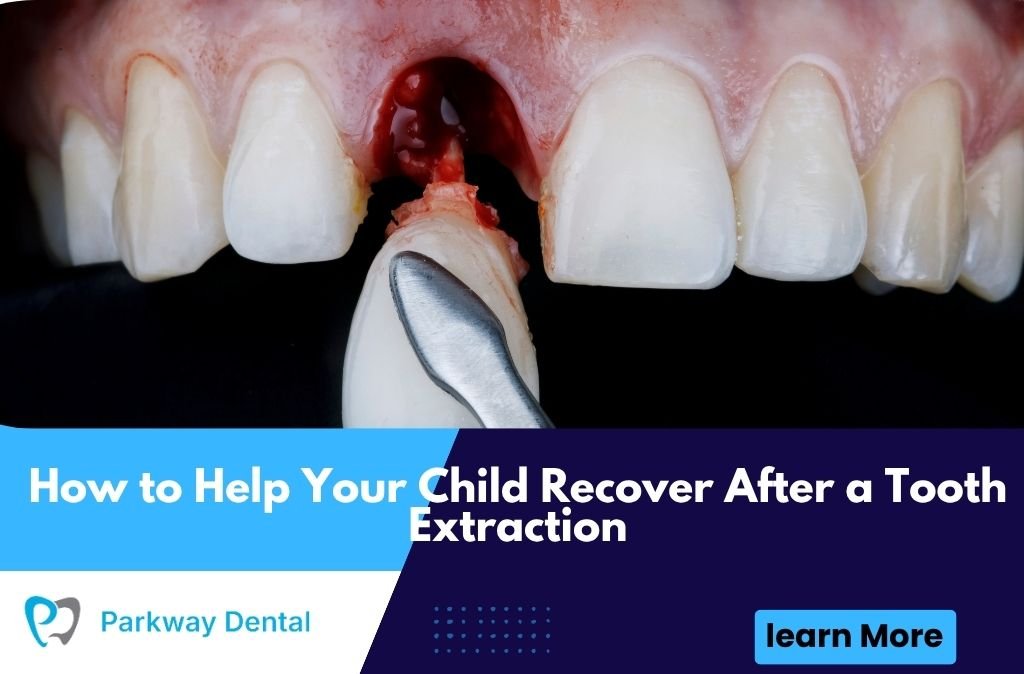
When your child has a tooth pulled whether it’s a baby tooth that wasn’t ready to fall out or a permanent tooth removed for orthodontic, infection, or crowding reasons—they need gentle care afterward. Tooth extraction sounds scary to most kids, and even when the procedure goes smoothly, the healing process feels new and unfamiliar. Understanding what to expect, how to manage discomfort, and how to guide your child through each stage of recovery is the key to preventing complications and helping them feel safe and supported.
Parents often search for highly trusted guidance on how to soothe their child, what foods are safe, how to prevent dry socket, and how long healing should take. This detailed article covers everything you need to know, using clear steps grounded in real pediatric dental care.
Table of Contents
Why Tooth Extraction Recovery Matters for Kids
Many parents underestimate how important proper aftercare is following a tooth extraction. A child’s mouth heals quickly, but only when given the right environment. Poor oral habits, too much activity, or eating the wrong foods too soon can delay healing, increase discomfort, or lead to complications like infection after extraction or disrupted blood clots.
Children also need emotional reassurance. They may feel scared, confused, or even embarrassed about losing a tooth in a dental office rather than naturally at home. Helping them feel safe and understood supports healthier healing.
How Recovery Affects Long-Term Oral Health
The way a child’s mouth heals after an extraction affects:
• Alignment of growing teeth
• Gum health
• Comfort during eating
• Space for permanent teeth
• Future orthodontic planning
A poorly healed extraction site can lead to inflammation, shifting teeth, or difficulty maintaining oral hygiene. That’s why the recovery stage is just as important as the extraction itself.
Immediate Aftercare: The First Few Hours After Tooth Extraction
Right after the extraction, your child’s mouth has an open wound that needs time to form a stable blood clot. This clot protects the socket, supports tissue healing, and prevents complications. The first few hours are all about helping the body do its work without disturbance.
Most children leave the appointment feeling numb from local anesthesia, which can last two to four hours. During this time, the biggest risk isn’t pain—it’s accidental injury. Kids often chew or pull on their cheek, tongue, or lips because the numbness feels unusual. This can lead to swelling, cuts, or bruising.
What You Should Do the Moment You Get Home
The dentist will place gauze at the extraction site. Your child should gently bite down to keep pressure on it for about 30–45 minutes. Replace it only if necessary, always using clean gauze. If the gauze is soaked quickly, don’t panic—light bleeding is normal. What you’re looking for is a gradual reduction in bleeding.
Encourage your child to relax, talk less, and avoid lying flat. A slightly elevated head position helps reduce throbbing and bleeding. Cold compresses placed on the cheek in 10-minute intervals can ease discomfort and bring down swelling.
Explain gently that they shouldn’t touch the area with their fingers or tongue. Kids explore everything with their tongue, and this habit can easily disrupt the blood clot.
Managing Pain and Discomfort the Right Way
Kids often worry about how much pain they’ll feel after a tooth extraction. The good news is that most children experience only mild soreness, especially after baby tooth removal. However, child tooth pain relief is still an important part of recovery.
Pain typically peaks within the first 12–24 hours and then fades. The ache may feel dull, throbbing, or sore to the touch. This is normal healing.
Child-Safe Pain Relief Options
Most dentists recommend child-appropriate pain medications such as ibuprofen or acetaminophen. These help control inflammation and reduce discomfort. Always follow your dentist’s dosing instructions even over-the-counter medications must be used safely with children.
Cold therapy is also extremely effective. Popsicles, frozen fruit puree tubes, or ice chips wrapped in a thin towel provide gentle numbing and comfort. Kids love this option because it feels like a treat, not medicine.
Avoid giving aspirin to children. It increases bleeding risk and is unsafe for anyone under 18.
Protecting the Blood Clot: The Most Important Part of Recovery
A stable blood clot is the foundation of tooth extraction healing. If the clot becomes dislodged, it can lead to painful complications like dry socket—more common in adults but still possible in older children.
Dry socket happens when the clot breaks apart too early, leaving the bone exposed. It causes intense throbbing pain and requires professional treatment.
What Kids Should Avoid After an Extraction
To protect the blood clot, make sure your child avoids:
• Spitting forcefully
• Drinking from a straw
• Rinsing vigorously
• Eating crunchy or chewy foods
• Touching the extraction site
• Running, jumping, or sports
• Hot foods that can dissolve the clot
These restrictions are most critical during the first 24 hours but should continue for up to three days when possible.
Kids are naturally energetic, so remind them that “quiet time” helps their smile heal faster.
What Your Child Should Eat After a Tooth Extraction
Diet plays a huge role in keeping your child comfortable while their mouth heals. They don’t need to stick to liquid foods only, but soft, cool, and nourishing meals help minimize discomfort and protect the extraction site.
Best Soft Foods for a Child After Tooth Extraction
Some parent-approved options include:
• Yogurt
• Applesauce
• Mashed potatoes
• Smoothies (without a straw)
• Scrambled eggs
• Oatmeal
• Macaroni and cheese
• Pudding
• Soups (warm, not hot)
Cold foods like ice cream and smoothies help reduce swelling. Warm—not hot—foods keep the clot safe.
Avoid foods that are spicy, acidic, crunchy, or sticky. Chips, popcorn, gummy snacks, pretzels, and citrus fruits can irritate the area or get stuck in the socket.
Make sure your child drinks plenty of water, but remind them to sip from a cup, never a straw.
Helping Your Child Sleep Comfortably After an Extraction
Nighttime is often when discomfort feels stronger because kids are lying down and focusing on the ache. Adjusting their sleeping position helps reduce throbbing.
Nighttime Care Tips
• Prop their head up with an extra pillow
• Give pain medication 30 minutes before bed if needed
• Use a soft ice pack before sleep
• Keep them hydrated throughout the day
• Limit physical play at night so the clot stays stable
If your child grinds their teeth at night, they may feel extra sensitivity around the extraction site. Reassure them this is temporary as the tissues heal.
Supporting Children Emotionally During Recovery
Many children feel anxious, upset, or unsure after losing a tooth especially if it was removed unexpectedly or due to dental problems. Recovery is not only physical; it is emotional.
Kids often worry about eating, talking, the way they look, or whether they’ll feel pain again.
How to Comfort Your Child
• Explain that healing happens quickly
• Praise them for being brave
• Tell them the discomfort means the body is working
• Let them choose soft foods they enjoy
• Keep routines normal to avoid stress
A calm, confident parent helps a child feel safe during the healing process.
Keeping the Extraction Site Clean Without Disturbing Healing
Good oral hygiene helps prevent infection, but parents often wonder how to clean their child’s mouth without disrupting the clot. You should avoid brushing the extraction site on the first day, but gentle cleaning is still important.
How to Maintain Oral Hygiene Safely
Have your child brush the other teeth gently using a soft-bristled toothbrush. After 24 hours, they can begin rinsing with warm saltwater, but only with light swishing. Saltwater reduces bacteria, eases irritation, and encourages healing. Mix half a teaspoon of salt in one cup of warm water. Repeat 2–3 times a day.
Do not allow your child to rinse forcefully or spit hard. Show them how to let water fall out of their mouth naturally. You can also use a damp cotton swab to lightly clean areas near the extraction if needed, especially if food collects.
Avoid mouthwashes containing alcohol, as they sting and slow healing. Kids are also more likely to swallow these rinses, which makes them unsuitable during recovery.
Understanding the Healing Timeline for Children
Healing from a tooth extraction happens in stages. Children tend to heal faster than adults, but parents should still know what to expect during the first week.
The First 24 Hours
Your child may experience minor bleeding, mild pain, and swelling. The clot forms and becomes stable during this time. Their mouth may feel tender, and they may prefer soft or cold foods. Keeping them hydrated helps the healing tissues remain healthy.
Day 2–3
Discomfort usually peaks within the first 48 hours but should remain manageable. The swelling may begin to decrease, and your child may regain interest in normal foods. At this stage, gentle saltwater rinses help keep the area clean.
Day 4–7
Most children feel significantly better by the end of the first week. There may be light tenderness when brushing or chewing, but active pain should be minimal. The extraction site will close gradually, and gum tissue will continue rebuilding.
Week 2 and Beyond
The hole begins to shrink. The gum heals over, and the discomfort should fully disappear. The internal bone will continue healing for several months, but your child won’t feel these changes.
Warning Signs That Something Isn’t Right
Even though children heal well, complications can still occur. Knowing what to watch for ensures you get help quickly if something is wrong.
Signs That Require Immediate Attention
Call your dentist if your child develops:
• Fever
• Increasing pain after the second day
• A foul smell from the mouth
• Persistent bleeding that lasts more than 30 minutes
• Swelling that worsens
• Pus or fluid around the extraction site
• Difficulty opening the mouth
• Pain spreading to the ear or jaw
These symptoms may indicate an infection, a disturbed clot, or food trapped in the socket.
Dry Socket in Children: Is It Possible
Dry socket is far more common in adults, but older children and teens can still develop it, especially after molar extractions.
Symptoms of Dry Socket in Kids
• Sharp, intense pain
• Pain worsening instead of improving
• Visible bone in the socket
• Bad taste or odor
• Pain radiating to the ear or temple
If you suspect dry socket, contact your child’s dentist right away. Treatment is simple and offers immediate relief.
How to Prevent Infection After a Tooth Extraction
Keeping the mouth clean and following aftercare instructions are the best ways to prevent complications. Children may forget instructions or touch the area out of curiosity, so parental supervision is essential.
Tips to Keep the Extraction Site Infection-Free
• Practice gentle brushing
• Use warm saltwater after 24 hours
• Avoid straws and aggressive spitting
• Don’t allow your child to poke or suck on the area
• Keep hands away from the mouth
• Make sure they drink enough water
• Stick to soft foods for a few days
If your child had an infected tooth removed, the dentist might prescribe antibiotics. Make sure your child completes the full course to ensure proper healing.
Activities Your Child Should Avoid After Extraction
Too much activity too soon can increase bleeding, swelling, and discomfort.
What to Limit for the First 48–72 Hours
• Running
• Jumping
• Biking
• Sports
• Playground activities
• Playing wind instruments
• Swimming
Physical exertion raises blood pressure, which can restart bleeding or irritate the clot. Encourage quiet activities such as drawing, watching movies, reading, or puzzles.
Helping Your Child Feel Comfortable Emotionally
Kids recover faster when their emotional needs are met. They may feel worried about pain, bleeding, or losing another tooth in the future.
Ways to Support Their Emotional Well-being
• Reassure them that healing is normal
• Celebrate their bravery
• Offer comforting foods
• Keep routines relaxed
• Explain each step in kid-friendly language
When a child feels safe, their healing experience improves dramatically.
When Your Child Can Return to Normal Activities
Children usually feel well enough to return to school the next day, depending on the type of tooth removed and their comfort level. For more complex extractions, waiting 24–48 hours may be better.
Signs Your Child Is Ready to Resume Activities
• No active bleeding
• Pain is minimal
• Swelling has decreased
• They can eat comfortably
• They feel energetic and comfortable
Always prioritize healing over routine. If in doubt, call your child’s dentist for guidance.
How to Prepare for Your Child’s Follow-Up Appointment
Some extractions require follow-up visits, especially if stitches were used or if the tooth had an infection.
What to Expect at the Follow-Up
The dentist will check:
• Healing progress
• Any signs of inflammation
• Condition of the surrounding gums
• Proper closure of the socket
• Oral hygiene
They will also answer your concerns and provide guidance for ongoing care.
Conclusion
Helping your child recover after a tooth extraction doesn’t have to be stressful. Understanding the healing timeline, offering the right foods, protecting the blood clot, and watching for signs of complications all play important roles in ensuring a smooth recovery. With your support and proper aftercare, most children feel much better within a day or two, and the extraction site heals quickly and naturally.
If you ever have concerns about your child’s healing, persistent pain, or unusual symptoms, an experienced Dentist in West Roxbury, MA can provide trusted care, reassurance, and professional guidance. With the right approach, your child can heal safely, comfortably, and confidently.
FAQs
How long does it take for a child to heal after a tooth extraction?
Most children feel better within 24–48 hours, but complete gum healing takes 1–2 weeks.
Can my child brush their teeth after a tooth extraction?
Yes, but avoid brushing the extraction site for the first 24 hours. The rest of the mouth should be cleaned normally.
What foods should my child avoid after tooth extraction?
Avoid crunchy, sticky, spicy, or very hot foods during the first few days.
How do I know if my child has an infection?
Signs include fever, worsening pain, swelling, pus, and a foul smell from the mouth.
When can my child return to school?
Most kids can return the next day if they feel comfortable and have minimal pain.
Is dry socket possible in kids?
Yes, though rare. Symptoms include sharp pain, bad taste, and an empty socket.
How can I reduce my child’s pain naturally?
Use cold compresses, soft foods, rest, hydration, and child-safe medications if needed.
Should my child use a straw after tooth extraction?
No. Sucking can dislodge the clot and delay healing.