Congratulations on achieving that brilliant white smile through professional whitening! However, your journey doesn’t end when you leave the dentist’s office. The key to maximizing your investment and enjoying long-lasting results lies in proper post-whitening care and maintenance. Without the right approach, your teeth can gradually return to their pre-treatment shade, essentially undoing the time and money you’ve invested in achieving that perfect smile.
Professional teeth whitening can lighten your teeth by several shades, but maintaining these results requires a strategic combination of good oral hygiene, dietary awareness, lifestyle modifications, and ongoing professional care. Understanding how to protect and preserve your newly whitened teeth will help you enjoy your radiant smile for years to come while avoiding the disappointment of watching your investment fade away.
Understanding the Whitening Process and Its Effects
Professional teeth whitening works by using powerful bleaching agents, typically hydrogen peroxide or carbamide peroxide, to break down stain molecules within your tooth enamel. This process temporarily opens the pores in your teeth, making them more susceptible to staining in the immediate aftermath of treatment.
During the first 24-48 hours after professional whitening, your teeth are particularly vulnerable to re-staining because these pores remain open. This period, often called the “white diet” phase, is crucial for determining how well your results will hold up over time. The bleaching process also temporarily dehydrates your teeth, which can make them appear even whiter initially but may cause some sensitivity.
Understanding this process helps explain why certain foods and beverages can quickly undo your whitening results if consumed too soon after treatment. The microscopic pores that allowed the whitening agent to penetrate your teeth can just as easily absorb new stains if you’re not careful during this critical period.
Your teeth will gradually rehydrate and the pores will close over the following weeks, but this doesn’t mean you can immediately return to your previous habits without consequences. The foundation you establish during the first few days and weeks after whitening will significantly impact the longevity of your results.
Immediate Post-Whitening Care (First 24-48 Hours)
The first two days after professional whitening are absolutely critical for ensuring optimal and long-lasting results. During this period, your teeth are at their most vulnerable state, and the choices you make can either set you up for success or compromise your investment.
Stick to what dental professionals call the “white diet” during this crucial period. This means consuming only foods and beverages that are white or colorless, such as water, milk, white rice, chicken breast, white fish, bananas, and plain pasta. Even clear beverages should be consumed with caution, as some may contain acids that can weaken enamel or artificial colors that aren’t immediately apparent.
Avoid all potentially staining substances including coffee, tea, red wine, dark sodas, berries, tomato sauce, curry, and any brightly colored foods or beverages. Even seemingly innocent items like white wine or clear sodas can be problematic due to their acidity, which can make teeth more susceptible to staining from other sources.
Managing Sensitivity
Post-whitening sensitivity is common and typically peaks within the first 24-48 hours after treatment. Use a desensitizing toothpaste specifically designed for sensitive teeth, preferably one recommended by your dentist. Avoid extremely hot or cold foods and beverages during this period, as temperature extremes can exacerbate sensitivity.
If sensitivity becomes uncomfortable, over-the-counter pain relievers can provide relief, but avoid aspirin directly on the teeth as it can cause chemical burns. Some dentists provide desensitizing gel or recommend specific products to help manage post-treatment discomfort.
Consider using a soft-bristled toothbrush during the first week after treatment to minimize irritation to sensitive teeth and gums. Gentle brushing with fluoride toothpaste will help remineralize the teeth and reduce sensitivity while maintaining cleanliness.
Long-Term Dietary Guidelines
Once you’ve successfully navigated the critical first 48 hours, you can gradually reintroduce other foods into your diet, but maintaining awareness of staining potential remains important for preserving your results long-term.
Develop a strategic approach to consuming stain-causing foods and beverages. When you do indulge in coffee, tea, or red wine, use a straw to minimize contact with your teeth. Drink these beverages quickly rather than sipping slowly over extended periods, as prolonged exposure increases staining potential.
Rinse your mouth with water immediately after consuming potentially staining substances. This simple habit can significantly reduce the amount of staining compounds that remain in contact with your teeth. Wait at least 30-60 minutes after consuming acidic foods or beverages before brushing, as immediate brushing can damage temporarily softened enamel.
Stain-Fighting Foods
Incorporate foods that naturally help clean and protect your teeth. Crunchy fruits and vegetables like apples, celery, and carrots act as natural scrubbers, helping remove surface stains while stimulating saliva production. Dairy products provide calcium and phosphates that help remineralize teeth and maintain their strength.
Strawberries contain natural enzymes that can help break down stains, though they should be consumed in moderation due to their acidity. Green tea, while it can stain over time, contains antioxidants that may help prevent bacteria growth and support overall oral health when consumed occasionally.
Consider the timing of your meals and snacks. Eating stain-causing foods as part of a larger meal rather than as standalone snacks can help minimize their impact, as other foods and increased saliva production help neutralize acids and wash away staining compounds.
Optimal Oral Hygiene Routine
Maintaining excellent oral hygiene is fundamental to preserving your whitening results and overall dental health. A consistent, thorough routine will help prevent new stains from forming while keeping your teeth healthy and strong.
Brush your teeth at least twice daily using a whitening toothpaste that contains mild abrasives and stain-fighting ingredients. However, don’t rely solely on whitening toothpaste, as overuse of abrasive products can damage enamel over time. Alternate between whitening toothpaste and regular fluoride toothpaste to balance stain prevention with enamel protection.
Use proper brushing technique, spending at least two minutes cleaning all surfaces of your teeth. An electric toothbrush can be more effective at removing plaque and surface stains than manual brushing, but either option works well with proper technique.
Flossing and Mouthwash
Daily flossing is crucial for removing plaque and food particles from between teeth where stains can develop. These hard-to-reach areas are often overlooked but can significantly impact the overall appearance of your smile if not properly maintained.
Incorporate an alcohol-free mouthwash into your routine to help neutralize acids and provide additional protection against bacteria. Some whitening mouthwashes can help maintain your results, but avoid overuse as they may cause sensitivity in some people.
Consider using a water flosser in addition to traditional string floss for more thorough cleaning around dental work and tight spaces. This tool can be particularly effective at removing food particles and bacteria that contribute to staining and decay.
Professional Maintenance Treatments
Even with excellent home care, professional maintenance treatments play a crucial role in preserving your whitening results over the long term. Regular dental cleanings and periodic touch-up treatments can help you maintain that bright smile you worked hard to achieve.
Schedule professional cleanings every six months to remove buildup that home care can’t address. During these appointments, your dental hygienist will remove tartar, plaque, and surface stains that can dull your smile over time. These cleanings also provide an opportunity for your dental team to assess the condition of your whitening results and recommend touch-up treatments if needed.
Most patients benefit from whitening touch-ups every 6-18 months, depending on their lifestyle and dietary habits. These treatments are typically shorter and less intensive than the initial whitening procedure, making them more comfortable and affordable while effectively refreshing your results.
At-Home Touch-Up Options
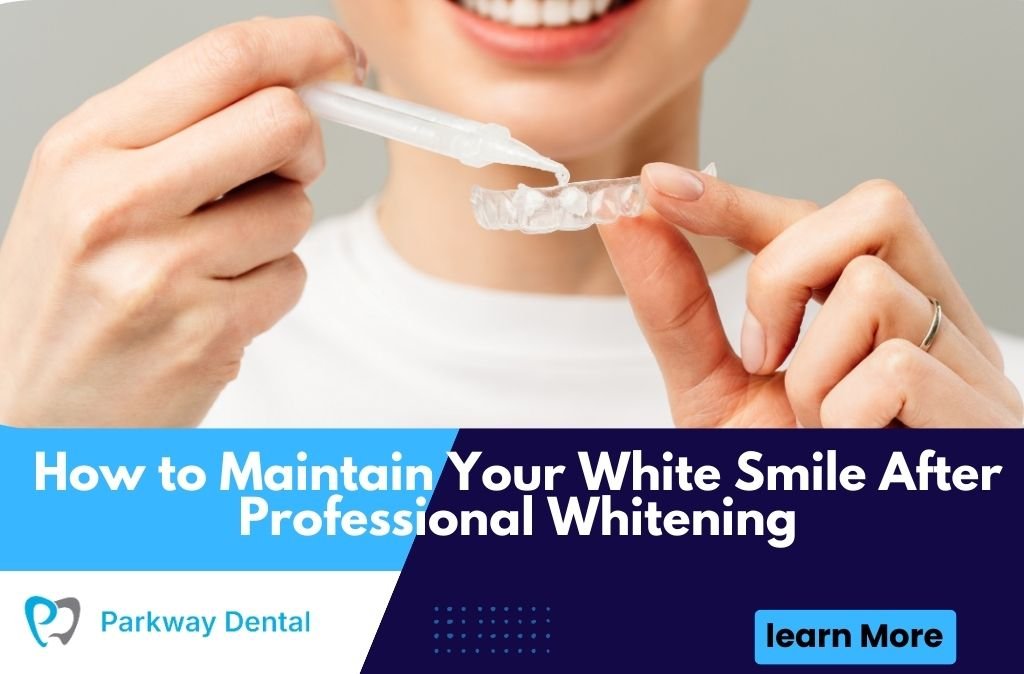
Many dental offices provide custom whitening trays and professional-grade gel for at-home touch-ups. These treatments allow you to maintain your results conveniently at home while using stronger formulations than over-the-counter products.
Follow your dentist’s recommendations for touch-up frequency and duration. Overuse of whitening products can lead to sensitivity and enamel damage, so it’s important to use these treatments judiciously and under professional guidance.
Keep detailed records of your touch-up treatments, noting dates, duration, and any sensitivity experienced. This information helps your dentist optimize your maintenance routine and adjust recommendations based on your individual response to treatment.
Lifestyle Modifications for Lasting Results
Certain lifestyle changes can significantly impact the longevity of your whitening results. While you don’t need to completely eliminate all potentially staining substances, being mindful of your habits and making strategic modifications can help preserve your investment.
If you smoke or use tobacco products, quitting is the single most important step you can take to maintain your white smile. Tobacco products are among the most potent staining agents, and continued use will quickly undo professional whitening results. Consider this an opportunity to improve both your oral health and overall well-being.
Limit consumption of highly staining beverages like coffee, tea, and red wine, or modify how you consume them. Using a straw, drinking quickly rather than sipping slowly, and rinsing with water afterward can all help minimize staining potential without requiring complete elimination of these beverages.
Hydration and Saliva Production
Stay well-hydrated throughout the day, as adequate saliva production helps naturally cleanse your teeth and neutralize acids that can contribute to staining and decay. Dehydration reduces saliva flow, allowing staining compounds and bacteria to linger on your teeth longer.
Chew sugar-free gum after meals to stimulate saliva production and help remove food particles and acids from your teeth. Look for gum containing xylitol, which has additional oral health benefits and may help prevent decay.
Consider the timing of potentially staining activities. If you typically drink coffee throughout the morning, try limiting consumption to a shorter window and following up with water and proper oral hygiene.
Common Mistakes to Avoid
Many people inadvertently compromise their whitening results by making well-intentioned but counterproductive choices. Understanding these common mistakes can help you avoid them and maintain better results.
Don’t brush immediately after consuming acidic foods or beverages, as this can damage temporarily softened enamel. Wait at least 30-60 minutes before brushing, and rinse with water in the meantime to help neutralize acids and remove staining compounds.
Avoid overusing whitening products in an attempt to maintain or enhance results. Excessive whitening can lead to severe sensitivity, enamel damage, and an unnatural appearance. Follow professional recommendations and resist the temptation to use whitening products more frequently than advised.
Don’t ignore sensitivity or discomfort, as these can be signs of enamel damage or other problems. If you experience persistent sensitivity after the initial post-treatment period, consult your dentist rather than simply enduring the discomfort.
Avoid using abrasive substances like baking soda or lemon juice for whitening maintenance. While these may seem like natural alternatives, they can damage enamel and ultimately make teeth more susceptible to staining and decay.
Conclusion
Maintaining your professional whitening results requires commitment and consistency, but the effort is well worth preserving your beautiful smile. By following proper post-treatment care, maintaining excellent oral hygiene, making strategic dietary choices, and scheduling regular professional maintenance, you can enjoy your bright white smile for years to come.
Remember that every person’s teeth respond differently to whitening and maintenance routines, so it’s important to work closely with your dental team to develop a personalized plan that fits your lifestyle and needs. Regular check-ups will help ensure your maintenance routine is effective and allow for adjustments as needed.
If you’re looking to achieve or maintain a brilliant white smile with professional guidance and ongoing support, consider consulting with a qualified Dentist in West Roxbury, MA, who can provide expert whitening services and develop a customized maintenance plan to help you preserve your investment and enjoy lasting results.
Frequently Asked Questions
How long do professional whitening results typically last?
Professional whitening results can last 1-3 years with proper care and maintenance. The longevity depends on your diet, lifestyle habits, oral hygiene routine, and genetic factors affecting tooth color.
Can I drink coffee after teeth whitening?
Avoid coffee for the first 24-48 hours after treatment. After this critical period, you can gradually reintroduce coffee, but use a straw, drink quickly, and rinse with water afterward to minimize staining.
When can I brush my teeth after professional whitening?
You can brush your teeth immediately after professional whitening, but use a soft-bristled brush and gentle pressure. Avoid whitening toothpaste for the first few days if you experience sensitivity.
Is it normal to experience sensitivity after whitening?
Yes, temporary sensitivity is common and typically subsides within 24-72 hours. Use desensitizing toothpaste and avoid temperature extremes. Contact your dentist if sensitivity persists beyond a few days.
How often should I get touch-up whitening treatments?
Most patients benefit from touch-ups every 6-18 months, depending on lifestyle factors and personal preferences. Your dentist can recommend the optimal frequency based on your individual needs.
Can I use over-the-counter whitening products to maintain my results?
While OTC products can provide some maintenance benefits, professional-grade touch-up treatments are more effective and safer when used under dental supervision. Consult your dentist before adding new whitening products to your routine.