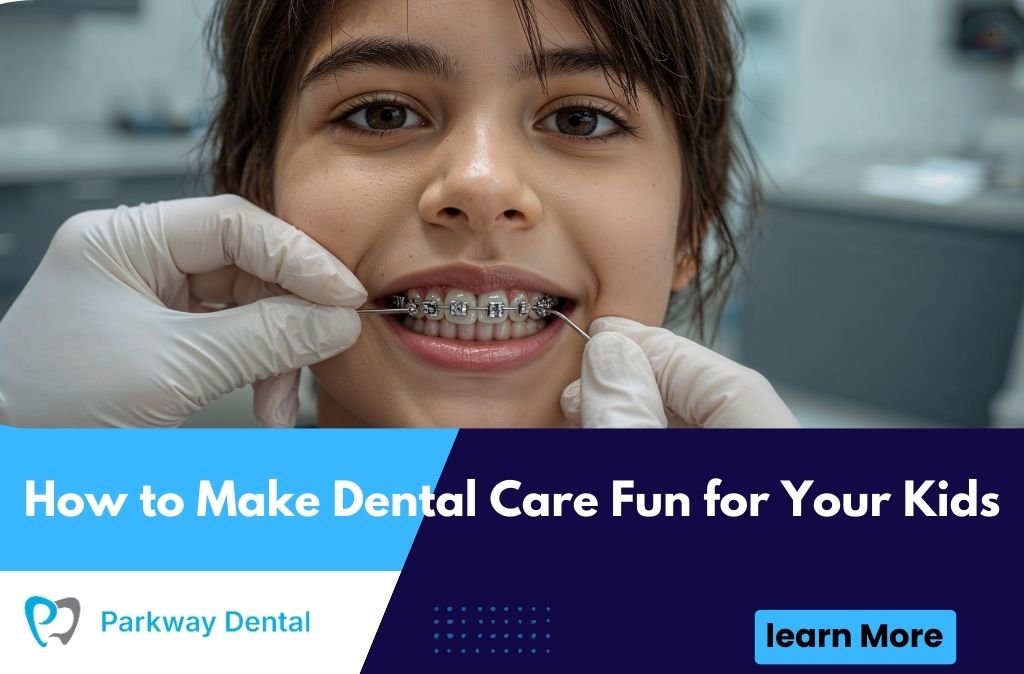
Establishing good oral hygiene habits in childhood sets the foundation for a lifetime of healthy teeth and gums, yet many parents struggle with the daily battle of getting children to brush properly, floss consistently, and visit the dentist without tears or tantrums. The key to success lies in transforming dental care from a boring chore or scary obligation into an engaging, enjoyable activity that children look forward to rather than resist. When oral hygiene becomes fun, children develop positive associations with dental care that carry into adulthood, ensuring they maintain healthy habits long after parental supervision ends. Creative approaches that incorporate play, rewards, technology, and imagination can revolutionize your family’s dental care routine, making brushing time a highlight of the day rather than a source of conflict. This comprehensive guide provides practical, age-appropriate strategies for making dental care enjoyable for children from toddlers through elementary school, helping you establish the positive habits that lead to healthy, beautiful smiles.
Table of Contents
Creating an Engaging Brushing Routine
Transforming the twice-daily brushing routine from mundane task to exciting activity requires creativity, consistency, and understanding of what captures children’s attention and motivates their participation.
Music and Dance Integration
Turn brushing time into a dance party by playing your child’s favorite upbeat songs during the two-minute brushing period. The music serves dual purposes—making the activity more enjoyable while providing natural timing so children brush long enough. Create a brushing playlist with two-minute songs, allowing children to choose which song plays each session to give them control and investment in the routine. Encourage silly dancing and movement while brushing, which releases energy and creates positive associations. Some families choreograph simple “brushing dances” with specific movements for cleaning different tooth surfaces, combining instruction with entertainment. The key is associating brushing with joy and movement rather than standing still and enduring a boring chore.
Character-Themed Products and Stories
Leverage your child’s favorite characters by purchasing toothbrushes, toothpaste, and accessories featuring beloved cartoon characters, superheroes, or animals. When children brush with tools displaying characters they love, the activity becomes more appealing and personal. Create stories around brushing where your child and their character toothbrush team up to fight “cavity monsters” or “sugar bugs” hiding between teeth. This narrative approach transforms brushing from a health task into an adventure story where your child plays the hero. Rotate between different character products periodically to maintain novelty and excitement, and allow children to choose their next toothbrush as a reward for consistent good brushing.
Gamification and Competition
Transform brushing into a game by setting challenges, keeping score, or creating friendly competition. Use brushing apps that turn the routine into video games where proper technique earns points and unlocks rewards. Create a family brushing chart where everyone, including parents, earns stickers for twice-daily brushing, with rewards after collecting specific numbers of stickers. Implement gentle sibling competition to see who can brush most consistently, earn most stickers, or go longest without cavities, with appropriate rewards for all participants. Time trials where children try to brush every tooth surface within the two-minute limit add excitement to the routine. The competitive and achievement aspects appeal to children’s natural desire for accomplishment and recognition.
Technology and Interactive Tools
Modern technology offers numerous tools for making brushing engaging. Electric toothbrushes designed for children often include built-in timers, musical tones, and even Bluetooth connectivity to smartphone apps that guide proper technique through interactive games. Specialized brushing apps show animated characters mimicking proper brushing motions that children follow, ensuring comprehensive cleaning while maintaining entertainment. Some apps use augmented reality, allowing children to see themselves on screen with animated overlays showing cavity creatures being defeated as they brush. Timers shaped like favorite characters, hourglasses filled with colorful sand, or digital displays counting down make the two-minute requirement more tolerable and engaging for impatient children.
Reward Systems and Positive Reinforcement
Implement structured reward systems that celebrate consistent dental care habits without relying solely on treats or money. Create a reward chart where consistent brushing, flossing, and dental visits earn points toward larger rewards like choosing a family activity, selecting dinner one night, or getting a special privilege. Use verbal praise enthusiastically, specifically noting what they did well rather than generic compliments. Consider a “treasure box” with small, inexpensive toys or privileges that children can choose from after accumulating certain sticker amounts. Avoid using food, especially sugary treats, as rewards for dental care, as this sends contradictory messages. The key is making children feel proud of their accomplishments and recognizing their efforts consistently to reinforce the behavior you want to continue.
Making Dental Visits Positive Experiences
Dental appointments often generate anxiety in children, but strategic preparation and positive framing can transform these visits into anticipated events rather than dreaded obligations.
Pre-Visit Preparation and Education
Prepare children for dental visits through age-appropriate books and videos about going to the dentist, focusing on positive, friendly portrayals rather than scary scenarios. Play “dentist” at home, taking turns examining each other’s teeth with a flashlight, counting teeth, and practicing opening wide. Use positive, specific language when discussing the appointment, explaining what will happen in simple terms without mentioning needles, pain, or shots unless the dentist specifically requires a procedure involving these elements. Avoid using the dental visit as a threat or punishment, and refrain from sharing your own dental anxieties or negative experiences, as children adopt parental attitudes toward dental care. Frame the visit as a fun outing where the dentist helps keep their smile healthy and strong.
Choosing a Pediatric Dentist
Select a dentist who specializes in treating children and creates a welcoming, child-friendly environment. Pediatric dental offices typically feature colorful décor, toys, games, and staff trained in making children comfortable and addressing their specific fears. Visit the office before the actual appointment to familiarize your child with the environment, meet staff, and see the waiting area. Many pediatric dentists allow children to sit in the dental chair and explore harmless tools during this preview visit, demystifying the experience. A dentist who speaks directly to children in age-appropriate language, explains procedures using simple terms, and rewards cooperation with praise or small prizes creates positive associations that last.
Incorporating Play and Imagination
Turn the dental visit into an adventure story or game. Frame the dentist as a “tooth detective” looking for cavity clues, a “smile scientist” conducting important research, or a “tooth superhero” protecting the child’s teeth. Encourage children to bring a favorite toy or stuffed animal that can “get checked” first, allowing them to see the examination process modeled safely. Some children respond well to choosing a special outfit or accessories for dental visits, making it feel like a special event. During the appointment, encourage the dentist to show your child interesting tools, let them see themselves in the mirror, and involve them in the experience rather than having them passive and potentially frightened.
Post-Visit Celebrations and Rewards
Establish a tradition of doing something special after dental visits, regardless of whether cavities were found, to associate appointments with positive experiences. This might include stopping at a favorite playground, visiting the library to choose new books, or having a special lunch together. Praise your child’s bravery and cooperation specifically and enthusiastically, noting particular things they did well like sitting still, opening wide, or being brave. Take a photo with the dentist or in front of the office to document the achievement, creating a “dental visit album” showing their growing confidence. If the dentist provides a small prize or sticker, allow your child to display it prominently as recognition of their accomplishment.
Building Long-Term Positive Associations
Create consistent routines around dental visits that children can anticipate and prepare for mentally. Schedule appointments at times when your child is typically well-rested and cooperative rather than during nap times or when hungry. Maintain calm, positive demeanor before and during appointments, as children sense and mirror parental anxiety. Share your own positive dental visits and model good dental health behaviors, showing children that everyone goes to the dentist and it’s a normal, healthy activity. Over time, these consistent positive experiences build trust and comfort that makes dental visits routine rather than traumatic events requiring major emotional preparation.
Educational Activities About Oral Health
Teaching children why dental care matters helps them understand the purpose behind brushing, flossing, and dental visits, creating internal motivation beyond just pleasing parents.
Science Experiments and Demonstrations
Conduct simple experiments that demonstrate dental health concepts visibly and memorably. The classic egg in soda experiment, where an egg (representing teeth with its hard shell) sits in cola for days, dramatically shows how acidic drinks damage enamel as the shell softens and discolors. Create a model mouth using playdough teeth, demonstrating how brushing removes “plaque” (flour or glitter) from tooth surfaces. Show how floss reaches between teeth where brushes cannot by creating tooth models from clothespins and demonstrating trapped food (small paper bits) that brushing misses but floss removes. These hands-on demonstrations make abstract concepts concrete and memorable for visual learners.
Books, Videos, and Interactive Media
Utilize age-appropriate books featuring characters learning about dental care, with engaging illustrations and simple storylines that normalize brushing and dentist visits. Watch educational videos or TV episodes focused on dental health, which many children’s programs incorporate into their content. Interactive websites and apps designed to teach oral health through games make learning feel like play rather than instruction. Create your own stories featuring your child as the protagonist who develops cavity-fighting superpowers through proper brushing. The variety of media ensures you reach different learning styles—some children respond best to stories, others to visual demonstrations, and others to interactive experiences.
Creative Arts and Crafts
Engage children’s creativity while teaching dental concepts through arts and crafts projects. Create tooth fairy pillows together, discussing tooth loss and development. Make a large model of a mouth from construction paper, labeling different teeth types and their functions. Design and color personal brushing charts where children track daily hygiene. Create “cavity bug” monsters from craft materials, naming them and then ceremonially “defeating” them during brushing sessions. Paint rocks to look like teeth, then practice brushing them with real toothbrushes. These projects combine fun creative time with dental education, and the physical creations serve as visual reminders of lessons learned.
Role-Playing and Pretend Play
Encourage pretend play scenarios centered on dental care that allow children to process and practice concepts. Set up a pretend dental office with dolls, stuffed animals, or action figures as patients needing checkups and cleanings. Provide play dental tools or safe household items that can serve as pretend equipment. Take turns being the dentist and patient, allowing your child to experience both roles and thereby reduce anxiety about their own visits. Create puppet shows where characters learn about brushing, visit the dentist, or overcome dental fears. This imaginative play helps children work through concerns and internalize proper dental behaviors.
Real-World Connections and Conversations
Connect dental health to concepts children already understand and care about. Discuss how healthy teeth help them enjoy favorite foods, speak clearly, and smile confidently for pictures. Point out smiles in pictures and media, discussing how healthy teeth contribute to appearance. When eating, discuss how different foods affect teeth—crunchy vegetables clean teeth while sticky candies promote cavities. Involve children in selecting healthy snacks at the grocery store, reading labels together to understand sugar content. These ongoing conversations integrate dental health into daily life rather than isolating it as a separate, arbitrary requirement, helping children understand that oral care connects to everything they value.
Age-Appropriate Strategies
Different ages require different approaches to making dental care fun, as developmental stages influence what children find engaging, motivating, and appropriate.
Toddlers (Ages 1-3)
For toddlers, keep everything simple, short, and sensory. Use flavored toothpaste designed for their age that makes brushing taste pleasant rather than unpleasant. Sing simple, repetitive songs during brushing that become comforting routines. Allow them to “help” by holding the toothbrush with you, giving them a sense of control even though you’re doing the actual brushing. Use toothbrushes with fun shapes, colors, or characters that fascinate them. Make silly faces in the mirror together during brushing, turning it into a game of imitation. At this age, consistency and parental modeling matter most brush alongside your toddler so they see you performing the same activity they’re being asked to do.
Preschoolers (Ages 3-5)
Preschoolers respond well to imagination, stories, and dramatic play. Create elaborate brushing stories with recurring characters and ongoing adventures. Use puppet shows or stuffed animals to demonstrate and discuss dental care. Introduce sticker charts and simple reward systems they can understand and track visually. Allow more independence while supervising—let them brush first, then you brush to ensure thoroughness. Play dental-themed games during bath time with toys that need their “teeth” brushed. Preschoolers love helping and feeling accomplished, so praise their efforts enthusiastically and specifically, noting improvements in technique or consistency.
Early Elementary (Ages 6-8)
School-age children understand cause and effect, respond to logic, and appreciate earning privileges. Explain the science behind cavities and dental health in simple but accurate terms. Introduce more sophisticated apps and games that teach technique while entertaining. Implement goal-setting where they work toward specific achievements like cavity-free checkups or consistent flossing streaks. Give them more independence with supervision becoming monitoring rather than hands-on assistance. Connect dental health to things they care about like sports performance, appearance, or being “grown up.” Competitive elements and measurable achievements motivate this age group effectively.
Older Elementary (Ages 9-12)
Pre-teens benefit from increased independence, ownership, and understanding of long-term consequences. Discuss how dental health affects their future appearance, confidence, and even career opportunities if relevant. Allow them to choose their own dental products within appropriate categories, giving them agency. Introduce electronic tracking apps or smart toothbrushes that provide feedback on technique. Discuss costs of dental procedures to help them understand the financial benefit of prevention. Connect dental health to other health topics they’re learning about in school. Encourage them to ask questions during dental visits and participate in conversations about their oral health. The goal is developing intrinsic motivation to care for their teeth rather than relying solely on external rewards or parental enforcement.
Transitioning to Independence
As children grow, gradually shift from parent-directed care to supported independence and eventually to full autonomy. This transition should be gradual and based on demonstrated responsibility rather than age alone. Continue occasional supervision even with older children to ensure they’re maintaining proper technique and duration. Keep communication open about dental health, celebrating successes and problem-solving challenges together. The foundation of fun, positive associations created during early childhood makes this transition to independent care smoother, as children who enjoyed dental care when parented are more likely to maintain it when on their own.
Conclusion
Making dental care fun for children requires creativity, consistency, and understanding of what motivates and engages kids at different developmental stages, but the investment pays lifelong dividends in healthy habits and positive attitudes toward oral health. Strategies including music, games, technology, character-themed products, reward systems, and positive reinforcement transform brushing from a tedious chore into an enjoyable activity children look forward to. Careful preparation, choosing child-friendly dental professionals, and creating positive associations make dental visits anticipated events rather than anxiety-producing ordeals. Educational activities incorporating science experiments, creative projects, role-playing, and age-appropriate explanations help children understand why dental care matters, developing intrinsic motivation beyond just pleasing parents. Tailoring approaches to your child’s specific age, interests, and personality ensures strategies remain effective as they grow and develop. The goal extends beyond just getting children to brush and visit the dentist in the present you’re establishing attitudes and habits that will serve them throughout adolescence and adulthood when you’re no longer supervising their dental care. Children who develop positive associations with oral hygiene, who understand its importance, and who experience dental visits as friendly, supportive interactions are far more likely to maintain excellent oral health independently as they mature. For pediatric dental care that makes children comfortable and excited about their oral health, professional guidance on age-appropriate home care strategies, and friendly, patient-focused treatment that creates positive dental experiences, consult with an experienced Dental Office in West Roxbury, MA where caring professionals understand child development, use engaging approaches that make dental care enjoyable, and partner with parents to establish the healthy habits and positive attitudes that lead to a lifetime of beautiful, healthy smiles.