Gum disease doesn’t happen overnight. It starts small but can lead to serious dental problems if left untreated. Whether you’re noticing bleeding gums or struggling with chronic bad breath, it’s important to take action early. In this article, we’ll explore how to treat gum disease using proven strategies and simple daily habits. We’ll also share how to stop it from coming back and protect your smile for life.
What Is Gum Disease?
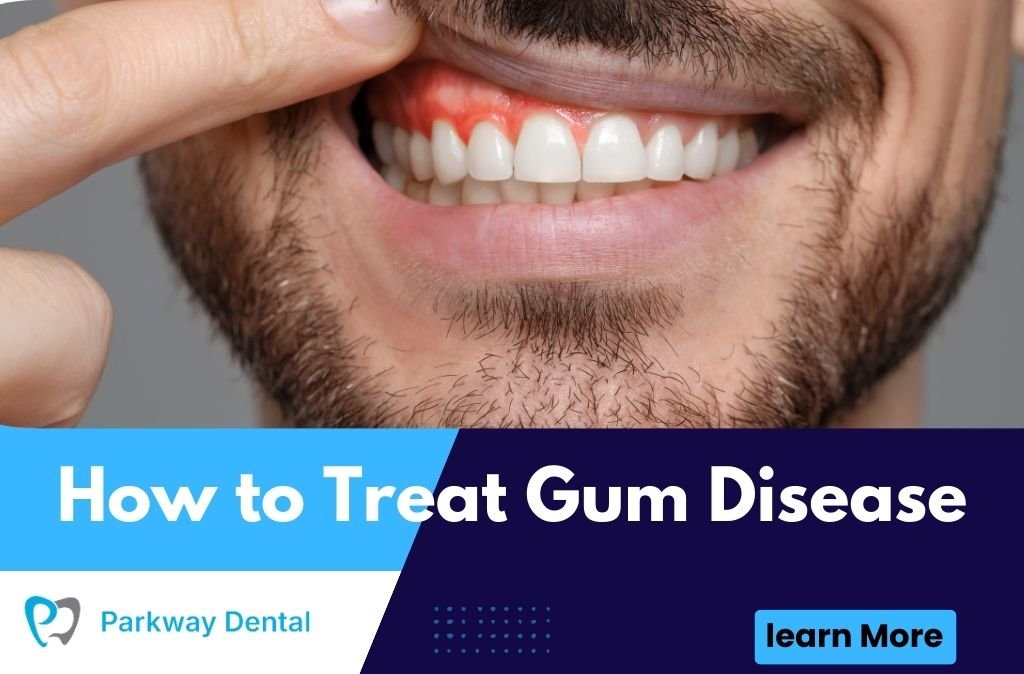
Gum disease, also known as periodontal disease, is an infection of the gums caused by plaque buildup. It starts as gingivitis (mild inflammation) and can progress to periodontitis if not treated. This condition can lead to gum recession, bone loss, and even tooth loss.
Early Signs of Gum Disease
- Bleeding when brushing or flossing
- Swollen or red gums
- Bad breath that doesn’t go away
- Receding gums
- Loose teeth or changes in bite
Spotting these signs early means you can reverse the damage before it becomes permanent.
Daily Oral Hygiene: Your First Defense
Good oral hygiene is your most powerful tool to stop gum disease in its tracks.
Brush Twice a Day with Fluoride Toothpaste
Use a soft-bristled toothbrush and fluoride toothpaste to gently clean your teeth and gums. Brushing removes plaque that leads to gum infections.
Don’t Skip Flossing
Flossing removes food particles and plaque from between your teeth, where your toothbrush can’t reach. Make it a daily habit to prevent gum inflammation.
Use an Antibacterial Mouthwash
Rinse with a mouthwash that fights bacteria and reduces plaque. It helps lower the risk of gingivitis and freshens breath.
Professional Cleaning: Deep Removal of Plaque and Tartar
No matter how well you brush, some plaque hardens into tartar, which can only be removed by a dental professional.
What Is Dental Scaling and Root Planing?
Scaling and root planing is a deep cleaning treatment. Scaling removes tartar above and below the gum line. Root planing smooths the roots so gums can reattach to the tooth surface.
Why It Matters
These procedures are essential if you’re dealing with early-stage periodontitis. They help stop the progression of gum disease and restore oral health.
Advanced Treatments for Gum Disease
If the condition has progressed, more intensive treatments may be needed.
Antibiotic Therapy
Topical or oral antibiotics may be used to kill harmful bacteria in the gums. They often work alongside deep cleaning treatments.
Laser Therapy
Laser treatment targets inflamed tissue and bacteria while minimizing discomfort. It encourages gum healing and is less invasive than surgery.
Flap Surgery
For severe cases, flap surgery may be recommended. This involves lifting the gums to clean deeper areas and then stitching them back into place.
Bone Grafts and Gum Grafts
When bone or gum tissue is lost, grafts can rebuild the structure and stabilize the teeth. These procedures restore your mouth’s foundation.
Eating for Gum Health
What you eat affects how well your body can fight infection, including gum disease.
Nutrients That Strengthen Gums
- Vitamin C (found in oranges, strawberries, peppers) helps reduce inflammation.
- Calcium (from milk, yogurt, leafy greens) strengthens teeth and bones.
- Omega-3 fatty acids (from fish and nuts) help reduce gum swelling.
Foods to Avoid
- Sugary snacks and drinks that feed plaque-forming bacteria
- Acidic foods that irritate gums
- Sticky foods that are hard to clean off your teeth
Habits to Break for Healthier Gums
Certain daily habits can make gum disease worse, even if you’re brushing regularly.
Stop Smoking
Smoking weakens your immune system and makes it harder for gums to heal. It also hides signs of gum disease, like bleeding.
Manage Stress
Stress affects your body’s ability to fight infections, including those in your mouth. It can also lead to teeth grinding, which wears down gum tissue.
Avoid Aggressive Brushing
Brushing too hard damages your gum line and leads to recession. Be gentle, and let your toothbrush do the work.
Can You Reverse Gum Disease?
Yes, in the early stage (gingivitis), gum disease is reversible.
Reversing Gingivitis
- Brush and floss consistently
- Get a professional cleaning
- Use an antibacterial mouthwash
- Eat a balanced, healthy diet
If symptoms persist beyond two weeks, see your dentist for a personalized plan.
How Long Does Gum Disease Treatment Take?
The time it takes to treat gum disease depends on the severity and how early it’s caught.
Mild Cases
With proper care and regular cleanings, gingivitis can improve in a few weeks.
Moderate to Severe Cases
These may require several appointments over a few months, especially if surgical treatments are needed.
Gum Disease and Your Overall Health
Your mouth is connected to your entire body. Gum disease can increase the risk of other health conditions.
Risks of Untreated Gum Disease
- Heart disease and stroke
- Diabetes complications
- Respiratory infections
- Pregnancy complications (low birth weight, preterm birth)
Taking care of your gums protects more than just your smile.
How to Prevent Gum Disease from Coming Back
Once you’ve treated gum disease, staying consistent is the key to avoiding relapse.
Maintain Daily Oral Care
Never skip brushing or flossing, even if your gums seem healthy.
Visit the Dentist Regularly
See your dentist every 6 months, or more often if recommended. Regular check-ups and cleanings catch early warning signs.
Use the Right Dental Tools
Switch to an electric toothbrush, try a water flosser, and use sensitive toothpaste if needed.
Teaching Kids Healthy Gum Habits
Start gum care early. Healthy gums in childhood set the stage for lifelong oral health.
Make Oral Care Fun
Use timers, stickers, or music to make brushing enjoyable. Teach kids to floss with help or floss picks.
Child-Friendly Dental Visits
Choose a pediatric dentist and schedule visits early to build comfort and trust.
Conclusion
Gum disease doesn’t need to control your smile or your health. With the right care, knowledge, and professional support, it can be treated and even reversed. Start with good habits at home, eat smart, and visit your dentist on time. If you’re facing signs of gum disease, reach out to a trusted Dentist in West Roxbury, MA to take the first step toward healing.
FAQs
Is gum disease curable?
Yes. Gingivitis (early stage) is curable with good hygiene and professional care. Periodontitis can be managed to prevent further damage.
How do I know if I have gum disease?
Bleeding gums, swelling, bad breath, and gum recession are common signs. If you notice these, see your dentist.
What is the best toothpaste for gum disease?
Look for toothpaste with antibacterial agents or one that promotes gum healing. Ask your dentist for recommendations.
How often should I visit the dentist for gum disease?
Every 3-6 months depending on the severity. Regular dental check-ups help keep your gums in good shape.
Does gum disease cause bad breath?
Yes. Bacteria in infected gums produce foul-smelling compounds, leading to persistent bad breath.
Can mouthwash cure gum disease?
Mouthwash helps reduce bacteria, but it can’t cure gum disease alone. It should be part of a full oral care routine.
Do I need surgery for gum disease?
Only in severe cases. Flap surgery, grafts, or laser treatments are used when deep pockets or bone loss occur.
Can gum disease affect my overall health?
Yes. Studies show links between gum disease and heart disease, diabetes, and more. Taking care of your gums helps protect your entire body.