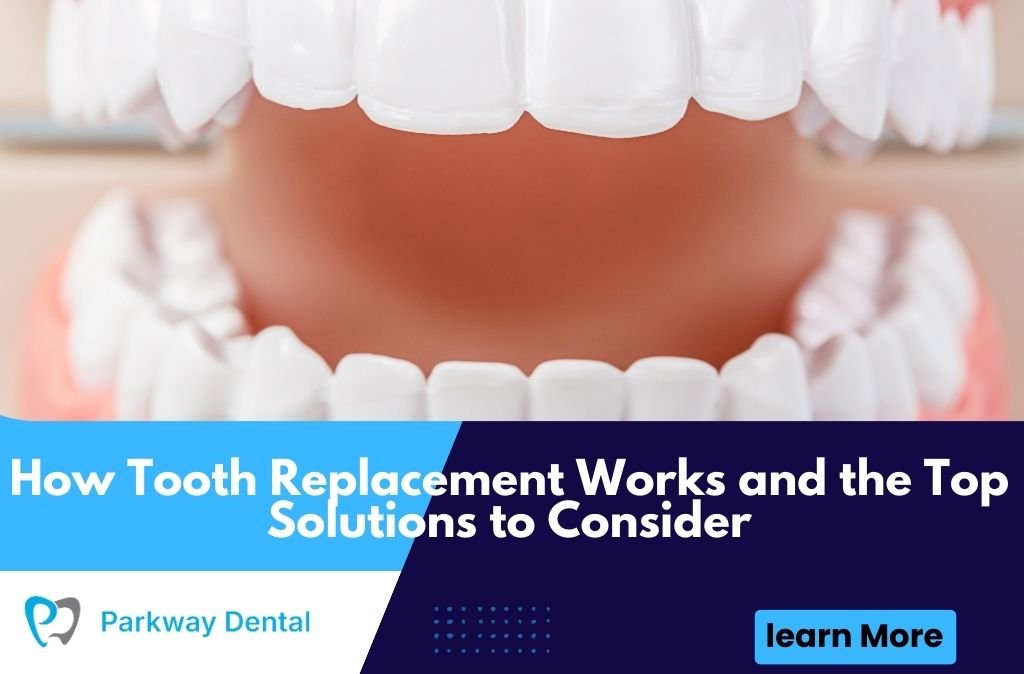
Losing a tooth is more common than most people realize. Whether the cause is decay, injury, gum disease, or aging, missing teeth affect more than appearance they influence chewing, speech, bone health, confidence, and overall oral stability. Thankfully, modern dentistry offers advanced, natural-looking solutions that restore form, function, and quality of life.
Tooth replacement is a carefully planned process that blends technology, science, and aesthetic expertise. This comprehensive guide explains how tooth replacement works, the stages involved, and the top solutions to consider based on your needs, lifestyle, and long-term goals.
Table of Contents
Why Replacing Missing Teeth Matters
Replacing a missing tooth is not just cosmetic it is essential for long-term health. A space in your smile may seem harmless at first, but it can trigger progressive issues over time, affecting your oral and general wellness.
Preventing Tooth Shifting and Bite Problems
A missing tooth creates a gap that neighboring teeth naturally drift toward. This shifting alters the bite, strains the jaw, and creates new places for plaque to hide. Replacement maintains alignment and prevents future complications.
Protecting Jawbone Health
The jawbone depends on stimulation from tooth roots. When a tooth is missing, the bone begins to shrink a process known as resorption. Timely tooth replacement helps preserve bone density and facial structure.
Restoring Chewing Ability and Speech
Missing teeth reduce chewing efficiency and can make certain sounds difficult to pronounce. Replacement restores proper function, making eating and speaking easier and more comfortable.
How the Tooth Replacement Process Works
Tooth replacement involves several precise steps that ensure the final restoration is secure, natural-looking, and long-lasting. Each stage plays a key role in creating a stable and healthy outcome.
Comprehensive Dental Examination
Your dentist begins with X-rays, digital scans, and a clinical exam. This evaluation reveals bone health, gum status, bite alignment, and the best replacement options for your unique situation.
Treatment Planning and Customized Options
Once your dental health is assessed, the dentist tailors a solution that fits your needs, budget, and expectations. At this stage, you review options such as implants, bridges, dentures, or advanced hybrid solutions.
Preparation of the Area for Replacement
Depending on the chosen method, the dentist may perform socket preservation, bone grafting, or gum conditioning. Preparing the site ensures that your replacement is stable and long-lasting.
Final Placement of the Restoration
After healing, your dentist places the final tooth replacement—a crown, bridge, denture, or implant-supported device. The restoration is shaped and colored to match your natural teeth perfectly.
Top Solutions for Tooth Replacement
Modern dentistry offers multiple effective ways to replace missing teeth. Each solution provides unique benefits, so understanding them helps you make the best decision for your long-term oral health.
Dental Implants
Dental implants are considered the gold standard for tooth replacement because they mimic natural tooth roots and provide unmatched stability and durability. A dental implant is a titanium post surgically placed in the jawbone. Over several months, it fuses with the bone, creating a stable foundation for a crown. This mimics a natural tooth both functionally and aesthetically. Implants restore chewing strength, prevent jawbone loss, support facial structure, and last decades with proper care. They are also easy to maintain with normal brushing and flossing. Good candidates have healthy gums, sufficient jawbone density, and stable overall health. People who smoke or have uncontrolled medical conditions may need additional evaluation before proceeding.
Fixed Dental Bridges
A dental bridge replaces one or several missing teeth using crowns that anchor to healthy neighboring teeth. A bridge consists of artificial teeth connected to crowns placed on both sides of the gap. It restores chewing function and fills the space with a natural-looking replacement. Bridges are cost-effective, minimally invasive, and restore aesthetics quickly. They are a good option for patients who cannot undergo surgery or prefer a faster solution. Bridges rely on support from existing teeth, which must be reshaped to hold the crowns. They may not prevent bone loss the way dental implants do.
Full and Partial Dentures
Dentures remain a widely used solution for replacing multiple missing teeth. Today’s modern dentures are more natural-looking and comfortable than older designs. Partial dentures replace several missing teeth and clasp onto remaining natural teeth. They restore appearance and function while protecting remaining teeth from shifting. Full dentures replace an entire arch of missing teeth. They can be made for the upper jaw, lower jaw, or both, depending on the patient’s needs. Dentures are affordable, non-surgical, and customizable. They can quickly restore smile aesthetics, making them a good solution for extensive tooth loss.
Implant-Supported Dentures and Hybrid Solutions
Implant-supported dentures combine the stability of implants with the coverage of dentures. They prevent slipping, improve chewing strength, and provide superior comfort.
How Implant-Supported Dentures Work
A few strategically placed implants anchor a full denture in place. This prevents movement and offers a strong, secure bite.
Benefits of Hybrid Solutions
These dentures fit more comfortably, improve speech, restore natural bite force, and preserve bone. They are an excellent long-term solution for patients with multiple missing teeth.
Suitability for Patients
Patients with adequate bone or those who undergo grafting benefit greatly from hybrid implant solutions. They provide stability and eliminate many frustrations associated with traditional dentures.
How Bone Grafting Helps With Tooth Replacement
When bone loss has occurred, grafting restores the structure needed to support implants or preserve facial shape.
When Bone Grafting Is Needed
Bone grafting is often recommended if a tooth has been missing for a long time, if gum disease has caused bone loss, or if the bone is too thin to support an implant.
How the Grafting Procedure Works
Material is placed into the deficient area, stimulating new bone growth. Over time, the graft integrates with the natural bone to create a stronger foundation.
Benefits of Bone Grafting
Grafting improves implant success rates, restores facial contours, and prevents further bone deterioration.
How Tooth Replacement Improves Quality of Life
Replacing missing teeth is not only a clinical decision—it enhances emotional, social, and functional well-being.
Improved Confidence and Self-Esteem
A restored smile boosts confidence, encouraging patients to smile, speak, and engage socially without hesitation.
Better Overall Nutrition
Tooth replacement allows for proper chewing, meaning patients can enjoy a more varied and nutritious diet.
Long-Term Oral Health Benefits
Replacement helps prevent cavities in adjacent teeth, reduces gum problems, and preserves the jawbone.
Caring for Your Tooth Replacement
Proper care ensures long-lasting durability and oral health stability.
Daily Home Care
Brushing twice a day, flossing around restorations, and using antibacterial mouthwash help keep teeth and gums healthy.
Regular Professional Checkups
Cleanings and exams ensure your restoration remains in good condition and helps detect early signs of gum disease or wear.
Avoiding Harmful Habits
Avoid biting hard objects, grinding teeth, or using teeth to open packages. These habits can damage restorations.
Conclusion
Tooth replacement is a transformative step that restores function, improves aesthetics, and protects long-term oral health. Whether you choose implants, bridges, dentures, or hybrid solutions, today’s modern dentistry offers reliable, natural-looking, and durable options. For expert guidance and personalized care, visit a trusted Dentist in West Roxbury, MA who can help you choose the right solution for your smile and long-term wellbeing.