Choosing the right orthodontic treatment can significantly impact your smile, confidence, and daily life for months or even years to come. With advances in dental technology, patients now have more options than ever before, with Invisalign and traditional braces being the two most popular choices. Each treatment method offers unique advantages and considerations that can make one more suitable than the other depending on your specific needs, lifestyle, and orthodontic goals.
Understanding the differences between these treatment options will help you make an informed decision that aligns with your personal preferences, budget, and desired outcomes. This comprehensive guide explores every aspect of both treatments to help you determine which orthodontic solution is the perfect fit for your journey to a straighter smile.
What is Invisalign?
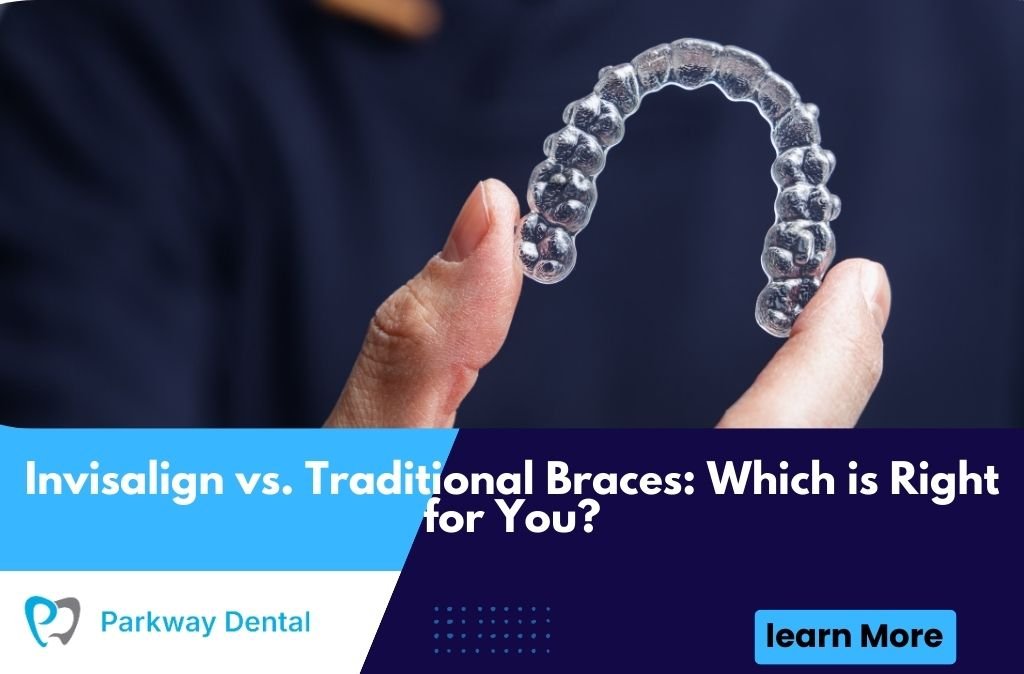
Invisalign represents a revolutionary approach to orthodontic treatment, utilizing a series of clear, removable aligners to gradually shift teeth into their desired positions. These custom-made aligners are crafted from a proprietary thermoplastic material that is virtually invisible when worn, making them an attractive option for adults and teenagers who want to straighten their teeth discreetly.
The Invisalign system begins with a detailed 3D scan of your teeth, which allows orthodontists to create a precise digital treatment plan. This technology enables both the patient and doctor to visualize the expected results before treatment even begins. Each set of aligners is worn for approximately two weeks before progressing to the next set in the series, with most patients requiring 20-30 different aligners throughout their treatment journey.
The aligners work by applying controlled forces to specific teeth at predetermined times during the treatment process. Unlike traditional braces that move all teeth simultaneously, Invisalign can target individual teeth or small groups of teeth, often resulting in more comfortable and predictable movement patterns.
What are Traditional Braces?
Traditional braces have been the cornerstone of orthodontic treatment for decades, utilizing a time-tested system of metal brackets, wires, and elastic bands to correct dental misalignments. Modern braces have evolved significantly from their earlier counterparts, now featuring smaller brackets, more comfortable materials, and improved efficiency in tooth movement.
The system consists of brackets that are bonded to each tooth and connected by an archwire that runs through slots in the brackets. Elastic ligatures or self-ligating mechanisms hold the wire in place, while the wire provides the continuous force needed to move teeth into proper alignment. Orthodontists adjust the tension and positioning of these components during regular appointments, typically every 4-6 weeks.
Types of Traditional Braces
Traditional braces now come in several variations to meet different patient needs and preferences. Metal braces remain the most common and cost-effective option, featuring high-grade stainless steel brackets and wires that provide reliable and efficient tooth movement.
Ceramic braces offer a more aesthetic alternative, using tooth-colored or clear brackets that blend with natural teeth. While less noticeable than metal braces, they may be slightly larger and can be more prone to staining if not properly maintained.
Self-ligating braces eliminate the need for elastic bands by using specialized brackets with built-in clips or doors to hold the archwire. This design can reduce friction and may require fewer adjustment appointments, though the overall treatment time is typically similar to conventional braces.
Effectiveness and Treatment Capabilities
Both Invisalign and traditional braces are highly effective for treating a wide range of orthodontic issues, but they excel in different areas and have varying limitations that patients should understand before making their choice.
Traditional braces are considered the gold standard for complex orthodontic cases, including severe crowding, significant bite problems, large gaps, and cases requiring precise tooth rotations or vertical movements. The continuous force applied by braces allows for predictable movement of teeth in all directions, making them suitable for virtually any orthodontic correction.
Invisalign has made remarkable advances in treating complex cases and can now address many issues that were once exclusive to traditional braces. The system excels at treating mild to moderate crowding, spacing issues, and certain bite problems. However, some complex cases involving significant tooth rotations, severe bite discrepancies, or cases requiring precise torque control may still be better suited for traditional braces.
The effectiveness of either treatment largely depends on patient compliance and the skill of the treating orthodontist. Invisalign requires patients to wear aligners for 20-22 hours daily, and failure to comply can significantly impact treatment outcomes and duration.
Treatment Duration and Process
The duration of orthodontic treatment varies significantly based on the complexity of the case, patient age, and compliance with treatment protocols. Understanding the typical timelines and processes for each option can help set realistic expectations.
Traditional braces typically require 18-36 months of treatment, with most cases falling within the 20-24 month range. The treatment process involves initial placement of brackets and wires, followed by regular adjustment appointments every 4-8 weeks. During these visits, orthodontists replace wires, adjust tensions, and monitor progress.
Invisalign treatment duration is often comparable to braces, though simpler cases may be completed faster. Patients receive multiple sets of aligners at once and change them at home every 1-2 weeks. Check-up appointments are typically scheduled every 6-8 weeks to monitor progress and receive new aligners.
Monitoring and Adjustments
Traditional braces require more frequent professional monitoring since all adjustments must be made by the orthodontist. These regular appointments allow for immediate modifications to treatment plans and quick resolution of any issues that arise.
Invisalign offers more flexibility in monitoring, with some patients able to go longer between appointments. Many orthodontists now use virtual monitoring systems that allow patients to submit progress photos remotely, reducing the need for in-person visits while ensuring treatment stays on track.
Comfort and Lifestyle Impact
The comfort level and lifestyle impact of orthodontic treatment can significantly influence patient satisfaction and compliance throughout the treatment process.
Traditional braces can cause initial discomfort when first placed and after each adjustment appointment. Patients may experience soreness for several days as teeth begin to move, and the brackets and wires can occasionally cause irritation to the cheeks and lips. Over time, most patients adapt to the feeling of braces, and any initial discomfort typically subsides.
Invisalign generally offers superior comfort, with most patients experiencing only mild pressure when switching to new aligners. The smooth plastic material eliminates the risk of cuts or irritation from metal components, and the removable nature allows for relief if needed.
Daily Life Considerations
Traditional braces require dietary modifications to prevent damage to brackets and wires. Patients must avoid hard, sticky, or chewy foods and may need to cut certain foods into smaller pieces. Oral hygiene routines also become more complex, requiring specialized tools and techniques to clean around brackets and wires effectively.
Invisalign offers greater lifestyle flexibility since aligners are removed for eating and drinking anything other than water. This means no dietary restrictions and easier maintenance of oral hygiene routines. However, the need to remove and replace aligners throughout the day can be inconvenient for some patients, and aligners must be cleaned regularly to prevent odors and bacteria buildup.
Aesthetic Considerations
The visual impact of orthodontic treatment is often a primary concern, particularly for adult patients and image-conscious teenagers who want to maintain their appearance during treatment.
Invisalign’s primary advantage is its near-invisibility, with the clear aligners being virtually undetectable at normal conversation distances. This discretion makes Invisalign particularly popular among professionals, public speakers, and anyone who prefers to keep their orthodontic treatment private.
Traditional metal braces are highly visible and can significantly impact one’s appearance during treatment. However, many patients, particularly younger ones, embrace their braces as a temporary accessory and even enjoy customizing them with colored elastic bands.
Ceramic braces offer a compromise between effectiveness and aesthetics, providing the reliability of traditional braces with improved cosmetic appeal. While more noticeable than Invisalign, they are significantly less obvious than metal braces.
Cost Comparison and Insurance Coverage
The financial aspect of orthodontic treatment is a crucial consideration for most families, and costs can vary significantly based on geographic location, complexity of treatment, and insurance coverage.
Traditional braces typically cost between $3,000-$7,000, with most cases falling in the $4,000-$6,000 range. Metal braces are generally the most affordable option, while ceramic and self-ligating braces may cost slightly more.
Invisalign treatment costs typically range from $3,500-$8,000, with an average cost similar to or slightly higher than traditional braces. The final cost depends on the complexity of the case and the number of aligners required.
Most dental insurance plans that include orthodontic coverage treat Invisalign and traditional braces equally, typically covering 50% of treatment costs up to a lifetime maximum benefit. Many orthodontic offices offer flexible payment plans to help make treatment more affordable regardless of which option is chosen.
Making the Right Choice for You
Selecting between Invisalign and traditional braces requires careful consideration of multiple factors including the complexity of your case, lifestyle preferences, aesthetic concerns, and budget constraints.
Choose traditional braces if you have complex orthodontic issues, prefer not to worry about compliance, want the most cost-effective option, or are comfortable with their appearance. Braces may also be preferable for younger patients who might struggle with the responsibility of removable aligners.
Consider Invisalign if aesthetics are a primary concern, you want dietary flexibility, have mild to moderate orthodontic issues, and are confident in your ability to wear aligners consistently. Invisalign is often ideal for working professionals and adults who want to straighten their teeth discreetly.
The severity and type of your orthodontic issues should ultimately guide your decision. A thorough consultation with an experienced orthodontist is essential to determine which treatment option will provide the best results for your specific case.
Conclusion
Both Invisalign and traditional braces are excellent orthodontic treatments that can help you achieve a beautiful, healthy smile. The right choice depends on your individual needs, preferences, and circumstances. Traditional braces offer proven effectiveness for complex cases and may be more suitable for patients who prefer a “set it and forget it” approach. Invisalign provides superior aesthetics and lifestyle flexibility but requires greater patient responsibility and may have limitations for complex cases.
The most important factor in successful orthodontic treatment is choosing a qualified and experienced orthodontist who can guide you toward the best option for your specific situation. If you’re considering orthodontic treatment and want expert guidance on whether Invisalign or traditional braces is right for you, schedule a consultation with a qualified Dentist in West Roxbury, MA, who can evaluate your needs and help you make the best decision for your smile transformation journey.
Frequently Asked Questions
How painful are Invisalign and traditional braces?
Both treatments involve some discomfort as teeth move, but Invisalign typically causes less pain. Traditional braces may cause more initial soreness and occasional irritation from brackets, while Invisalign users usually experience mild pressure when switching aligners.
Can I play sports with braces or Invisalign?
Yes, both allow sports participation. Traditional braces require a protective mouthguard to prevent injury. Invisalign aligners should be removed during contact sports and replaced with a sports mouthguard for protection.
How often do I need to visit the orthodontist during treatment?
Traditional braces typically require visits every 4-6 weeks for adjustments. Invisalign appointments are usually scheduled every 6-8 weeks to monitor progress and receive new aligners.
Will my teeth stay straight after treatment?
Both treatments require retainers to maintain results. Without proper retainer use, teeth can shift back toward their original positions regardless of which treatment was used.
Can adults get braces or Invisalign?
Absolutely! Both treatments are effective for adults. Many adults prefer Invisalign for aesthetic reasons, but traditional braces can be equally effective and may be necessary for complex cases.
What happens if I lose or break my Invisalign aligners?
Contact your orthodontist immediately. You may need to wear your previous set of aligners or move to the next set depending on your treatment stage. Replacement aligners can usually be ordered, though this may delay treatment progress.