Dental implants are one of the most effective and long lasting solutions for missing teeth. They look natural, feel stable and restore full chewing function. But one common concern patients have is whether the dental implant procedure is painful. Modern dentistry has advanced far beyond what it used to be. With improved techniques, precise planning, digital imaging and comfortable anesthesia methods, most patients experience far less discomfort than they expect.
In this comprehensive guide, you will learn everything about the pain level of dental implants, what to expect before and after the surgery, and how dentists keep patients comfortable throughout the entire process.
Table of Contents
Understanding the Dental Implant Procedure
Before talking about pain, it helps to understand how the dental implant procedure works. When patients know the steps, they feel more confident and prepared.
What Happens During Dental Implant Placement
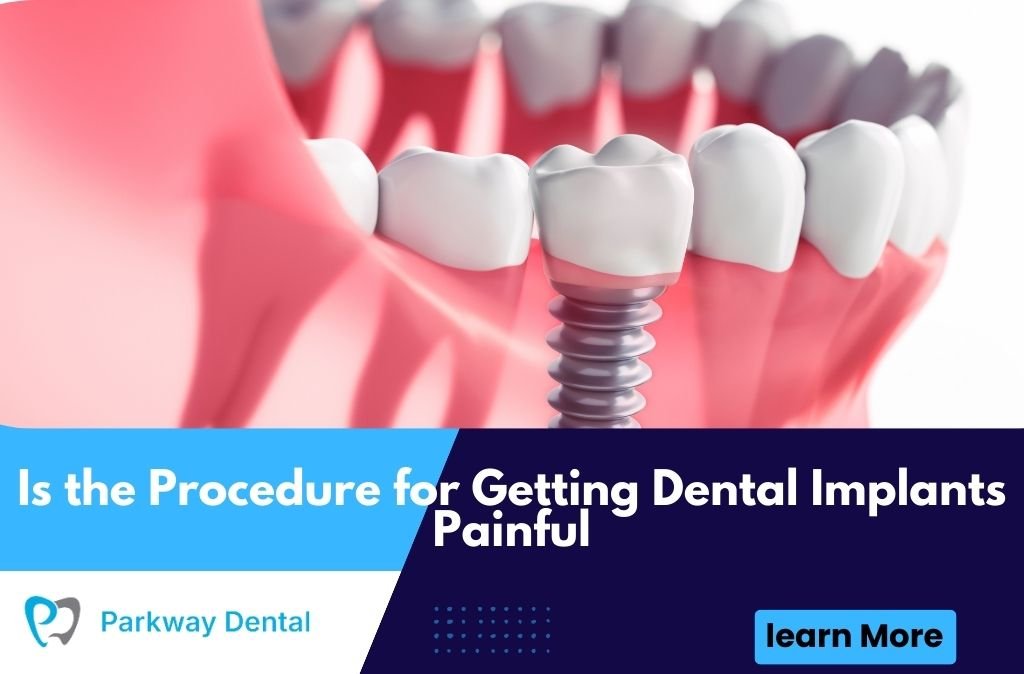
The implant process involves placing a titanium post inside the jawbone. This post acts as an artificial tooth root and provides strong support for the final crown.
How Dental Implants Are Designed to Mimic Natural Teeth
Dental implants are made from biocompatible materials that bond naturally with bone. This creates a stable tooth replacement that feels almost identical to a real tooth.
Is Getting Dental Implants Painful
This is the biggest question patients ask. The truth is that the dental implant procedure is typically far less painful than people imagine.
Why Most Patients Feel Little to No Pain During the Procedure
Dentists use advanced local anesthesia and sometimes sedation to numb the entire area. Patients may feel pressure or vibration, but not pain.
Pain Levels Compared to Other Dental Procedures
Many patients say that implant surgery feels similar to a tooth extraction or even easier. With modern techniques, the discomfort during the procedure is minimal.
Why Dental Implant Surgery Seems Less Painful Than Expected
The impression that implants must be painful is based on old methods. Today’s approach is far more precise.
Digital Planning Reduces Trauma
Using 3D scans and digital imaging allows the dentist to place the implant with extreme accuracy. This reduces tissue trauma.
Minimally Invasive Surgical Techniques
Smaller incisions and precise placement create less swelling, less bleeding and a quicker recovery.
Does the Number of Implants Affect Pain
Some patients need one implant, while others may need several. This can influence the sensation afterward, but the procedure itself is still comfortable.
Single Implant vs Multiple Implants
A single implant involves less healing time. Multiple implants may cause slightly more soreness, but still manageable.
Full Mouth Implants and All on 4 Procedure
Even with full mouth cases, sedation dentistry and minimally invasive planning keep the procedure comfortable.
Does Bone Grafting Make the Procedure More Painful
Some patients need bone grafting before implant placement.
Why Bone Grafting Is Not as Painful as It Sounds
Bone grafts are placed gently and usually cause mild soreness similar to a routine extraction.
Healing After Bone Grafting
Swelling and tightness are common, but severe pain is rare when properly managed.
Pain Management During the Procedure
Dentists use multiple techniques to ensure patients stay calm and comfortable.
Local Anesthesia
This numbs the surgical area completely so the patient feels no pain.
Sedation Dentistry Options
Oral sedation, IV sedation or nitrous oxide help anxious patients relax during surgery.
Why Modern Anesthetic Techniques Are Highly Effective
Advanced formulas numb deeper layers of tissue and last long enough for smooth placement.
What to Expect After Dental Implant Surgery
After the anesthetic wears off, patients may feel mild discomfort.
Normal Post Surgical Symptoms
These may include swelling, tightness in the jaw and slight soreness.
How Long Does Pain Last After Dental Implants
Most discomfort peaks within 24 to 48 hours and improves quickly over the next few days.
How Painful Is Recovery Compared to Other Dental Procedures
Patients often report that implant recovery is easier than expected.
Comparison to Tooth Extraction
Extractions typically cause more swelling and discomfort than implants.
Comparison to Root Canal Therapy
Root canals can cause lingering soreness. Implant discomfort tends to fade faster.
Pain Relief After Dental Implant Surgery
Proper aftercare reduces discomfort significantly.
Medications Your Dentist May Recommend
Over the counter pain relievers like ibuprofen or acetaminophen are usually enough.
Cold Compress Therapy
Applying ice helps reduce swelling in the first 24 hours.
Soft Diet Recommendations
Eating soft foods protects the healing area and prevents unnecessary pressure.
Factors That Influence Pain Levels After Dental Implants
Every patient is different, and pain levels can vary. Understanding what affects your comfort helps prepare you for the healing period.
Your Overall Health Condition
Patients with strong immune systems and healthy gums tend to heal faster with less discomfort. Conditions like diabetes or autoimmune disorders may slightly slow recovery, but proper care keeps discomfort manageable.
The Location of the Implant
Front implants typically cause less soreness because the bone in the front of the mouth is thinner and easier to work with. Back molar implants may cause slightly more swelling due to thicker bone.
Experience of the Dentist
A skilled implant dentist uses precise and gentle techniques that minimize tissue trauma. The more experienced the provider, the smoother and more comfortable your surgery and recovery will be.
How Dentists Reduce Pain Before, During and After Implant Surgery
Modern implant dentistry focuses heavily on patient comfort. Several strategies ensure a smooth and pain free experience.
Advanced Imaging for Accuracy
Cone beam CT scans allow dentists to map nerves, bone density and implant position with extreme accuracy. When placement is precise, pain and swelling are reduced significantly.
Custom Surgical Guides
Some dentists use 3D printed guides that help place the implant with near perfect accuracy. This reduces the need for large incisions and makes healing easier.
Gentle Tissue Handling
Minimally invasive techniques involve tiny incisions and careful lifting of the gums. This reduces trauma, bleeding and postoperative pain.
What Pain Feels Like After Dental Implants
Understanding what is normal helps reassure patients during recovery.
Mild Soreness Is Common
Most patients feel a dull soreness around the implant site, similar to the feeling after a deep cleaning or extraction.
Tightness in the Jaw
The jawbone may feel tight for a few days as swelling peaks and then reduces.
Minor Bruising or Swelling
The facial muscles around the surgical area may swell slightly, especially in the lower jaw.
What Pain Is NOT Normal
Sharp or throbbing pain, fever or increasing swelling may indicate infection and require immediate dental care.
Tips to Minimize Pain After Dental Implant Surgery
Proper at home care greatly influences comfort.
Follow Your Dentist’s Instructions
Every dentist provides personalized aftercare guidelines. Following them carefully helps ensure a smooth recovery.
Avoid Smoking
Smoking slows healing and significantly increases discomfort. Avoid smoking before and after your implant surgery.
Sleep With Your Head Elevated
Keeping the head raised minimizes swelling and reduces pressure on the surgical site.
Stay Hydrated
Drink plenty of water to help the tissues heal faster.
Avoid Touching the Surgical Area
Do not poke the implant site with your tongue or fingers.
Diet Tips for Reducing Pain After Implants
The foods you eat directly impact comfort levels.
Soft Foods Are Best
Choose foods like yogurt, mashed potatoes, soups, smoothies and scrambled eggs during the first few days.
Avoid Hard or Crunchy Foods
Chips, nuts, popcorn and tough meats may irritate the surgical area and increase soreness.
Avoid Extreme Temperatures
Very hot or cold foods can trigger sensitivity.
How Long Does It Take to Feel Normal After Dental Implants
Recovery is different for everyone, but most follow a similar pattern.
First 24 Hours
Minor bleeding, swelling and numbness are normal.
Day 2 to Day 3
Swelling may peak, but pain is still mild and manageable.
Day 4 to Day 7
Most patients feel significantly better and can return to normal eating.
Week 2 to Week 4
The mouth feels almost normal, with only slight tenderness when chewing.
Long Term Comfort With Dental Implants
Once healed, dental implants feel natural and comfortable.
Why Dental Implants Do Not Hurt Long Term
The titanium post integrates with the bone in a process called osseointegration. Once healed, the implant behaves like a natural tooth root and does not produce pain.
What If Pain Returns Months Later
Delayed pain may signal an infection or implant failure, although this is rare. A quick visit to the dentist resolves most issues early.
Does the Healing Process Hurt When the Implant Fuses With the Bone
Many patients misunderstand osseointegration and worry it may be painful.
Osseointegration Is Not Painful
This process occurs naturally and slowly within the jawbone. The bone cells attach to the implant surface without causing pain.
Why Some Patients Feel Slight Pressure
A small number of patients report minor pressure during chewing as the bone adjusts, but this is temporary.
Why Most Patients Say “It Was Easier Than I Expected”
Dental implants have a reputation for being painful, but the experience is usually much easier.
Technology and Techniques Have Improved
Digital planning, sedation options and minimally invasive surgery make the process smoother than older methods.
Patient Testimonials Support This
Most patients are surprised at how comfortable the procedure feels. They often say they experienced more discomfort from simple extractions or dental cleanings.
Emotional Factors That Influence Pain Perception
Fear and anxiety can make patients expect more pain than they actually experience.
Dental Anxiety Creates Tension
Anxious patients may feel more discomfort because they are tense. Sedation helps relax the mind and body.
A Supportive Dental Team Makes a Difference
Dentists who communicate clearly and create a calm environment help patients relax, which improves overall comfort.
When To Call Your Dentist After Surgery
While pain is typically mild, knowing when to seek help is important.
Signs You Should Contact the Dentist
- Increasing pain after several days
- Persistent bleeding
- Pus or foul smell
- Severe swelling
- Fever
These symptoms are uncommon but should be evaluated immediately.
Common Myths About Dental Implant Pain
Many people fear dental implants because of outdated beliefs. Modern implant dentistry is far more comfortable. Understanding what is myth versus reality helps patients feel calmer, informed and more confident about choosing dental implants.
Myth That Implant Surgery Is Extremely Painful
Many believe implant surgery is intensely painful, but modern anesthesia and minimally invasive techniques make the experience surprisingly comfortable. Most patients report pressure, not pain, and recover faster than they expected.
Myth That Multiple Implants Increase Pain Significantly
People assume that receiving several implants causes more severe pain, but discomfort depends more on surgical technique and aftercare. Even with multiple implants, pain is usually mild and manageable with simple medications.
Myth That Bone Grafting Creates Severe Pain
Bone grafting sounds intimidating, but most procedures are gentle with controlled discomfort. Patients often compare the soreness to a routine extraction rather than a major surgery, thanks to modern materials and improved techniques.
Long Term Results and Comfort With Dental Implants
After the healing period, dental implants feel just like natural teeth. They restore chewing ability, maintain jawbone health and offer long lasting comfort with no sensitivity, slipping or irritation, unlike traditional dentures or removable appliances.
Why Dental Implants Feel Natural Once Healed
Implants integrate with the jawbone through osseointegration, creating a strong foundation similar to natural tooth roots. This fusion eliminates movement, reduces long term discomfort and allows patients to chew, speak and smile with full confidence.
How Implants Protect Bone and Reduce Future Dental Pain
Implants stimulate jawbone tissues just like natural teeth, preventing bone loss that can cause facial changes or discomfort. This support reduces the risk of jaw pain, shifting teeth and long term dental complications.
Why Most Patients Experience Zero Pain After Full Healing
Once the implant fuses securely with the bone, it becomes a stable part of the mouth. Patients typically feel no pain, no irritation and no long term sensitivity, making implants one of the most comfortable restorations.
Benefits of Choosing Dental Implants Despite Fear of Pain
Choosing dental implants brings long term advantages that far outweigh temporary surgical discomfort. Patients enjoy stable chewing, strong bone health, natural aesthetics and improved quality of life compared to dentures or weakened bridges.
Improved Chewing and Comfort Compared to Dentures
Implants function like real teeth, allowing patients to eat comfortably without slipping or irritation. They restore full chewing power, enabling a varied diet and improving digestion, nutrition and confidence during meals.
Better Longevity Than Other Tooth Replacement Options
Implants can last a lifetime with proper care, unlike dentures or bridges which require frequent adjustments. Their durability makes them a reliable, long term investment with fewer complications and less discomfort over time.
A Natural Looking Smile With No Painful Movement
Because implants stay fixed in the jaw, they do not shift or rub against the gums. This stability eliminates sore spots, pressure points and the discomfort common with removable dentures.
Conclusion
The dental implant procedure is far less painful than most people expect. Modern anesthesia, digital planning and minimally invasive techniques make the process smooth, predictable and surprisingly comfortable. While mild soreness is normal afterward, it fades quickly with proper care. Most patients say the procedure was easier than expected and worth the short recovery. For long term stability, natural function and a confident smile, dental implants remain one of the best restorative options available. If you’re considering implants and want a comfortable, guided experience, speak with a trusted Dentist in West Roxbury, MA who can explain your options and support you through every step.
FAQs
Are dental implants painful to get
No. Dentists use local anesthesia and sedation to prevent pain during the procedure. Patients typically feel pressure, not pain, and most describe the experience as easier than expected.
How long does pain last after a dental implant
Most discomfort lasts one to three days and improves quickly. Mild soreness may continue for a week, but it is manageable with over the counter medications and proper aftercare.
Is dental implant surgery more painful than a tooth extraction
Most patients report that implant surgery is less painful than a tooth extraction. Because implants are placed precisely, the tissue experiences less trauma and heals more comfortably.
Can multiple dental implants cause more pain
Not necessarily. Discomfort depends more on surgical technique and healing response. Even with several implants, pain is typically mild and manageable with simple pain relievers.
Does bone grafting hurt
Bone grafting may cause mild soreness but is not considered highly painful. Most patients compare the feeling to a routine extraction rather than a major dental surgery.
Will I feel the implant after it’s placed
You may feel pressure or awareness for a few days, but once healed, you will not feel the implant. It functions like a natural tooth root without sensitivity.
What helps reduce implant pain after surgery
Cold compresses, soft foods, good oral hygiene and dentist recommended medications help reduce discomfort. Following aftercare instructions is essential for quick, comfortable healing.
Is sedation available for dental implant surgery
Yes. Many dentists offer oral sedation, nitrous oxide or IV sedation to make the procedure peaceful and reduce anxiety for patients who feel nervous.
Does osseointegration cause any pain
No. Osseointegration is a slow, natural bonding process between bone and implant. It happens internally and does not cause pain during healing.
When should I call my dentist about implant pain
Contact your dentist if pain increases after several days, if swelling worsens, or if you notice fever or pus. These could indicate infection and should be evaluated promptly.