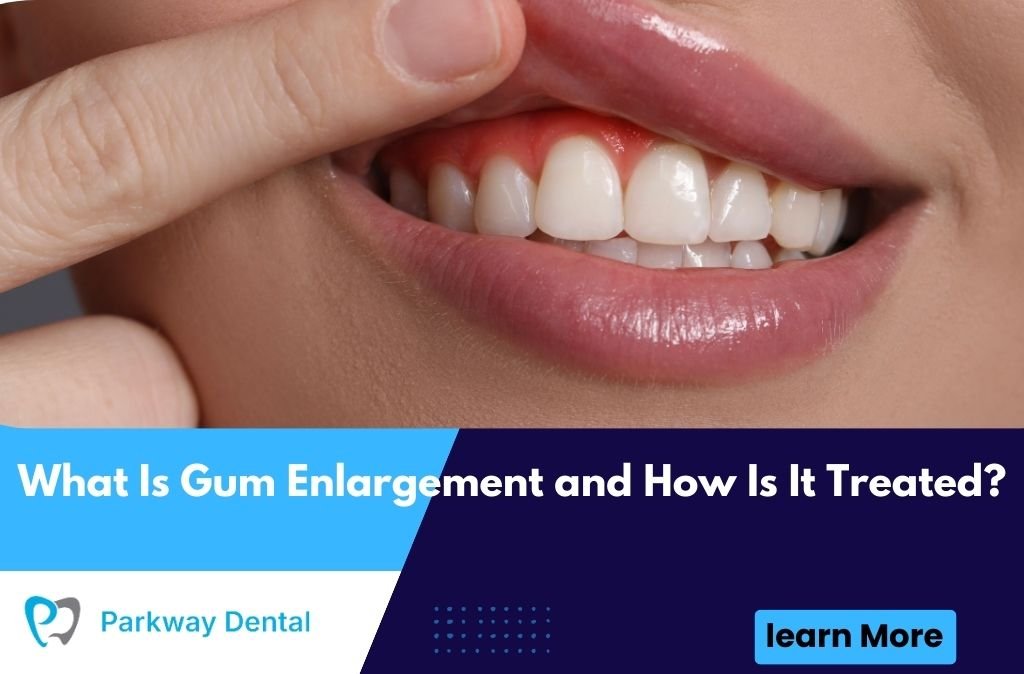
Gum enlargement also known as gingival hyperplasia, gingival overgrowth, or gum swelling is a condition in which the gum tissues increase in volume due to inflammation, systemic conditions, medications, or abnormal cellular proliferation. Although many patients notice gum swelling as a cosmetic concern, it is also a significant clinical issue that can affect oral hygiene, periodontal stability, and long-term dental health. This guide provides a detailed, clinical explanation of gum enlargement and its treatments.
Table of Contents
Understanding Gum Enlargement (Gingival Hyperplasia)
Gum enlargement is characterized by an abnormal increase in the size of the gingival tissues. It can be localized or generalized and may arise from inflammatory, drug-induced, genetic, or systemic factors. Clinically, gum overgrowth can cause discomfort, bleeding, difficulty cleaning, and aesthetic concerns. The severity depends on underlying causes and patient oral hygiene. Dentists diagnose gum enlargement using periodontal examinations, medical history review, and radiographs to assess bone support and identify contributing factors.
Clinical Appearance of Gingival Hyperplasia
Clinically, enlarged gums may appear swollen, firm, soft, or fibrotic depending on etiology. Inflammatory enlargement produces red, edematous, bleeding tissues, while drug-induced enlargement often shows firm, pale, fibrotic gingiva. The gums may cover tooth crowns and create pseudo-pockets that trap plaque. Assessing texture, color, and distribution helps identify whether the enlargement stems from inflammation, medication effects, or systemic conditions such as leukemia or pregnancy-related hormonal changes.
Types of Gum Enlargement
Gum enlargement is broadly categorized into inflammatory, drug-induced, hereditary, systemic-related, and neoplastic forms. Inflammatory enlargement arises from plaque accumulation and periodontitis. Drug-induced enlargement is linked to medications such as cyclosporine, phenytoin, and calcium-channel blockers. Hereditary forms, such as idiopathic gingival fibromatosis, occur without external triggers. Systemic-related enlargement stems from hormonal imbalances or systemic diseases. Neoplastic enlargement includes benign or malignant tumors requiring biopsy and further evaluation.
How Gum Enlargement Impacts Oral Function
Excessive gum tissue affects oral function by covering tooth surfaces, hindering proper brushing, and creating periodontal pockets. This environment traps bacteria, accelerating periodontal disease progression. Patients may experience pain, difficulty chewing, altered speech, and increased bleeding. In severe cases, gum enlargement can change tooth alignment or create occlusal interference. Professional evaluation ensures accurate diagnosis and selection of appropriate treatment strategies.
Causes of Gum Enlargement
Gum enlargement can arise from multiple sources, including inflammation, medication use, systemic conditions, and genetic predisposition. Identifying the cause is essential for effective management. Poor oral hygiene is the most common cause, leading to plaque-induced gingival inflammation. Certain medications also stimulate fibroblast proliferation, producing gingival overgrowth. Hormonal fluctuations, blood disorders, and autoimmune diseases can further contribute to gum enlargement. Comprehensive diagnosis includes reviewing patient history, current medications, and systemic health.
Inflammatory Gum Enlargement
Inflammatory enlargement is primarily caused by plaque accumulation and is common in patients with periodontal disease, poor oral hygiene, or untreated gingivitis. The gums appear red, tender, and prone to bleeding. Bacterial toxins induce tissue inflammation, triggering swelling and hyperplasia. If left untreated, inflammation contributes to periodontal pocket formation and bone loss. Treatment focuses on plaque removal, scaling and root planing, improved oral hygiene practices, and regular periodontal maintenance.
Medication-Induced Gingival Overgrowth
Certain medications such as phenytoin, cyclosporine, and calcium-channel blockers like nifedipine can cause gum enlargement. These medications stimulate gingival fibroblast activity and collagen production, leading to firm, fibrotic tissues, especially in the anterior region. The severity correlates with oral hygiene and dosage. Managing this condition may require medication adjustment by the physician, intensive periodontal therapy, and surgical reduction for severe cases.
Systemic and Hormonal Causes
Systemic diseases like leukemia, HIV, and autoimmune disorders may present gingival enlargement as an early clinical sign. Hormonal changes during pregnancy, puberty, or menopause can also cause gum swelling due to increased vascular permeability and inflammatory response. Diagnosing systemic-related gingival overgrowth requires collaboration between dental and medical professionals to address contributing conditions and stabilize gum health.
Symptoms of Gum Enlargement
Symptoms vary depending on the underlying cause and severity of gum enlargement. Patients commonly experience swollen or bulbous gum tissue, bleeding during brushing, bad breath, difficulty chewing, and cosmetic concerns. Advanced enlargement may cause tooth crowding or interfere with speech. Monitoring clinical patterns, duration, and associated systemic symptoms helps differentiate inflammatory causes from systemic or medication-induced overgrowth.
Visual and Physical Symptoms
Enlarged gums may appear red, swollen, glossy, or firm. In inflammatory enlargement, tissues are tender and bleed easily, while drug-induced enlargement tends to be firm and pale. Overgrowth may occur in specific areas or across the entire gingiva. Periodontal probing reveals pseudo-pocket formation caused by excess tissue, not attachment loss.
Functional Symptoms
Functional symptoms include difficulty brushing, flossing, or chewing. Enlarged gums may trap food, increasing the risk of gum disease, cavities, and halitosis. Speech difficulties can occur if the enlargement obstructs tongue movement or tooth surfaces. Patients may notice discomfort when biting due to tissue interference.
Systemic Symptoms Associated With Gum Enlargement
Systemic symptoms such as unexplained bruising, fatigue, fever, or swollen lymph nodes may indicate blood disorders like leukemia. Hormonal-related symptoms often coincide with pregnancy or puberty. Identifying systemic red flags is crucial for proper referral and diagnosis.
Diagnosing Gum Enlargement
Diagnosing gum enlargement involves clinical examination, periodontal assessment, radiographs, and evaluation of medical and medication history. Dentists assess tissue texture, color, and distribution to differentiate inflammatory from non-inflammatory causes. Radiographs rule out bone loss or underlying pathology. In some cases, biopsy is required to identify neoplastic or idiopathic overgrowth.
Clinical Examination Procedures
Clinicians examine gingival tissues for signs of swelling, firmness, bleeding, and pocket depth. They evaluate oral hygiene status, plaque accumulation, and areas of tissue overgrowth. Assessment includes measuring gingival indices and identifying patterns consistent with drug-induced or systemic enlargement.
Radiographic and Periodontal Analysis
Radiographs show bone levels and help determine whether gingival swelling is associated with periodontal disease. Periodontal charting reveals pocket depth, attachment levels, and distribution of enlargement. This aids in differentiating pseudo-pocketing from true periodontal pocketing.
When Biopsy or Medical Testing is Needed
A biopsy is performed when the enlargement appears atypical, asymmetric, or unresponsive to standard treatment. Blood tests may be required to rule out leukemia, hormonal disorders, or autoimmune conditions. Collaboration between medical and dental professionals ensures accurate diagnosis and comprehensive care.
Treatment Options for Gum Enlargement
Treatment depends on the underlying cause and may include professional cleaning, surgical procedures, medication adjustments, and improved oral hygiene. Early diagnosis prevents progression and reduces the need for invasive treatment. Dentists create personalized care plans to address inflammation, remove excess tissue, and restore periodontal health.
Non-Surgical Periodontal Therapy
Scaling and root planing remove plaque, calculus, and bacterial toxins, reducing inflammation and tissue swelling. Improved oral hygiene significantly decreases inflammatory enlargement. Antimicrobial rinses or localized antibiotics may be used to control bacterial load. Non-surgical therapy is essential before considering surgical intervention.
Surgical Gingival Reduction
Severe or fibrotic enlargement often requires gingivectomy, gingivoplasty, or periodontal flap surgery. These procedures reshape gingival tissue, remove excessive growth, and restore normal contours. Laser-assisted surgery provides precision, reduced bleeding, and faster healing.
Medication and Systemic Management
If enlargement is medication-induced, physicians may adjust dosage or substitute alternative drugs. Managing systemic conditions—such as diabetes, hormonal imbalances, or blood disorders is essential for gingival stability. Dental professionals collaborate with medical providers to ensure safe, effective treatment.
Preventing Gum Enlargement
Prevention focuses on maintaining excellent oral hygiene, regular dental cleanings, and early management of contributing factors. Timely intervention reduces the risk of severe overgrowth and periodontal complications. Educating patients about proper brushing, flossing, and lifestyle choices is key to long-term prevention.
Oral Hygiene Practices
Effective brushing twice daily, flossing, and professional cleanings remove plaque and reduce inflammation. Electric toothbrushes improve cleaning efficiency. Antimicrobial rinses may be recommended for high-risk patients.
Medication Awareness and Monitoring
Patients taking medications associated with gingival enlargement should undergo regular dental evaluations. Early detection allows modification of therapy before severe tissue overgrowth occurs.
Systemic Health Management
Managing systemic diseases such as diabetes, hormonal disorders, or immune conditions reduces inflammation and prevents gingival complications. Collaboration between dentists and physicians improves patient outcomes.
Conclusion
Gum enlargement is a complex clinical condition with multiple etiologies, ranging from inflammatory causes to systemic diseases and medication reactions. Early diagnosis, evidence-based treatment, and preventive strategies are essential for maintaining periodontal health and preventing long-term consequences. For professional evaluation and personalized care, consult a trusted Dentist in West Roxbury, MA for comprehensive diagnosis and treatment planning.