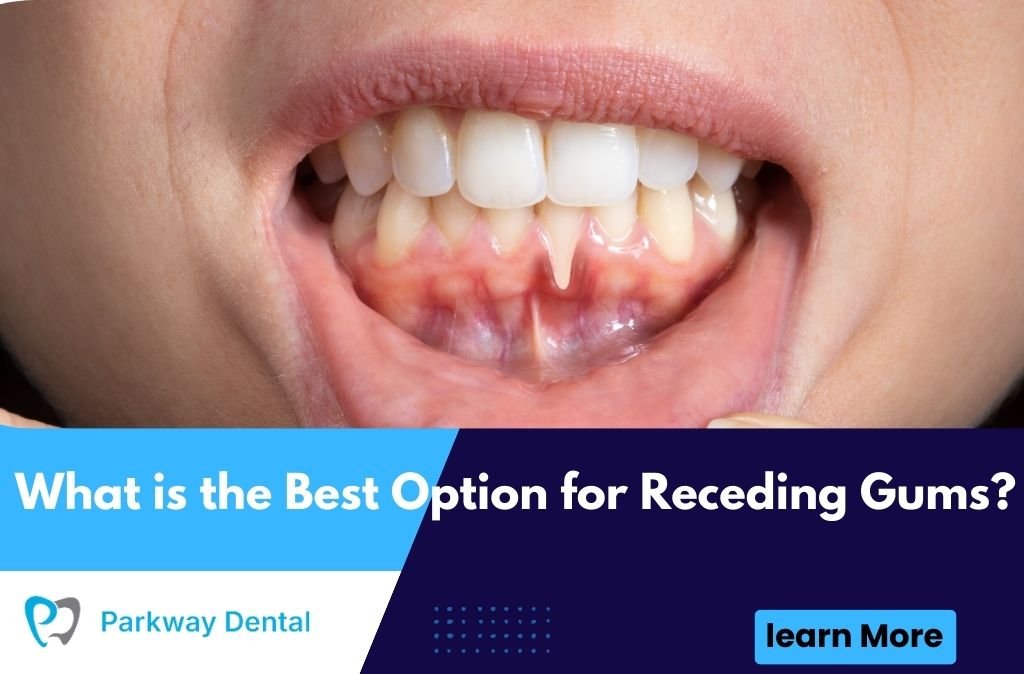
Discovering that your gums are receding can be alarming, leaving you wondering about the best course of action to protect your oral health and restore your smile. Receding gums represent more than just a cosmetic concern; they expose vulnerable tooth roots, increase sensitivity, and can lead to serious dental complications if left untreated. Understanding the various treatment options available empowers you to make informed decisions about your dental care. This comprehensive guide explores proven treatments for gum recession, from non-surgical approaches to advanced surgical techniques, helping you identify the best solution for your specific situation.
Table of Contents
Understanding Gum Recession and Its Causes
Before determining the best treatment, understanding why gum recession occurs helps prevent future problems and guides appropriate intervention choices.
Common Causes of Receding Gums
Periodontal disease ranks as the leading cause of gum recession, with bacterial infections destroying the supporting tissues and bone around teeth. Aggressive brushing techniques using hard-bristled toothbrushes gradually wear away delicate gum tissue over years. Genetic factors predispose some individuals to thin, fragile gum tissue regardless of excellent oral hygiene practices. Teeth grinding (bruxism) places excessive force on teeth, causing gums to recede over time. Tobacco use in any form significantly increases recession risk by restricting blood flow to gum tissue. Misaligned teeth or improper bite patterns create uneven pressure distribution, leading to localized recession. Hormonal changes, particularly in women during pregnancy or menopause, can make gums more vulnerable to recession.
Warning Signs and Symptoms
Recognizing early gum recession symptoms allows timely intervention before extensive damage occurs. Increased tooth sensitivity to hot, cold, or sweet substances indicates exposed root surfaces lacking protective enamel. Teeth appearing longer than normal or showing visible root surfaces signal tissue loss. Notches or indentations near the gum line represent areas where tissue has pulled away. Spaces or gaps developing between teeth suggest bone and tissue loss. Bleeding gums during brushing or flossing, while often associated with gingivitis, can accompany recession in periodontal disease cases.
Non-Surgical Treatment Options for Mild Recession
For patients with early-stage recession or those seeking conservative approaches, several non-surgical gum treatment methods provide effective results without invasive procedures.
Professional Deep Cleaning (Scaling and Root Planing)
When gum disease causes recession, thorough cleaning below the gum line removes bacterial deposits and calculus (tartar) that conventional cleaning cannot reach. This deep cleaning procedure involves scaling to remove plaque and tartar from tooth surfaces and beneath gums, followed by root planing to smooth root surfaces, eliminating rough areas where bacteria accumulate. Local anesthesia ensures patient comfort during the procedure. By eliminating infection sources and creating smooth surfaces, deep cleaning allows gums to heal and potentially reattach to teeth, halting further recession. Most patients require follow-up maintenance cleanings every three to four months to prevent disease recurrence.
Desensitizing Treatments and Fluoride Applications
For patients experiencing significant sensitive teeth due to exposed roots, professional desensitizing treatments provide relief while protecting vulnerable surfaces. Dentists apply concentrated fluoride varnishes or gels that strengthen exposed root surfaces and reduce nerve transmission. Prescription-strength desensitizing toothpaste containing higher concentrations of active ingredients offers daily protection. Some practices use bonding agents that seal tubules in exposed dentin, blocking pathways that transmit pain signals. These treatments work best for mild recession where sensitivity is the primary concern rather than extensive tissue loss.
Improved Oral Hygiene Practices
Modifying daily habits prevents further recession and supports overall gum health. Switching to soft-bristled toothbrushes and using gentle, circular brushing motions rather than aggressive horizontal scrubbing protects remaining gum tissue. Proper flossing technique removes plaque without traumatizing gums. Using antimicrobial mouthwash reduces bacterial populations contributing to gum disease. For those who grind teeth, custom nightguards prevent the excessive forces that accelerate recession. These conservative measures cost little but provide significant long-term benefits when consistently applied.
Surgical Treatment Options for Moderate to Severe Recession
When recession exposes significant root surface or continues progressing despite conservative treatment, gum graft surgery and related procedures offer definitive solutions.
Traditional Gum Grafting Procedures
Gum graft surgery remains the gold standard for actually regenerating lost tissue and covering exposed roots. Three main grafting techniques address different clinical situations. The connective tissue graft, most commonly performed, involves taking tissue from beneath the palate surface and securing it over exposed roots. This technique provides excellent root coverage and natural-looking results. The free gingival graft takes tissue directly from the palate surface, creating thicker, more resilient tissue ideal for areas needing durability rather than aesthetics. The pedicle graft uses tissue adjacent to the recession site, rotating it to cover exposed areas this technique works only when adequate nearby tissue exists.
Recovery and Success Rates
Gum grafting recovery typically requires one to two weeks, with most discomfort resolving within a few days. Patients experience some swelling and tenderness at both donor and recipient sites when palate tissue is used. Soft diet requirements last approximately one week. Success rates exceed 90% when patients follow post-operative instructions carefully. Results are permanent, with grafted tissue functioning like natural gum tissue indefinitely when properly maintained through good oral hygiene and regular professional care.
Pinhole Surgical Technique
This innovative, minimally invasive alternative to traditional grafting offers significant advantages for appropriate candidates. The pinhole technique involves creating tiny entry points in existing gum tissue, then using specialized instruments to gently loosen and reposition tissue over exposed roots. Collagen strips inserted through the pinholes stabilize the repositioned tissue during healing. This approach eliminates palate incisions, reducing discomfort and recovery time dramatically. No sutures are required, and multiple teeth can be treated in one appointment. However, the technique requires adequate existing tissue for repositioning and may not work for severe recession cases.
Advanced Treatment Options in West Roxbury, MA
Patients seeking cutting-edge solutions for receding gums treatment benefit from understanding the latest technological advances available in modern dental practices.
Laser-Assisted Gum Surgery
Laser gum treatment utilizes focused light energy to remove diseased tissue, eliminate bacteria, and stimulate tissue regeneration. The LANAP (Laser Assisted New Attachment Procedure) protocol treats periodontal disease while promoting new tissue attachment to tooth roots. Laser procedures typically involve less bleeding, reduced swelling, and faster healing compared to traditional surgery. The precision of laser technology preserves maximum healthy tissue while thoroughly addressing diseased areas. Many patients experience less discomfort during and after laser procedures, though results depend on recession severity and underlying causes.
Platelet-Rich Fibrin (PRF) Therapy
This regenerative approach harnesses your body’s natural healing properties to enhance gum surgery outcomes. PRF therapy involves drawing a small blood sample, processing it to concentrate healing factors, then applying this concentrated material during gum procedures. The growth factors in PRF accelerate healing, reduce inflammation, and promote tissue regeneration. When combined with grafting procedures, PRF treatment often improves outcomes and shortens recovery periods. This biological approach represents the cutting edge of regenerative dentistry, offering enhanced results for motivated patients seeking optimal outcomes.
Tissue-Stimulating Proteins
Enamel matrix derivative products applied during gum surgery stimulate the body’s natural regenerative processes. These proteins mimic substances present during tooth development, encouraging formation of new bone, cementum, and periodontal ligament the structures supporting teeth. When applied during regenerative gum surgery, these biologics enhance tissue attachment and may produce better long-term results than grafting alone. This approach works best for specific defect patterns and is often combined with grafting procedures for comprehensive reconstruction.
Choosing the Best Treatment for Your Situation
Determining the optimal approach requires considering multiple factors specific to your circumstances and goals for gum recession repair.
Severity Assessment
Mild recession affecting one or two teeth with minimal root exposure often responds well to conservative treatments like improved hygiene, desensitizing treatments, and monitoring. Moderate recession exposing several millimeters of root surface typically benefits most from gum grafting to restore coverage and prevent progression. Severe recession with extensive root exposure, mobility, or bone loss may require comprehensive treatment combining grafting, periodontal therapy, and potentially orthodontics to address underlying bite problems.
Underlying Cause Considerations
When periodontal disease drives recession, treating the infection through deep cleaning and improved oral hygiene must precede cosmetic procedures. Recession from aggressive brushing responds excellently to technique modification and conservative treatments without surgery. Grinding-related recession requires nightguard therapy alongside any grafting procedures to prevent recurrence. Understanding and addressing root causes ensures lasting results regardless of chosen treatment.
Budget and Insurance Factors
Treatment costs vary significantly, from hundreds of dollars for deep cleaning to several thousand for comprehensive gum grafting. Many dental insurance plans cover medically necessary gum treatments when recession threatens tooth health, though coverage percentages and maximums vary. Purely cosmetic procedures typically receive no coverage. Many practices offer payment plans making surgical options more accessible. Discussing costs and insurance coverage upfront helps you select treatments aligning with both clinical needs and financial reality.
Conclusion
Choosing the best option for receding gums depends on recession severity, underlying causes, personal preferences, and treatment goals. Conservative approaches like improved oral hygiene and deep cleaning work excellently for mild cases and disease prevention. Gum grafting surgery provides definitive correction for moderate to severe recession, actually regenerating lost tissue with excellent long-term results. Newer techniques like the pinhole method offer minimally invasive alternatives for appropriate candidates. Combining treatments addressing periodontal disease, performing grafting where beneficial, and maintaining excellent home care delivers optimal outcomes.
For comprehensive evaluation and personalized treatment planning, consulting with an experienced Dentist in West Roxbury, MA ensures you receive appropriate care tailored to your specific situation.
Frequently Asked Questions
What is the most effective treatment for receding gums?
Gum graft surgery represents the most effective treatment for moderate to severe recession, actually regenerating lost tissue and providing permanent root coverage. For mild recession, deep cleaning combined with improved oral hygiene stops progression effectively. The pinhole technique offers excellent results for appropriate candidates wanting minimally invasive options. Effectiveness depends on recession severity, underlying causes, and patient commitment to post-treatment care. Combining treatments—addressing periodontal disease, performing grafting where needed, and maintaining excellent home care—yields optimal long-term results.
Does insurance cover gum recession surgery?
Most dental insurance plans cover gum recession surgery when it’s medically necessary to prevent further damage, bone loss, or tooth loss. Coverage typically ranges from 50-80% after deductibles for procedures deemed necessary for oral health. Purely cosmetic grafting to improve appearance without functional concerns usually receives no coverage. Pre-authorization from your insurance company before surgery helps clarify coverage and out-of-pocket costs. Many offices assist with insurance paperwork and provide detailed cost estimates including expected insurance contributions.
Can you fix a receding gum line without surgery?
Yes, non-surgical gum treatment can address mild recession effectively. Deep cleaning (scaling and root planing) treats disease-related recession, allowing tissue to heal and potentially reattach. Improved brushing technique, soft-bristled toothbrushes, and proper oral hygiene prevent further recession. Desensitizing treatments protect exposed roots and reduce discomfort. Composite bonding covers exposed root surfaces cosmetically. However, these approaches don’t regenerate lost tissue—they stop progression and manage symptoms. Significant tissue loss requires gum grafting for actual tissue regeneration and comprehensive correction.
What is the new treatment for receding gums?
The pinhole surgical technique represents one of the newest, least invasive treatments, repositioning existing tissue through tiny entry points without traditional incisions or grafting. Platelet-rich fibrin (PRF) therapy uses concentrated healing factors from your own blood to enhance recovery and tissue regeneration during procedures. Laser-assisted gum surgery offers precise, comfortable treatment with faster healing. Tissue-stimulating proteins (enamel matrix derivatives) promote natural regeneration when applied during surgery. These advanced gum treatments provide excellent results with reduced discomfort and recovery time compared to traditional approaches.
When is it too late to fix receding gums?
It’s rarely completely “too late,” though severely compromised teeth with extensive bone loss, extreme mobility, or root decay may require tooth extraction rather than gum treatment. When recession exposes most of the root length, grafting success decreases but isn’t impossible. Advanced periodontal disease requiring extraction of multiple teeth might lead to dentures or dental implants rather than tissue grafting. However, even in compromised situations, treating remaining teeth prevents further damage. Consulting a periodontist provides expert assessment of salvageability and realistic treatment options regardless of severity.
How painful are gum grafts?
Gum graft pain is typically manageable and less severe than many patients anticipate. During the procedure, local anesthesia ensures complete numbness and comfort. Post-operatively, most patients describe discomfort as moderate, comparing it to having several teeth extracted. Pain peaks within 24-48 hours, then steadily improves. Prescription or over-the-counter pain medication controls discomfort effectively for most patients. The palate donor site usually causes more discomfort than the recipient site. By day three to four, pain significantly decreases. Within one to two weeks, most discomfort resolves completely, leaving only minor tenderness during healing.