Understanding the difference between plaque and calculus is one of the most important foundations of maintaining lifelong oral health. Both substances form on the teeth, both contribute to disease, and both must be controlled to prevent serious dental problems—but they are not the same.
Millions of people around the world struggle with gum disease, tooth decay, bad breath, and oral infections, and in most cases, these conditions begin with the accumulation of dental plaque. When plaque is not removed in time, it hardens into calculus, a material that cannot be removed at home and requires professional treatment.
This comprehensive guide explains the formation, risks, prevention strategies, and treatment options for plaque vs. calculus, helping you understand how to protect your oral health and avoid long-term complications.
Table of Contents
Understanding What Plaque Really Is
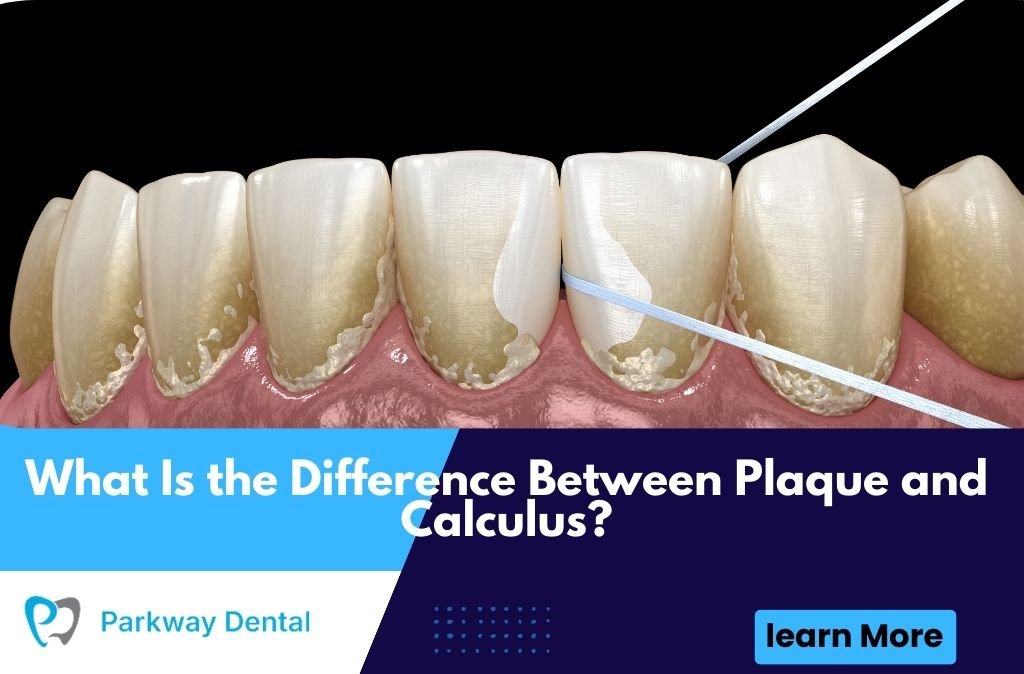
Dental plaque is a soft, sticky film made primarily of bacteria, food particles, and saliva. It forms continuously on the teeth within hours after brushing and is the starting point for nearly every oral health problem. Because plaque is colorless and soft, most people do not notice it until it has already accumulated beyond healthy levels.
Plaque contains millions of active bacteria. As these bacteria feed on sugars from your diet, they release acids that attack tooth enamel. Over time, this leads to cavities, gum irritation, and chronic inflammation. If plaque is not removed daily, it begins to harden and become the much more dangerous calculus.
What Causes Plaque to Form?
Plaque forms naturally because the mouth is constantly exposed to bacteria and food debris. Every time you eat, drink, or even swallow, the bacteria in plaque are activated. Poor brushing habits, irregular flossing, and high-sugar diets accelerate plaque formation.
When plaque accumulates, it becomes highly acidic, damaging enamel and increasing the risk of decay. It also collects along the gumline, leading to gingival inflammation and early gum disease.
Understanding What Calculus (Tartar) Is
Calculus, often called tartar, is hardened plaque that has mineralized on the teeth. Once plaque absorbs minerals from saliva especially calcium and phosphate it transforms into a hard, crusty deposit that strongly adheres to enamel.
Unlike plaque, calculus cannot be removed with a toothbrush or floss. It requires professional removal during a dental cleaning. Calculus is porous, making it the perfect environment for bacteria to thrive. This allows gum disease to progress more aggressively.
How Calculus Forms on the Teeth
Calculus forms when plaque is left on the teeth for more than 24–48 hours. Minerals in your saliva begin to crystallize the soft plaque into a hard substance. The rough surface of calculus traps even more bacteria, creating a cycle of inflammation and deterioration.
Calculus is most commonly found:
- Behind the lower front teeth
- Along the gumline
- On the back molars
- Around dental restorations
Once calculus forms, it is extremely difficult to remove without the proper dental tools.
Key Differences Between Plaque and Calculus
Understanding how plaque differs from calculus helps you know when home care is enough and when professional treatment becomes essential.
Difference in Formation and Texture
Plaque is soft, sticky, and easy to remove with daily brushing and flossing. It forms constantly and needs regular disruption to prevent damage.
Calculus, in contrast, is hard, rough, and firmly attached to the teeth. Only a dental professional can remove it safely. Patients often feel calculus as a roughness along the tooth surface or see it as a yellow or brown deposit.
Difference in Health Risks
Both plaque and calculus contribute to dental problems, but the severity varies.
Plaque risks include:
- Tooth decay
- Gingivitis
- Acid erosion
- Bad breath
Calculus risks include:
- Advanced periodontal disease
- Gum recession
- Bone loss
- Loose teeth
- Chronic infections
The presence of calculus significantly increases the rate at which gum disease progresses.
How Plaque Affects Oral Health
Plaque is the primary driver of dental decay and early gum disease. When bacteria in plaque feed on sugar, they produce acids that attack the enamel. Over time, this leads to cavities that require fillings, root canals, or crowns.
Plaque also irritates gum tissue. As inflammation builds, gums become swollen, bleed easily, and begin pulling away from the teeth. This early form of disease gingivitis can still be reversed with proper care.
Plaque and Cavities
One of the most common consequences of plaque is tooth decay. As plaque acids weaken enamel, cavities form. If untreated, decay reaches the tooth pulp, requiring a root canal treatment.
How Calculus Affects Oral Health
Calculus is far more dangerous than plaque because it advances gum disease and permanently damages the supporting structures of the teeth. Its rough surface collects bacteria, causing intensified inflammation.
Over time, calculus buildup leads to periodontitis, a severe form of gum disease that destroys bone and eventually causes tooth loss. Calculus under the gumline is especially harmful and must be removed by deep scaling.
Calculus and Gum Disease Progression
Gingivitis becomes periodontitis when calculus spreads beneath the gums. This causes:
- Gum pockets
- Infection
- Bone resorption
- Tooth mobility
Once this happens, home care is not enough. Treatment requires scaling, root planing, and sometimes gum surgery.
Visual Differences Between Plaque and Calculus
Plaque is nearly invisible. You may only notice it through bad breath or a fuzzy feeling on the teeth. In contrast, calculus is visible as yellow, brown, or black hardened deposits.
Patients often mistake calculus for staining, but unlike stains, calculus cannot be removed with whitening or brushing.
Treatment Options for Plaque and Calculus
Different treatments are required for plaque vs. calculus because of their unique textures and structure.
Removing Plaque at Home
Plaque removal is achievable with consistent home care. Effective techniques include:
- Brushing twice daily with fluoride toothpaste
- Flossing to remove plaque between teeth
- Using antimicrobial mouth rinses
- Limiting sugary snacks and acidic drinks
- Maintaining proper brushing technique
Daily attention prevents plaque from hardening into calculus.
Removing Calculus at the Dental Office
Once plaque becomes calculus, only professional treatment removes it. Dentists use ultrasonic scalers and manual instruments to safely separate calculus from teeth.
This process is called scaling, and when performed beneath the gumline, it is known as deep cleaning or scaling and root planing.
The Role of Professional Dental Cleanings
Regular professional cleanings are essential for preventing calculus formation and identifying early signs of gum disease.
During a cleaning, your hygienist removes plaque, calculus, and stains while examining gum health. This ensures that even hard-to-reach areas remain free from debris.
Professional cleanings also help prevent chronic dental issues such as periodontitis, tooth loss, and recurring infections.
How Often Should You Get a Dental Cleaning?
Most people require a cleaning every six months. However, patients with gum disease or high plaque accumulation may need visits every 3–4 months.
Research consistently shows that regular cleanings reduce the risk of gum disease progression, bone loss, and future tooth loss.
Why Some People Develop More Calculus Than Others
Several factors influence calculus accumulation, including:
- Genetics
- Smoking habits
- Dry mouth
- Diet
- Crowded teeth
- Poor brushing technique
- Certain medications
- Systemic illnesses
Even patients with good oral hygiene may still develop calculus if they are biologically prone to fast mineralization.
Preventing Plaque and Calculus Before They Start
Preventing plaque and calculus requires combining at-home care with professional dental visits. Some of the most effective prevention strategies include:
Improve Brushing Technique
Focus on brushing at the gumline, where calculus begins to form. Use soft bristles and gentle circular motions.
Use Interdental Cleaners
Flossing removes plaque between teeth where brushes cannot reach. Water flossers and interdental brushes further reduce buildup.
Maintain a Tooth-Healthy Diet
Reduce intake of sugary foods, sticky snacks, and acidic drinks. These items fuel plaque bacteria and weaken enamel.
Stay Hydrated
Adequate saliva production helps neutralize acids and slow plaque formation. Chewing sugar-free gum can also help stimulate saliva.
Long-Term Oral Health Risks of Plaque and Calculus
When left untreated, plaque and calculus can lead to several serious complications, including:
- Advanced gum disease
- Tooth loss
- Chronic infection
- Systemic inflammation
- Heart disease connections
- Diabetes complications
Studies show that periodontal inflammation is linked to systemic health problems, including cardiovascular risk.
Why Professional Evaluation Matters
A dental professional can identify plaque and calculus early, preventing the need for extensive treatment later on. Many patients are surprised to learn that calculus can form beneath the gums long before it becomes visible.
This is why regular checkups, dental X-rays, and periodontal measurements are essential for maintaining long-term oral and systemic health.
Conclusion
Understanding the difference between plaque and calculus empowers you to take control of your oral health, prevent gum disease, and protect your teeth from long-term damage. Plaque is soft and removable at home, while calculus is hardened, dangerous, and requires professional intervention. With consistent care, healthy habits, and regular dental visits, you can prevent both harmful substances from compromising your smile and overall well-being. For expert guidance and personalized oral care recommendations, speak with an experienced Dentist in West Roxbury, MA who can help you maintain a healthy, plaque-free smile for life.