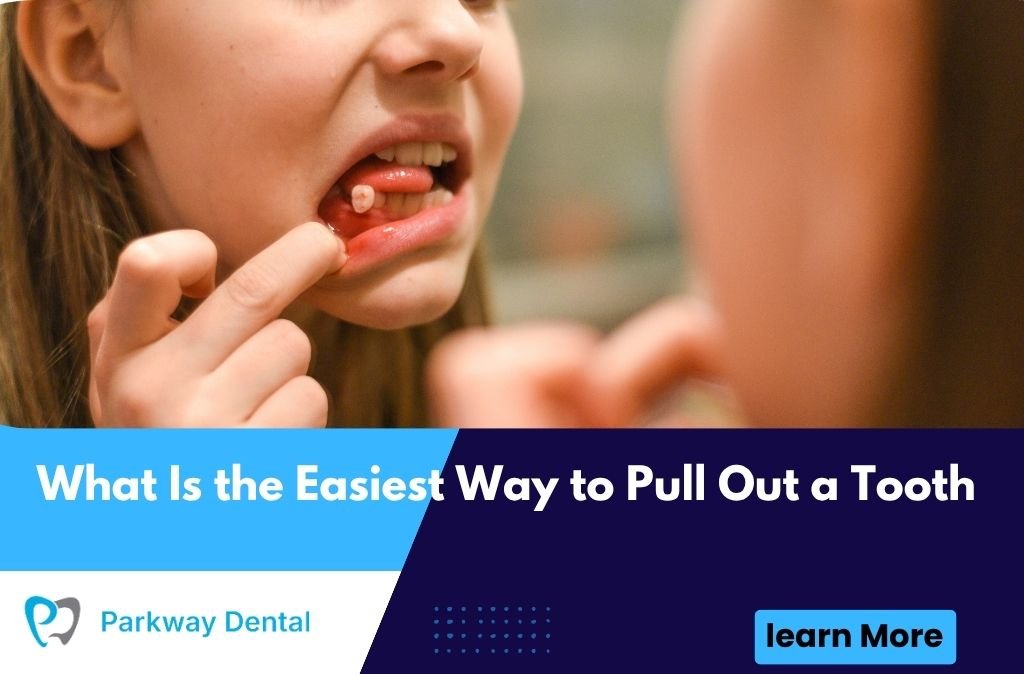
Losing a tooth is a normal part of childhood, but when a child (or even an adult) has a loose tooth, the big question becomes: What is the easiest way to pull out a tooth? The truth is that teeth should never be forced out. They should come out naturally when the roots have dissolved enough for the tooth to detach safely. But many people still try to speed up the process — especially when the tooth is wiggly, irritating, or causing discomfort.
This detailed guide explains when it is safe to remove a tooth, how to do it gently, and when to avoid pulling a tooth at home. You’ll also learn safe methods, warning signs, pain-free tips, and professional advice from a dentist’s point of view.
Table of Contents
What Makes a Tooth Ready to Pull Out
Before pulling a tooth, the most important step is checking whether it is truly ready.
A baby tooth becomes ready to fall out when the permanent tooth underneath pushes upward, dissolving the root of the baby tooth. As the root disappears, the tooth becomes increasingly loose and eventually detaches on its own.
How to Know If a Tooth Is Ready
A tooth is ready to come out if it moves freely in many directions with minimal discomfort.
If the tooth feels stiff, causes sharp pain, or bleeds heavily when wiggled, it is not ready. In such cases, pulling it can lead to gum injury, infection, or unnecessary pain.
What Is the Easiest Way to Pull Out a Tooth Safely
The gentlest and safest way is to let the tooth fall out naturally. However, if the tooth is extremely loose almost hanging it can be safely removed with simple steps at home.
Step-by-Step Safe Method to Pull a Tooth
The easiest safe method includes:
- Wash your hands thoroughly.
- Wiggle the tooth gently for several seconds.
- Use a piece of clean gauze to grip the tooth.
- Twist gently while pulling upward.
- Apply light pressure to stop bleeding.
The twist + lift method works better than pulling straight down because it helps the tooth detach from the last tiny ligament fibers.
What Not to Do When Pulling a Tooth
Many people try “old-fashioned” methods, but they can cause injury.
Avoid These Harmful Techniques
- Tying a string to the door and slamming it
- Pulling sharply without checking readiness
- Using tools like pliers (never do this)
- Pulling a tooth that is barely loose
These methods may cause severe pain, gum tears, and unnecessary bleeding.
Is It Safe to Pull Out a Loose Baby Tooth at Home
Yes, if the tooth is extremely loose, it is normally safe to remove it at home. But adults should avoid pulling permanent teeth at home.
When It’s Safe vs. Unsafe
Safe when:
- It wiggles easily
- It’s a baby tooth
- There is no swelling or pain
Unsafe when:
- It’s a permanent tooth
- There is severe pain
- There is swelling, infection, or fever
- The tooth is only slightly loose
Permanent teeth require professional care never attempt to pull them at home.
How to Make Tooth Removal Painless
Even when a tooth is ready, kids may fear discomfort. A few simple tricks can reduce pain and anxiety.
Pain-Free Tips Before Pulling a Tooth
- Use a cold compress to numb the area
- Wiggle the tooth daily to loosen it
- Let the child eat apples or carrots to naturally loosen the tooth
- Apply oral numbing gels (kid-safe only)
- Distract them with conversation or music
Kids are less anxious when the process feels natural, gentle, and not rushed.
Do Cold Foods Help Loosen Baby Teeth
Cold foods can help numb the gums slightly and make tooth removal easier.
Foods to Try
- Popsicles
- Ice chips
- Cold apples
- Frozen yogurt
These foods both soothe irritation and encourage gentle tooth movement.
What If the Tooth Bleeds After Removal
Some bleeding is normal and usually stops within a few minutes.
How to Handle Bleeding Properly
- Apply clean gauze over the socket
- Ask the child to bite down for 10–15 minutes
- Avoid rinsing with water immediately
- Stay away from hot foods for a few hours
Bleeding that lasts longer than 30 minutes requires a dental evaluation.
Should You Pull a Permanent Tooth at Home
Absolutely not. Adult teeth are meant to last a lifetime.
Why You Should Never Remove a Permanent Tooth Yourself
Pulling a permanent tooth can lead to:
- Severe infection
- Excessive bleeding
- Damage to surrounding bone
- Future tooth shifting
- Long-term bite problems
Adults should always see a professional for tooth extraction.
Can You Pull Out a Tooth with a Cavity
A cavity makes the tooth weaker, but this does not mean you should pull it yourself.
Why It’s Risky
A decayed tooth can break during pulling, increasing the risk of:
- Gum infection
- Abscess formation
- Complications requiring surgery
- Severe pain
If a damaged or decayed tooth is loose, a dentist should evaluate it first.
What to Do If a Loose Tooth Hurts
Pain in a loose tooth means something is not normal.
Possible Causes of Pain
- Mild inflammation around the gum
- The tooth isn’t ready to fall out
- Food trapped around the tooth
- Early infection
Warm saltwater rinses and daily brushing often help, but pain that persists should be checked by a dentist.
Is It Normal for a Baby Tooth to Wiggle for Weeks?
Yes. Some teeth loosen slowly over time.
Why It Takes So Long
Every child is different. Some teeth fall out quickly, while others take weeks or months.
As long as there is no pain or swelling, this is perfectly normal.
What Happens If You Pull a Tooth Too Early
Pulling a tooth prematurely can harm your child’s oral development.
Risks of Early Removal
- Excessive bleeding
- Pain and trauma
- Gum damage
- Misalignment of future teeth
- Increased risk of infection
When in doubt, let a dentist check the tooth rather than pulling too early.
When to Avoid Pulling a Tooth at Home
There are situations where home removal should be avoided entirely.
Warning Signs to Watch For
- Swollen gums
- Redness or pus
- Fever
- Severe pain
- Bad breath
- Tooth is only slightly loose
These symptoms may indicate infection or another issue that needs professional care.
How Dentists Remove a Loose Baby Tooth
If you’re unsure about removing the tooth yourself, a dentist can safely handle it.
Professional Extraction Is Quick and Painless
Dentists use sterile tools, numbing gel, and gentle pressure, making the process simple and stress-free. This prevents complications, ensures proper healing, and keeps the gums healthy.
Conclusion
Pulling a tooth especially a baby tooth should be a gentle, natural process. The easiest and safest method is to wait until it is very loose and remove it with minimal force. Avoid outdated or harsh techniques, never attempt to pull permanent teeth, and always watch for signs of infection or pain.
If your child’s tooth won’t come out, if you feel unsure, or if there are complications, a Dentist in West Roxbury, MA can safely examine the tooth and provide guidance. Gentle care, proper timing, and professional support make tooth removal simple and stress-free.
FAQs
What is the easiest way to pull a loose tooth at home?
Let it loosen naturally, wiggle gently, use clean gauze to twist and lift lightly.
Is it safe to pull out a baby tooth yourself?
Yes, if it’s extremely loose. Otherwise, wait or visit a dentist.
Why does my child’s loose tooth hurt?
Pain may indicate inflammation, food trapped, or the tooth not being ready yet.
Can I pull a permanent tooth at home?
No. Permanent teeth require professional extraction only.
How long does bleeding last after removing a tooth?
Usually 5–15 minutes. Longer than 30 minutes requires dental care.
What helps loosen a tooth naturally?
Wiggling, eating crunchy foods like apples, and gentle brushing.
What should I do if the tooth breaks while pulling?
Stop immediately and see a dentist to avoid infection or complications.
Can adults remove their own loose teeth?
Never. Adult teeth should only be removed by a dentist.