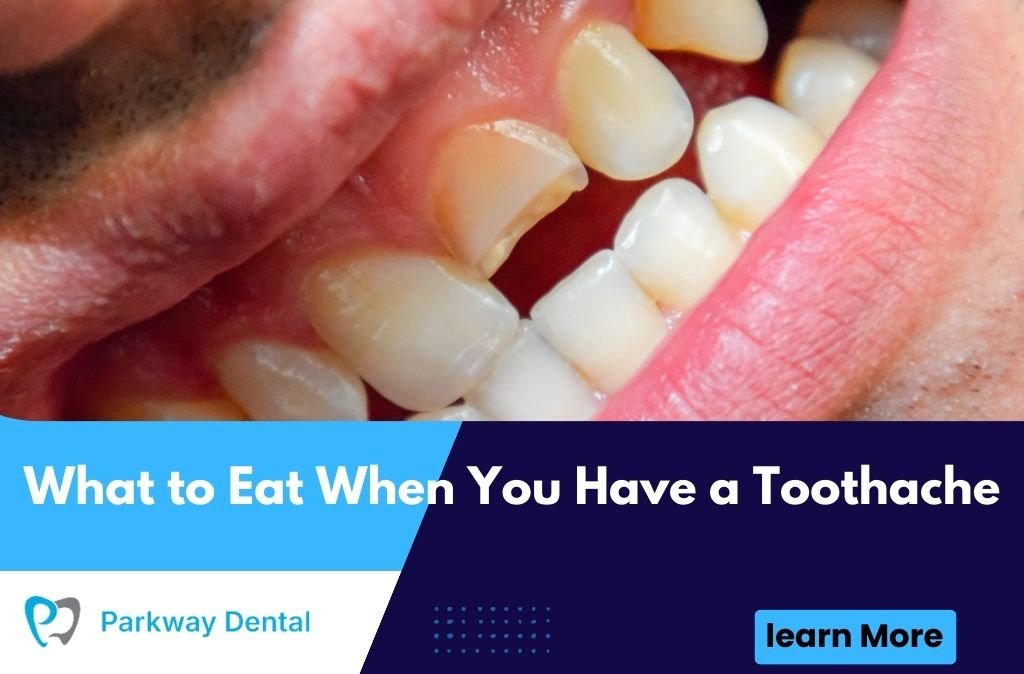
Hearing that you need a tooth extraction can feel overwhelming. Many patients immediately worry about pain, recovery time, or the appearance of their smile afterward. But with today’s advancements in dentistry, the process is safe, efficient, and often much easier than you think.
This guide walks you through the entire experience—from the reasons behind tooth removal to what happens during the procedure and how to recover smoothly. By the end, you’ll know exactly what to expect before, during, and after a tooth extraction, with answers to the most common questions patients ask.
Why Tooth Extractions Are Performed
Not every dental issue requires extraction, but in some cases, removing a tooth is the healthiest choice.
Severe Tooth Decay or Infection
When a tooth is badly decayed or infected beyond repair, even a root canal or crown may not save it. Removing the tooth prevents the infection from spreading.
Impacted Wisdom Teeth
Wisdom tooth removal is one of the most common extractions. These molars often erupt at awkward angles, get trapped in the gums, or press against other teeth.
Overcrowding
Sometimes, a dentist recommends extraction before orthodontic treatment. Removing a tooth creates space so braces or aligners can straighten the smile effectively.
Gum Disease and Bone Loss
Advanced periodontal disease weakens the bone that supports teeth, making extraction necessary when teeth become loose.
Types of Tooth Extractions
Not all extractions are the same. Your dentist will determine which type suits your situation.
Simple Extraction
A simple extraction is used when the tooth is visible and easy to access. The dentist loosens the tooth with a tool called an elevator and removes it with forceps.
Surgical Extraction
A surgical extraction is more complex. It’s often needed for impacted wisdom teeth or teeth broken at the gum line. The oral surgeon may make small incisions in the gums, remove surrounding bone, or section the tooth into pieces for easier removal.
Preparing for a Tooth Extraction
Being prepared helps reduce anxiety. Your dentist will guide you with specific instructions.
Medical History and X-Rays
You’ll discuss your overall health, medications, and allergies. Dental x-rays help the dentist see the tooth’s position and roots clearly.
Pre-Procedure Instructions
If you’re receiving sedation or general anesthesia, you may be asked to fast for several hours before your appointment. Patients on blood thinners may need temporary adjustments with their physician’s approval.
What Happens During a Tooth Extraction
The procedure itself is often much quicker than patients expect.
Numbing the Area
The dentist applies local anesthesia to numb the gums and surrounding area. In surgical cases, sedation or general anesthesia may also be provided.
Loosening and Removing the Tooth
Once you’re numb, the dentist gently loosens the tooth and removes it. You may feel pressure but should not feel sharp pain.
Stitches and Gauze
If necessary, the dentist will place stitches to help the site heal. Gauze is used to control bleeding and allow a clot to form.
Recovery and Healing After a Tooth Extraction
Many patients are concerned about recovery time and discomfort. Healing is usually straightforward if you follow instructions carefully.
The First 24 Hours
Bleeding slows, and a blood clot forms in the socket. Rest is important during this period.
Day 2–3
Swelling and soreness are normal. This is when discomfort may peak, but pain medication and ice packs help.
Day 4–7
Healing accelerates. You can resume most normal activities but should still avoid chewing directly on the extraction site.
Two Weeks and Beyond
For simple extractions, most patients feel fully healed within two weeks. Surgical extractions, like wisdom tooth removal, may take three to four weeks.
Aftercare Tips for Smooth Healing
Following aftercare instructions prevents complications like dry socket.
Do’s After Extraction
- Rest for at least 24 hours.
- Eat soft foods like yogurt, applesauce, or mashed potatoes.
- Use ice packs to reduce swelling.
- Take prescribed medications.
Don’ts After Extraction
- Avoid smoking, spitting, or drinking through a straw.
- Don’t eat crunchy, spicy, or acidic foods in the first few days.
- Avoid heavy exercise for 48 hours.
Understanding Tooth Extraction in Daily Life
Living with the results of a tooth extraction involves small adjustments to your daily routine. From eating softer foods in the early days to maintaining gentle oral hygiene, the healing process is manageable. Most patients quickly return to normal activities, provided they follow their dentist’s aftercare instructions carefully.
Eating After Extraction
Stick to soft foods for the first few days. Gradually introduce more solid foods as the site heals.
Brushing and Flossing
Continue brushing, but avoid the extraction site for the first 24 hours. After that, gently rinse with warm salt water to keep the area clean.
Possible Risks and Complications
While rare, some risks include:
Dry Socket
Occurs when the blood clot is dislodged, exposing bone and nerves. This causes sharp pain and delays healing.
Infection
Signs include fever, pus, and swelling that worsens instead of improving.
Nerve Irritation
Rare in lower molar extractions, but usually temporary if it occurs.
Alternatives to Tooth Extraction
If possible, dentists prefer saving the tooth.
Root Canal Therapy
Removes infected pulp but preserves the natural tooth structure.
Crowns and Restorations
If the tooth has structural damage but strong roots, a dental crown can save it.
What Patients Want to Know Most
People often search for recovery details, costs, and lifestyle adjustments after an extraction.
Cost of Tooth Extraction
- Simple extraction: $100–$300
- Surgical extraction: $250–$600
- Wisdom teeth: $250–$800 per tooth
Conclusion
A tooth extraction is a common and safe dental procedure. By knowing what to expect before, during, and after, you can approach it with confidence. Following aftercare instructions and staying in touch with your dentist ensures smooth healing and long-term oral health.
If you’re seeking professional care, a dentist in West Roxbury, MA can provide expert extractions, personalized treatment, and compassionate aftercare for the best results.
FAQs
What are you not supposed to do after getting a tooth pulled?
Avoid smoking, drinking through straws, spitting, or eating crunchy foods that may dislodge the clot.
How painful are tooth extractions?
With modern anesthesia, extractions are not painful. Some soreness afterward is normal but manageable.
How long do I rest after a tooth extraction?
At least 24 hours, with limited physical activity for 48 hours.
Why is day 3 the worst after tooth extraction?
Swelling peaks around day three, making it the most uncomfortable stage.
What is the most painful day of tooth extraction?
Typically day two or three, before healing accelerates.
How to sleep first night after tooth extraction?
Keep your head elevated with extra pillows to reduce bleeding and swelling.
Does gauze prevent dry socket?
Yes, keeping gauze in place helps protect the clot and lower the risk of dry socket.
Can I drink cold water after tooth extraction?
Yes, cold water is safe and can help soothe the area. Avoid hot drinks.
Should I take a day off work after tooth extraction?
Yes, especially if you had a surgical extraction. Most people return within 1–2 days.