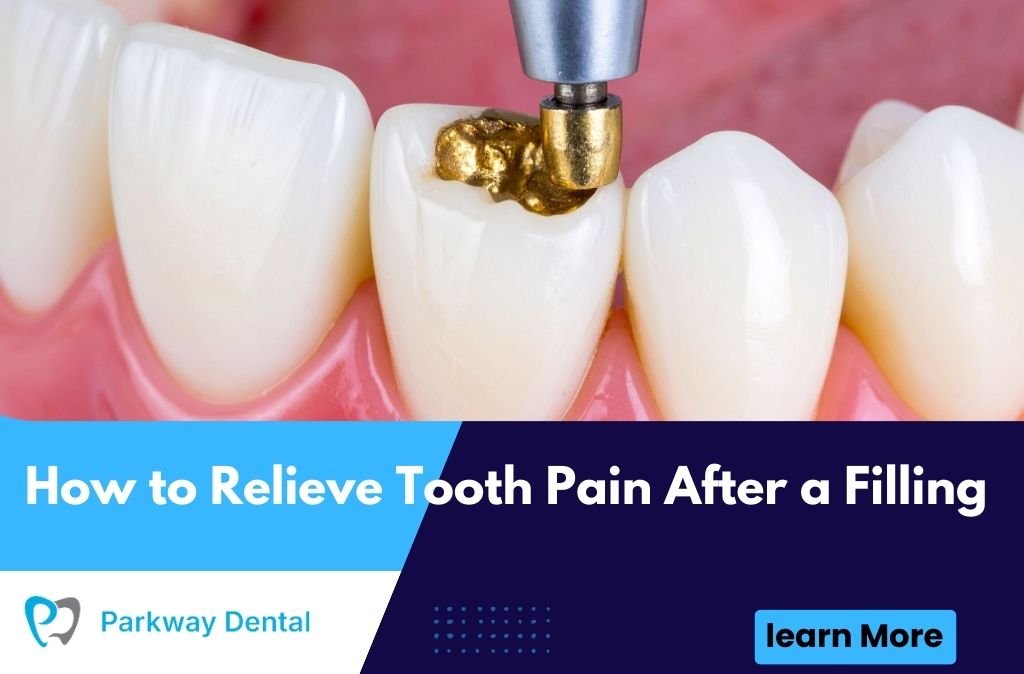
Experiencing discomfort after receiving a dental filling can be unsettling, especially when you expect the procedure to eliminate pain rather than cause it. While some sensitivity after filling is completely normal, understanding what constitutes typical post-procedure discomfort versus warning signs requiring attention helps you navigate recovery confidently. Tooth Pain After Filling affects many patients temporarily, but knowing effective relief strategies and recognizing when professional follow-up becomes necessary ensures optimal healing and long-term restoration success. This comprehensive guide explores common causes of post-filling pain, proven relief methods, and important indicators that distinguish normal healing from complications requiring dental intervention.
Table of Contents
Understanding Normal vs. Abnormal Post-Filling Pain
Before seeking relief, distinguishing between expected discomfort and problematic pain helps you respond appropriately and avoid unnecessary worry.
Why Sensitivity Occurs After Fillings
Tooth sensitivity following dental work develops for several legitimate reasons related to the restoration process itself. During cavity preparation, the drill generates heat and vibration that temporarily irritates the tooth’s inner pulp tissue containing nerves. Removing decay close to the pulp chamber leaves minimal protective dentin barrier, making the nerve more reactive to stimuli. The filling materials themselves, particularly composite resins—undergo polymerization (hardening) that can cause slight tooth contraction, creating temporary sensitivity.
Additionally, the dental dam, instruments, and prolonged mouth opening during the procedure can irritate surrounding gums and jaw muscles, contributing to generalized discomfort. Your bite may feel slightly different immediately after filling placement due to numbness preventing accurate bite assessment during the appointment. These factors combine to create the common experience of post-filling tooth pain that typically resolves within days to weeks as tissues adapt and settle.
Expected Duration of Normal Discomfort
Mild sensitivity to temperature changes, sweet foods, or pressure during chewing is completely normal for 1-2 weeks following filling placement. This discomfort should gradually decrease in frequency and intensity, with each episode becoming shorter and less severe. Most patients notice significant improvement by day 3-4, with complete resolution within two weeks. Sensitivity triggered only by specific stimuli (hot coffee, cold water, biting pressure) that quickly subsides when the stimulus is removed indicates normal healing rather than complications.
Warning Signs of Problematic Pain
Certain pain characteristics suggest complications requiring professional evaluation rather than simple post-procedure sensitivity. Severe, throbbing pain that wakes you from sleep or persists constantly regardless of stimulation indicates potential pulp inflammation or infection. Pain that worsens progressively over days rather than improving suggests an underlying problem. Sensitivity lasting longer than 2-3 weeks without improvement warrants dental examination. Sharp, shooting pain when biting down may indicate a high filling creating bite interference. Spontaneous pain occurring without any trigger, or pain accompanied by swelling, fever, or bad taste signals potential infection requiring immediate attention.
Immediate Relief Methods for Post-Filling Discomfort
Several proven strategies provide effective tooth pain relief after filling while your tooth adjusts to the restoration during the normal healing period.
Over-the-Counter Pain Medication
Anti-inflammatory medications like ibuprofen work exceptionally well for dental pain because they address inflammation, the primary source of post-filling discomfort. Taking 400-600mg ibuprofen every 6-8 hours (with food to prevent stomach upset) provides excellent pain control and reduces tissue inflammation. Acetaminophen offers an effective alternative for patients who cannot take NSAIDs, though it lacks anti-inflammatory properties. Some patients find alternating ibuprofen and acetaminophen on a staggered schedule provides superior relief for moderate pain.
Always follow dosage instructions carefully and consult your dentist or physician about appropriate pain medication if you take other medications or have health conditions affecting medication choices. Most post-filling pain responds well to over-the-counter options, eliminating the need for prescription pain relievers.
Cold Compress Application
Applying cold packs to the outside of your cheek near the treated tooth reduces inflammation and numbs nerve endings, providing significant pain relief. Wrap ice cubes or frozen vegetables in a thin towel, never apply ice directly to skin and hold against your face for 15-minute intervals with 15-minute breaks between applications. This technique works particularly well during the first 24-48 hours when inflammation peaks.
The cold constricts blood vessels, reducing blood flow to the area and minimizing swelling. Many patients find cold therapy especially helpful at bedtime, reducing discomfort enough to allow comfortable sleep during the initial healing phase.
Saltwater Rinses for Gum Irritation
Gentle warm salt water rinses soothe irritated gum tissue around the filled tooth while promoting healing through mild antiseptic properties. Dissolve half a teaspoon of salt in eight ounces of warm water, swish gently around the affected area for 30 seconds, then spit out. Perform this rinse 2-3 times daily, particularly after meals to keep the area clean.
Saltwater reduces bacteria populations, decreases inflammation in surrounding soft tissues, and provides gentle cleansing without harsh chemicals that might irritate healing tissues. This simple, inexpensive remedy offers surprising effectiveness for managing sensitivity after dental fillings.
Avoiding Trigger Foods and Temperatures
Temporarily modifying your diet minimizes stimulation of the sensitive tooth while it heals. Avoid extremely hot or cold foods and beverages that trigger temperature sensitivity stick with lukewarm or room-temperature items. Skip very sweet, sour, or acidic foods that stimulate nerve endings in exposed dentin. Choose soft foods requiring minimal chewing pressure on the filled tooth, gradually reintroducing harder textures as sensitivity diminishes.
This dietary consideration doesn’t require dramatic changes; simply being mindful about temperature extremes and giving the treated tooth a brief “break” from intense stimulation allows faster, more comfortable healing.
Advanced Relief Strategies and Professional Solutions
When basic relief methods provide insufficient comfort or Tooth Hurts After Filling beyond the expected timeframe, additional strategies and professional interventions may be necessary.
Desensitizing Toothpaste Applications
Desensitizing toothpaste containing potassium nitrate or stannous fluoride blocks nerve signal transmission, reducing sensitivity when used consistently. For accelerated relief, apply the toothpaste directly to the sensitive tooth with your finger, leaving it in place rather than rinsing immediately. This concentrated application allows active ingredients maximum contact time with exposed dentin tubules.
Use desensitizing toothpaste for all brushing during the healing period, typically seeing noticeable improvement within 3-5 days of consistent use. Continue application for several weeks even after sensitivity resolves to ensure complete desensitization and prevent recurrence.
Bite Adjustment Appointments
If pain primarily occurs during chewing or biting, your filling may sit slightly too high, creating bite interference that traumatizes the tooth with each closure. Even minuscule elevation imperceptible to visual inspection causes cumulative trauma leading to progressively worsening pain. This problem occurs because numbness during the filling appointment prevents accurate bite assessment.
Returning to your dentist for a simple bite adjustment typically resolves this issue immediately. The dentist uses articulating paper to identify high spots, then carefully reduces the filling height until your bite feels completely even and comfortable. This quick, painless adjustment often provides instant relief when high fillings cause persistent discomfort.
Professional Fluoride or Desensitizing Treatments
For stubborn sensitivity not responding to home care, professional desensitizing treatments applied in the dental office provide concentrated relief. Dentists apply high-strength fluoride varnishes, desensitizing gels, or bonding agents that seal exposed dentin tubules, blocking pain signal transmission. These treatments take just minutes but provide relief lasting weeks or months.
Some practices use laser therapy to seal tubules and reduce nerve hypersensitivity. These professional interventions work particularly well when home remedies provide insufficient relief but no evidence suggests complications requiring more extensive treatment.
Root Canal Evaluation for Persistent Pain
When severe pain persists beyond 2-3 weeks despite all relief measures, the tooth’s pulp may be irreversibly inflamed or infected, requiring root canal therapy. Deep fillings that remove extensive decay sometimes irritate pulp tissue beyond its ability to recover. Pre-existing inflammation that wasn’t apparent before filling placement may progress to pulpitis requiring endodontic treatment.
While root canals sound intimidating, modern techniques and effective anesthesia make the procedure no more uncomfortable than receiving a filling. Saving your natural tooth through root canal therapy is always preferable to extraction when structurally possible, preserving your natural bite and avoiding more complex tooth replacement procedures.
Preventing Post-Filling Pain in Future Procedures
Understanding factors that influence post-filling sensitivity helps you work with your dentist to minimize discomfort in future restorative procedures.
Communication During Appointments
Inform your dentist about previous experiences with post-filling pain, allowing them to modify techniques accordingly. Mention any known tooth sensitivity to hot, cold, or sweet substances, as these teeth require extra care during preparation and filling placement. Request breaks during lengthy procedures to prevent jaw muscle fatigue contributing to overall discomfort.
Don’t hesitate to signal if you feel any discomfort during the procedure adequate anesthesia prevents pain entirely, and dentists can easily administer additional numbing medication if needed. Open communication ensures comfortable experiences and often reduces post-procedure sensitivity through technique modifications addressing your specific concerns.
Material Selection Considerations
Different filling materials cause varying degrees of post-procedure sensitivity. Composite resins occasionally cause more initial sensitivity than amalgam due to polymerization shrinkage and bonding technique requirements. However, composites offer superior aesthetics and bond chemically to tooth structure. Gold and ceramic inlays cause minimal sensitivity but require more tooth preparation and cost significantly more.
Discussing material options with your dentist considering location, cavity size, aesthetic concerns, and your sensitivity history helps select the most appropriate restoration minimizing post-procedure discomfort while meeting functional and cosmetic needs.
Timing Considerations for Deep Fillings
For very deep cavities approaching the pulp chamber, some dentists recommend indirect pulp capping placing a therapeutic liner to promote healing before final filling placement. This staged approach gives the pulp time to form protective secondary dentin, reducing the chance of post-filling sensitivity or future root canal needs. While requiring two appointments, this conservative technique often prevents complications in borderline cases where immediate filling might irritate already-compromised pulp tissue.
Managing Expectations in West Roxbury, MA
Patients receiving dental fillings benefit from realistic expectations about recovery timelines and understanding when follow-up care becomes necessary.
Typical Recovery Timeline
The majority of filling patients experience peak sensitivity during the first 24-48 hours post-procedure, with steady improvement thereafter. By day 3-5, most discomfort significantly decreases, though mild occasional sensitivity may persist for 1-2 weeks. Complete resolution typically occurs within two weeks for shallow to moderate fillings. Deep fillings near the pulp may take 3-4 weeks for complete sensitivity resolution.
Understanding this timeline prevents unnecessary worry about normal healing sensations while helping you recognize when pain duration exceeds typical expectations and warrants professional follow-up.
When to Schedule Follow-Up Appointments
Contact your dentist if severe pain persists beyond 3-4 days without improvement, as this suggests potential complications rather than normal healing. Schedule follow-up if sensitivity worsens progressively rather than gradually improving. Sharp pain when biting indicates possible bite adjustment needs typically resolved in a quick, simple appointment. Any signs of infection including swelling, pus, fever, or foul taste require immediate evaluation.
Most practices encourage patients to call with concerns rather than suffering unnecessarily. Brief phone consultations often provide reassurance about normal healing or identify situations requiring prompt office visits, ensuring optimal outcomes and patient comfort.
Comprehensive Care Considerations
Beyond immediate post-filling management, maintaining excellent oral hygiene prevents future cavities requiring additional fillings. Regular dental examinations detect decay early when treatment is simpler and less likely to cause post-procedure sensitivity. Professional cleanings every six months remove plaque and tartar, protecting both natural teeth and existing restorations.
Addressing underlying factors like dry mouth, frequent sugar consumption, or inadequate fluoride exposure reduces future cavity risk, minimizing the need for restorative procedures and their associated temporary discomfort.
Conclusion
Post-filling tooth pain is common and typically resolves within 1-2 weeks using simple relief strategies including anti-inflammatory medication, cold compresses, salt water rinses, desensitizing toothpaste, and dietary modifications. Understanding the difference between normal healing sensitivity and warning signs of complications helps you manage discomfort appropriately while recognizing when professional follow-up becomes necessary. Most sensitivity improves steadily and completely resolves without additional intervention, though bite adjustments or desensitizing treatments occasionally provide needed relief.
For persistent discomfort or concerns about post-filling pain, consulting with an experienced Dentist in West Roxbury, MA ensures appropriate evaluation and treatment.
Frequently Asked Questions
Why is my tooth pain worsening after a filling?
Worsening tooth pain following filling placement suggests potential complications requiring dental evaluation. Progressive pain may indicate developing pulpitis (pulp inflammation) from deep filling placement near the nerve, bacterial contamination during the procedure, or a crack in the tooth. A high filling creating bite interference causes cumulative trauma that worsens daily. Occasionally, pre-existing infection is not apparent before treatment progresses despite filling placement. Contact your dentist promptly when pain intensifies rather than improving, as timely intervention prevents complications and provides appropriate treatment addressing the underlying cause.
How long should pain last after dental filling?
Post-filling pain typically peaks within 24-48 hours, then gradually decreases over 1-2 weeks for most patients. Mild sensitivity triggered by temperature extremes or chewing pressure is normal during this period. Deep fillings may cause sensitivity lasting 3-4 weeks before complete resolution. Pain should steadily improve in frequency, intensity, and duration throughout recovery. Persistent sensitivity beyond three weeks, worsening pain, or severe spontaneous discomfort indicates potential complications requiring professional evaluation rather than normal healing, warranting prompt dental follow-up.
How to relieve tooth pain after a filling?
Relieving post-filling pain involves multiple strategies: Take over-the-counter anti-inflammatory medication (ibuprofen 400-600mg every 6-8 hours) to reduce inflammation and discomfort. Apply cold compresses to your cheek for 15-minute intervals during the first 48 hours. Use warm salt water rinses 2-3 times daily to soothe irritated tissues. Avoid temperature extremes and hard foods that trigger sensitivity. Apply desensitizing toothpaste directly to the tooth and use it for all brushing. If pain persists or worsens beyond 3-4 days, contact your dentist for bite adjustment or evaluation of potential complications.
Why does my tooth feel sharp after a filling?
A sharp-feeling filling typically indicates excess material extending beyond the tooth’s natural contour or rough edges requiring smoothing. This commonly occurs because numbness during the procedure prevents accurate assessment of filling texture. Sometimes filling materials leave slight overhangs near the gum line. Sharp sensations may also result from slight bite elevation creating a “high spot” that feels prominent when biting. These issues are easily corrected contact your dentist for a quick adjustment appointment. The dentist smooths rough areas and adjusts contours, typically resolving the sharp sensation immediately without additional anesthesia.
What are the signs of a failed filling?
Failed filling symptoms include persistent or worsening pain beyond three weeks, sensitivity that increases rather than decreases over time, visible cracks or gaps between the filling and tooth, rough or sharp edges developing, pain when biting indicating loose filling, and visible discoloration around filling margins suggesting new decay. Spontaneous throbbing pain, swelling, bad taste, or temperature sensitivity lasting minutes after stimulus removal indicate potential pulp involvement requiring treatment beyond filling replacement. Any of these signs warrant prompt dental evaluation to prevent complications and address problems before they worsen.
How Long Should a Tooth Hurt After a Filling?
Normal post-filling discomfort lasts 1-2 weeks for most patients, with sensitivity gradually decreasing in frequency and intensity throughout this period. Deep fillings may cause mild sensitivity for 3-4 weeks before complete resolution. Pain should steadily improve—each day better than the previous even if improvement is gradual. Persistent pain beyond three weeks without improvement, worsening discomfort, or severe spontaneous pain indicates complications requiring professional evaluation rather than normal healing. Contact your dentist if pain doesn’t follow the pattern of steady improvement or if severe discomfort persists beyond the first few days.